LazyTown on Nick Jr.: A Comprehensive History and Broadcasting Legacy
LazyTown, the beloved Icelandic children's television series created by Magnús Scheving, found a massive international following through its broadcast on networks like Nick Jr., combining high-energy physical comedy, catchy music, and...
LazyTown, the beloved Icelandic children's television series created by Magnús Scheving, found a massive international following through its broadcast on networks like Nick Jr., combining high-energy physical comedy, catchy music, and positive health messages for young audiences.
Contents
The series first captured global attention by promoting active lifestyles, healthy eating, and movement among children through the adventures of Sportacus, Stephanie, and the lazy villain Robbie Rotten. While originally produced by LazyTown Entertainment in Iceland, its acquisition and daily rotation on Nickelodeon's preschool programming block, Nick Jr., cemented its status as a cultural touchstone of the 2000s and 2010s. Understanding how this unique blend of live-action performance, puppetry, and computer-generated imagery shaped children's television requires examining its production roots, broadcast milestones, and enduring legacy in the media landscape.
The Origins and Vision Behind LazyTown
LazyTown was conceived by Magnús Scheving, an aerobic champion and entrepreneur who noticed a lack of fitness-oriented role models for children. Before television, the concept existed as an Icelandic book published in 1995 titled Áfram Latibær! (Go to LazyTown!), which emphasized sports, healthy nutrition, and outdoor play.
Scheving's primary objective was to create a commercially viable entertainment property that subtly encouraged children to make healthier life choices without feeling lectured. To achieve this, he structured the town of LazyTown as a slightly dysfunctional community where the lazy residents needed physical motivation, setting the stage for the arrival of the energetic superhero Sportacus and his niece-in-training, Stephanie.
The production model of the series was groundbreaking for its time. Filmed primarily in a specialized high-definition studio in Garðabær, Iceland, LazyTown integrated three distinct mediums:
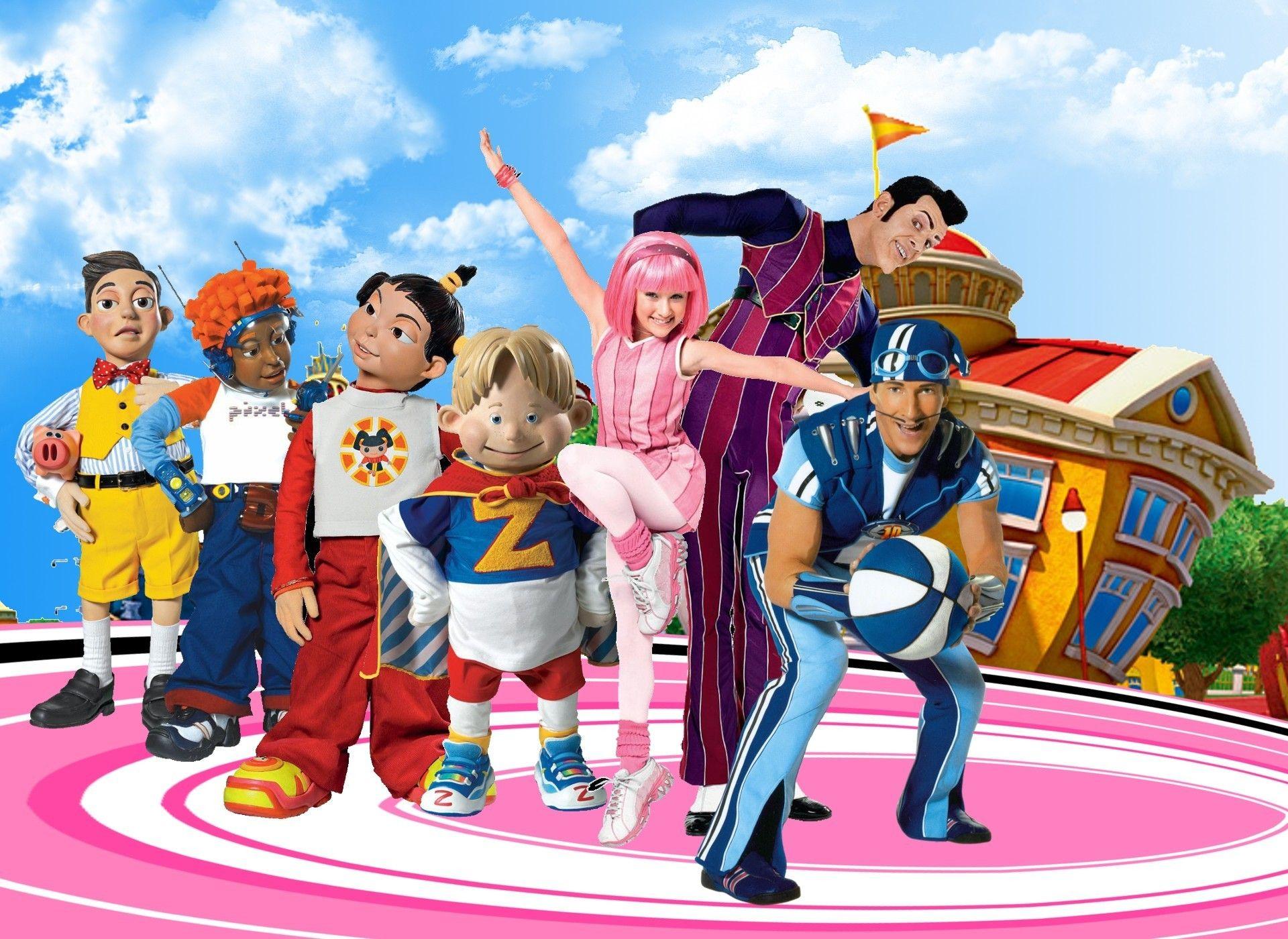
- Live-Action Actors: Human characters such as Sportacus, Stephanie, and Robbie Rotten performed physical stunts, acrobatics, and choreographed musical numbers.
- Puppets: Supporting townsfolk such as Mayor Milford Meanswell, Bessie Busybody, Pixel, Stingy, and Trixie were brought to life by master puppeteers, utilizing techniques derived from Jim Henson's workshop.
- Digital Backgrounds: The physical set was surrounded by vast green screens, replacing traditional painted backdrops with vibrant, hyper-stylized computer-generated environments that gave the show a distinct storybook aesthetic.
Transition to International Markets and the Nick Jr. Era
Following its successful domestic run on Iceland's RÚV, LazyTown caught the attention of international broadcasters looking for engaging, high-quality preschool content. In the United States and various global territories, Nickelodeon acquired the broadcast rights, integrating the series into the Nick Jr. programming schedule starting in 2004.
The Nick Jr. platform provided an ideal home for the series. Known for educational and developmental programming such as Dora the Explorer and Blue's Clues, Nick Jr. positioned LazyTown as a movement-based educational show. Interstitial segments often featured short, standalone physical challenges where children at home were encouraged to jump, stretch, and dance along with Sportacus.
Broadcast Timeline and Key Milestones
| Milestone / Event | Year / Period | Operational Significance |
|---|---|---|
| Original Book Publication | 1995 | Established the core characters and health-conscious premise in Iceland. |
| Icelandic Television Premiere | 2004 | Debuted on RÚV as the most expensive children's television show produced at the time. |
| Nick Jr. United States Debut | 2004 – 2006 | Introduced the series to American audiences, driving massive toy and merchandise sales. |
| Turner Broadcasting Acquisition | 2011 | Turner Broadcasting System Europe acquired LazyTown Entertainment, producing a third and fourth season. |
Character Dynamics and Pedagogical Framework
The success of LazyTown on Nick Jr. relied heavily on its distinct character archetypes, which served clear narrative and behavioral purposes. Every episode followed a predictable yet engaging narrative arc: Robbie Rotten attempts to make the town lazy or foil Sportacus, the kids encounter a problem related to inactivity or poor nutrition, and Sportacus guides them toward an active solution.
Core Character Breakdown
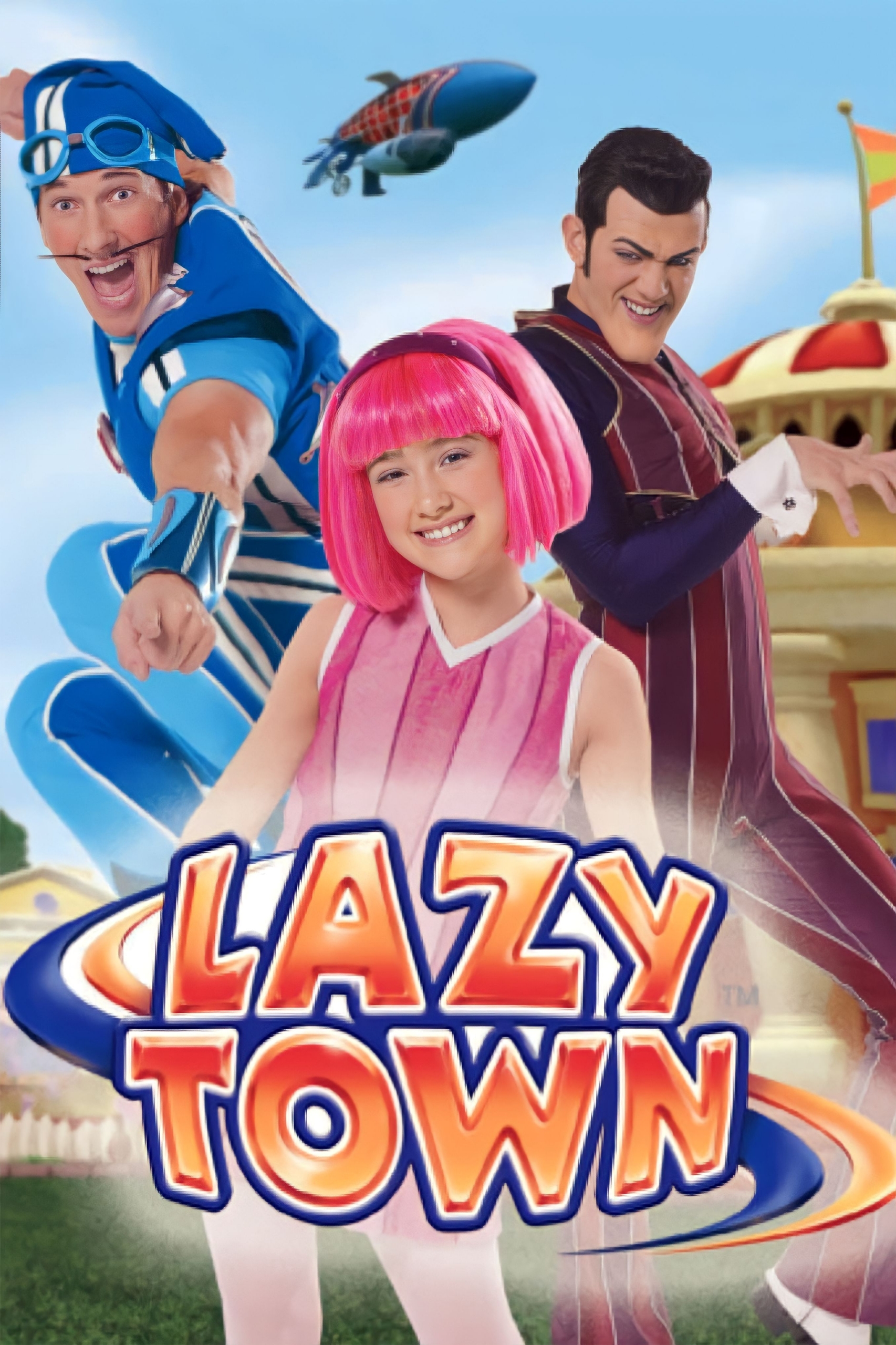
- Sportacus: Portrayed and voiced by Magnús Scheving, he is an athletic superhero who eats "sports candy" (apples and vegetables) and performs extreme acrobatics. He sleeps in an airship and suffers from "sugar meltdowns" when he consumes unhealthy foods.
- Stephanie: Recognizable by her bright pink hair and clothes, she arrives in LazyTown to visit her uncle, the mayor, and encourages the other children to play outside, dance, and sing.
- Robbie Rotten: Played masterfully by Stefán Karl Stefánsson, Robbie is the comedic antagonist who lives underground and plots to restore laziness to the town. Despite his villainous roles, his theatrical musical numbers and elaborate disguises made him a fan favorite.
- The Townsfolk (Puppets): Pixel (obsessed with technology), Stingy (possessive of his belongings), Trixie (playful and mischievous), and Ziggy (addicted to candy) represented relatable childhood flaws that were gently corrected through community collaboration and physical activity.
Educational Impact on Preschoolers Research into children's media effects during the 2000s highlighted LazyTown as a positive outlier in combating sedentary habits. By pairing high-energy music with visual cues that mirrored physical activity, the show demonstrated measurable success in inspiring spontaneous movement among viewers aged 2 to 7.
Production Challenges and Scale
Producing LazyTown required a massive financial and technical commitment. At its peak, it was recognized as one of the most expensive children's television series per episode in the industry. The combination of physical stunt work, complex puppet mechanics, and heavy post-production CGI work demanded a specialized crew.
Magnús Scheving insisted that Sportacus perform his own stunts, requiring rigorous athletic training and safety protocols on set. Furthermore, because the cast included both Icelandic actors and international puppeteers, many scenes required multi-lingual coordination and extensive dubbing. The English-language voice cast recorded in London and New York brought the characters to life for Nick Jr., matching the precise lip movements and energetic tone of the original Icelandic production.
Comparing LazyTown to Contemporary Nick Jr. Programming
During its peak on Nick Jr., LazyTown occupied a unique niche. While most preschool shows focused on cognitive development, language acquisition, or social-emotional learning (such as sharing and emotional regulation), LazyTown prioritized physical health, kinesthetic learning, and environmental awareness.
| Show Feature | LazyTown | Traditional Nick Jr. Preschool Shows |
|---|---|---|
| Primary Focus | Physical activity, nutrition, and movement | Cognitive skills, problem-solving, and basic language |
| Medium | Mixed-media (Live-action, puppetry, CGI) | Typically 2D animation, 3D CGI, or live-action host |
| Pering Demographic | Preschool to early elementary (Ages 3–8) | Toddler to preschool (Ages 2–5) |
| Physical Engagement | High-energy active participation required from viewers | Passive or interactive verbal responses (answering questions) |
Legacy and Cultural Resurgence in the Digital Age
Although production on new episodes concluded following the fourth season in 2014, LazyTown experienced a massive cultural resurgence in the late 2010s and 2020s through digital streaming platforms, YouTube, and meme culture. Songs such as "You Are a Pirate" and "We Are Number One"—performed by Stefán Karl Stefánsson—became viral internet phenomena. The latter gained additional emotional weight as global fans rallied around Stefánsson during his public battle with cancer, demonstrating the deep affection viewers held for the cast and the positive energy of the show.
On streaming platforms and video-on-demand services affiliated with Nickelodeon and Paramount+, episodes of LazyTown continue to introduce new generations of children to the importance of eating vegetables, playing outside, and staying active. The show's vibrant color palette, timeless physical comedy, and catchy musical catalog ensure its status as a high-water mark of 2000s children's television.
Frequently Asked Questions
What network originally aired LazyTown in the United States?
LazyTown was broadcast in the United States primarily on the Nick Jr. cable television block and Nickelodeon channel starting in 2004. It became a staple of the network's morning lineup, pairing physical education themes with traditional preschool storytelling.
Who created LazyTown?
The series was created by Magnús Scheving, an Icelandic entrepreneur, writer, and former European aerobics champion. Scheving also starred in the television series as the athletic superhero Sportacus.
Is LazyTown entirely live-action?
No, LazyTown utilizes a hybrid production style that combines live-action human actors, physical puppetry for the supporting town residents, and vibrant computer-generated background environments created through advanced green-screen technology.
Where was LazyTown filmed?
The series was filmed in a custom-built, state-of-the-art high-definition television studio located in Garðabær, Iceland, featuring an international crew and a mix of local and foreign talent.
Why did LazyTown stop producing new episodes?
Production wrapped following the completion of the fourth season in 2014, after the property was acquired by Turner Broadcasting System Europe, which allowed the existing library to be distributed globally across multiple platforms.
Image Gallery