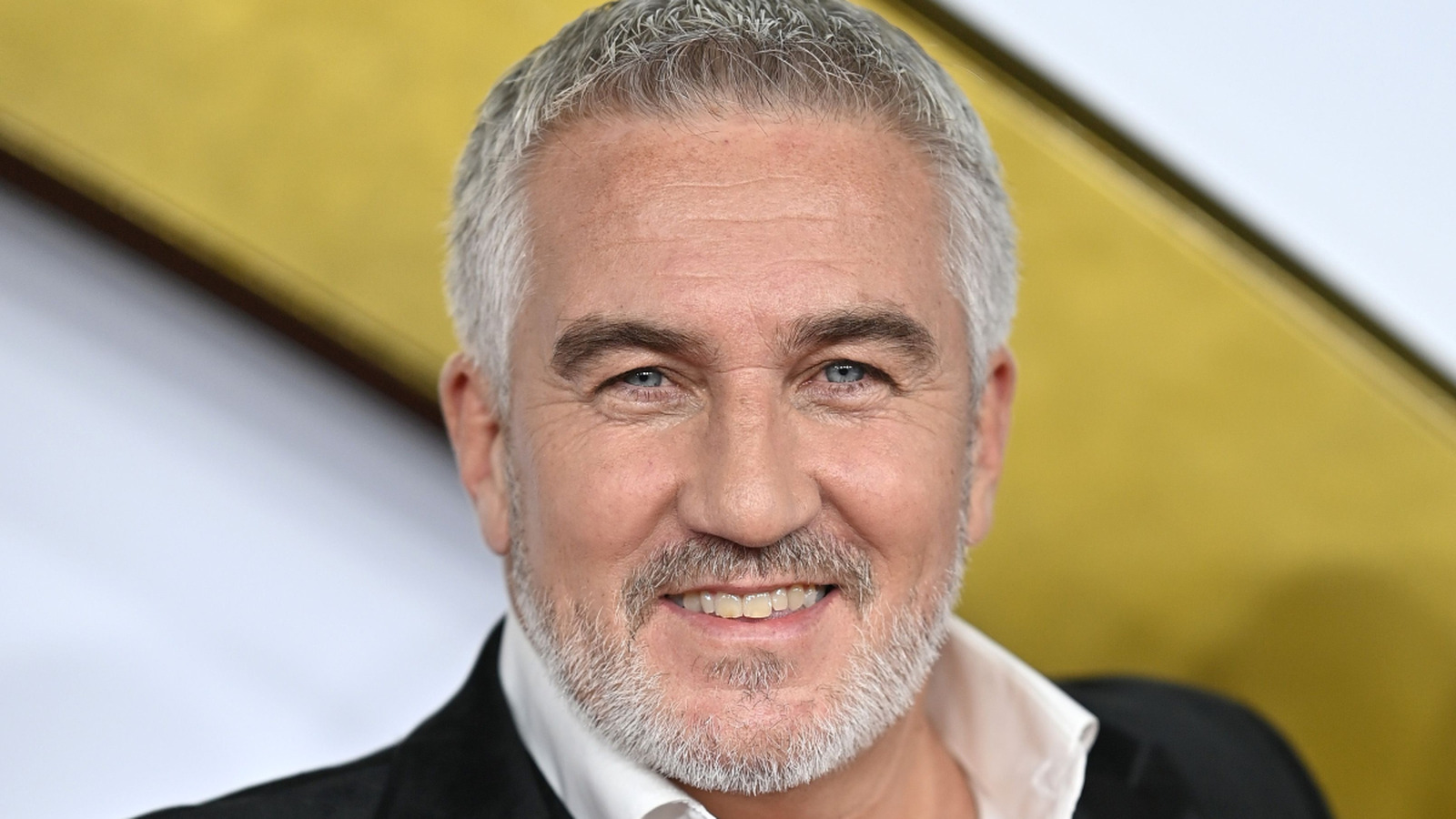
Paul Hollywood Young: Tracing the Early Life and Culinary Roots of the Master Baker
Long before earning global renown as the silver-haired, straight-talking judge on The Great British Baking Show, Paul Hollywood was an ambitious young apprentice working in his father's bakery in Wallasey, England. Born in 1966, his fo...
Long before earning global renown as the silver-haired, straight-talking judge on The Great British Baking Show, Paul Hollywood was an ambitious young apprentice working in his father's bakery in Wallasey, England. Born in 1966, his formative years were defined by grueling predawn shifts, traditional flour-dusted workbenches, and a rigorous British baking apprenticeship that forged his uncompromising technical standards.
Contents
The Early Beginnings: A Working-Class Baking Dynasty
Understanding the professional trajectory of Paul Hollywood requires examining the multi-generational baking heritage that shaped his youth. Born to John Hollywood, a successful bakery proprietor, and Gillian Hollywood, Paul grew up immersed in the sensory environment of commercial dough production, fermentation cycles, and confectionery artistry.
Unlike many modern television chefs who discover their passion later in life, Hollywood was exposed to the grueling realities of the trade before entering his teens. His father owned a chain of bakeries across Merseyside and the Wirral, meaning commercial kitchens served as his primary playground and classroom.
Key milestones of his early domestic environment included:
- The Family Enterprise: Experiencing firsthand the logistics of running multiple high-output neighborhood bakeries.
- Early Exposure: Learning the importance of precise scaling, ingredient ratios, and temperature control before the age of twelve.
- Work Ethic Inculcation: Witnessing the physical endurance required to maintain 24-hour baking operations.
The Sculptor Who Traded Clay for Dough
Before fully committing to the family trade, young Paul Hollywood exhibited a profound talent for the fine arts, specifically sculpture. Educated at the Mosslands School in Wallasey, he initially harbored ambitions of attending art school to pursue professional sculpting.
This artistic background proved foundational to his eventual career path. Baking, at its highest technical level, requires a deep understanding of three-dimensional form, structural integrity, and aesthetic balance. When Hollywood eventually abandoned his art school aspirations to enter the family business full-time, he transferred those spatial design principles directly into pastry work, bread scoring, and decorative sugarcraft.
The Artistic Intersection The transition from fine art sculpture to commercial baking was not a departure from his creative roots, but rather a pivot to a more tactile medium. The precision required to carve stone or mold clay directly translated to his mastery of laminated doughs, hand-shaped artisan loaves, and intricate showpiece pastries.
The Rigorous Apprenticeship at The Wallasey School of Art and Dad’s Bakery
At the age of sixteen, Hollywood officially entered the baking industry by enrolling in a bakery science program at the Wallasey School of Art while simultaneously undertaking a traditional apprenticeship under his father's strict supervision.
This dual-track education combined theoretical food science with brutal, hands-on industrial execution. In the 1980s, commercial baking lacked the advanced automation found in modern facilities. Young bakers relied heavily on sensory evaluation—testing dough hydration by touch, reading ambient room temperature changes without digital hygrometers, and monitoring oven decks manually.
| Training Phase | Focus Area | Technical Objective |
|---|---|---|
| Phase 1: Foundation | Ingredients & Scaling | Mastering baker's percentages, flour protein content, and yeast viability. |
| Phase 2: Fermentation | Bulk Fermentation & Proofing | Controlling time and temperature to develop complex flavor profiles in artisan breads. |
| Phase 3: Production | High-Volume Output | Executing hundreds of standard British loaves, rolls, and viennoiserie before dawn. |
| Phase 4: Confectionery | Pastry & Decoration | Developing fine motor skills for piping, sugar work, and viennoiserie lamination. |
Escaping the Family Shadow: Venturing to Head Baker Roles
To truly master his craft, a young artisan must step outside the comfort of a family-run enterprise. In his twenties, Hollywood made the pivotal decision to leave his father's bakeries and test his mettle in high-end hospitality venues.
He secured positions as head baker at a series of prestigious establishments, including the Dorchester, the Cliveden House, and the Chester Grosvenor Hotel. Working in elite five-star hotel kitchens exposed him to international clientele, European baking traditions, and the ultra-refined standards demanded by luxury dining rooms. This era marked his transition from a competent industrial baker to a sophisticated culinary technician capable of designing bespoke bread programs for Michelin-starred chefs.
International Expansion: Baking in Cyprus and the Middle East
Seeking broader horizons during the 1990s, Hollywood relocated to Cyprus, where he oversaw baking operations at several luxury resorts, including the Annabelle Hotel in Paphos.
This Mediterranean interlude profoundly influenced his baking philosophy. Working with local grains, climate variations, and regional flavor profiles forced him to adapt classic British techniques to entirely new environments. It was also during this period that he began refining his signature approach to ciabatta, focaccia, and other Mediterranean flatbreads, combining British structural precision with southern European hydration techniques.
Transition to Media: How the Young Baker Became a Broadcaster
The culmination of Hollywood's technical background and international experience naturally positioned him for television. Long before The Great British Baking Show launched in 2010, his authoritative, no-nonsense demeanor and deep technical literacy caught the eye of television producers.
His early television appearances—such as co-hosting The Great British Food Revival and fronting Paul Hollywood's Bread—were direct reflections of the lessons learned during his youth. When he demanded a "good crust" or a proper "oven spring," he was voicing the exact standards hammered into him by his father on the dusty flour floors of Merseyside decades prior.
Comparative Overview: Traditional British Baking vs. Modern Techniques
The baking landscape navigated by a young Paul Hollywood in the late 20th century differs markedly from contemporary commercial baking. The table below outlines the core operational and technical shifts.
| Parameter | 1980s Traditional Baking (Hollywood's Youth) | Modern 2026 Baking Industry |
|---|---|---|
| Dough Hydration Control | Manual sensory assessment by touch and feel. | Digital moisture analyzers and precise hydro-coolers. |
| Fermentation Management | Ambient room temperature and basic proofing boxes. | Programmable retarder-proovers with exact humidity control. |
| Oven Technology | Traditional deck ovens with steam injection valves. | Multi-tier computerized rotary rack ovens and stone-hearth decks. |
| Ingredient Sourcing | Local flour mills and standard commodity fats. | Global stone-milled ancient grains and specialized specialty fats. |
Common Misconceptions Regarding Paul Hollywood's Early Career
Several myths persist regarding the television judge's rise to prominence. Addressing these clarifies the reality of professional culinary training:
- Myth: He stumbled into baking purely by chance as an adult.
- Fact: Hollywood is a third-generation baker who trained intensively from his early teens through a formal apprenticeship.
- Myth: His career began in television.
- Fact: He spent over two decades working as a head baker and executive pastry chef in elite hotels before stepping in front of a camera.
- Myth: He only knows how to make bread.
- Fact: While bread is his specialty, his foundational training encompasses exhaustive pastry, confectionery, and sugarwork.
Practical Lessons from the Early Years of a Master Baker
For aspiring bakers and culinary students, the early career of Paul Hollywood offers several actionable takeaways:
- Master the Fundamentals First: Before attempting avant-garde creations, master standard flour, water, yeast, and salt ratios.
- Embrace Physical Labor: True baking competence requires developing muscle memory through repetitive, hands-on dough manipulation.
- Seek Diverse Environments: Working across different regional bakeries and luxury hotels exposes one to variables that build true adaptability.
- Respect the Science: Baking is applied chemistry; ignoring temperature and hydration parameters invariably leads to structural failure.
Frequently Asked Questions
When was Paul Hollywood born and where did he grow up?
Paul Hollywood was born on March 1, 1966, in Wallasey, Cheshire, England. He grew up immersed in the Wirral and Merseyside regions where his family operated commercial bakeries.
Did Paul Hollywood always want to be a baker?
No, his initial ambition was to become a sculptor. He studied fine art at the Mosslands School and the Wallasey School of Art before entering the family baking business at age sixteen.
What was Paul Hollywood's first professional baking role?
His formal entry into the industry was an apprenticeship under his father, John Hollywood, combined with technical training at the Wallasey School of Art.
Which luxury hotels did Paul Hollywood work at as a head baker?
He served as head baker at several prestigious British establishments, including the Dorchester, Cliveden House, and the Chester Grosvenor Hotel, before moving to Cyprus.
How did his early life influence his judging style on television?
His formative years working grueling shifts in high-output industrial bakeries instilled in him a strict adherence to technical precision, structure, and structural integrity, which defines his critique style today.
Conclusion
The journey of Paul Hollywood from a young art student and reluctant apprentice in a Merseyside bakery to one of the world's most recognizable baking authorities underscores the value of rigorous technical training. By mastering the fundamentals of dough science, embracing physical labor, and expanding his expertise across international luxury kitchens, he built an unshakeable foundation. For those looking to understand the man behind the television persona, examining his early years reveals a dedicated craftsman forged in the intense, flour-dusted reality of traditional British baking.
Image Gallery