Why You Need a Hard Carry-On Luggage for Modern Travel in 2026
Hard carry-on luggage is essential for modern travelers because it provides a rigid, protective shield for high-value electronics and fragile items while ensuring consistent dimensions that comply with strict airline sizer requirements...
Hard carry-on luggage is essential for modern travelers because it provides a rigid, protective shield for high-value electronics and fragile items while ensuring consistent dimensions that comply with strict airline sizer requirements. Unlike soft-sided bags, hard shells offer superior water resistance, enhanced security through integrated locking mechanisms, and a streamlined aesthetic that remains easy to clean.
Contents
The Evolution of the Hard Shell: Why Protection Comes First
As we move through 2026, the nature of what we carry has changed. Travelers are no longer just packing clothes; they are transporting "mobile offices" consisting of high-end laptops, tablets, specialized camera gear, and delicate personal electronics. The primary reason you need a hard carry-on luggage today is the structural integrity it provides against the physical stresses of transit.
In the overhead bin of a crowded aircraft, luggage is subjected to significant compression. Soft-sided bags, constructed from nylon or polyester, are designed to be flexible. While this flexibility allows you to overpack, it also means that any external pressure is transferred directly to the contents of the bag. A hard-sided carry-on acts as a crush-proof exoskeleton. Whether your bag is at the bottom of a stack in a gate-check situation or being squeezed by a heavy leather duffel in the overhead compartment, the rigid perimeter maintains its shape, preventing screens from cracking and sensitive components from bending.
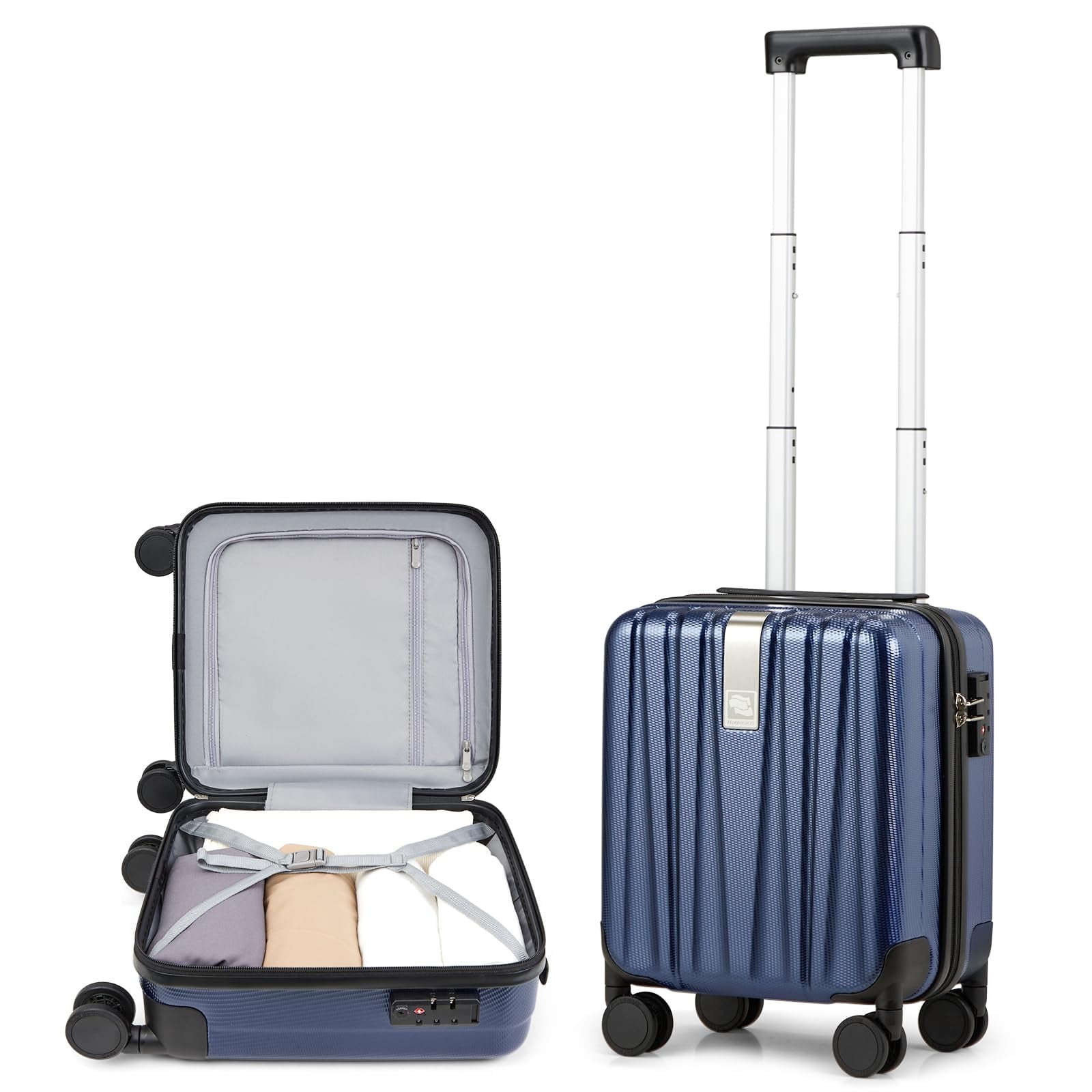
Furthermore, the "clamshell" opening mechanism typical of hard luggage provides a structured environment for your belongings. When you open a hard carry-on, it splits into two equal halves. This allows for more organized packing where heavy items can be secured at the bottom of both sides, preventing the "shifting load" issue that often plagues top-loading soft bags.
Material Science: Choosing the Right Shield
Not all hard-sided luggage is created equal. Understanding the materials used in construction is vital for determining the level of protection and durability you require. In 2026, three primary materials dominate the market, each offering a different balance of weight, cost, and resilience.
Polycarbonate: The Industry Standard
Polycarbonate is widely considered the premium choice for most travelers. It is a high-impact resistant thermoplastic that is both lightweight and incredibly durable. The defining characteristic of polycarbonate is its ability to flex. When subjected to a heavy blow or dropped from a height, a polycarbonate shell will "give" slightly and then pop back into its original shape. This prevents the shell from cracking under pressure, making it ideal for frequent flyers who need a bag that can survive the rigors of international travel.
ABS (Acrylonitrile Butadiene Styrene)
ABS is the most common material found in budget-friendly hard luggage. It is lighter than polycarbonate but significantly more brittle. Because ABS does not have the same "flex" properties, it is more prone to cracking if handled roughly. However, many manufacturers now use an ABS/Polycarbonate composite, which blends the affordability of ABS with the strength of polycarbonate, creating a middle-ground option for the occasional traveler.
Aluminum: The Ultimate Fortress
For those prioritizing security and maximum protection, aluminum remains the gold standard. While heavier and more expensive than plastics, aluminum carry-ons offer unparalleled structural rigidity. They do not use zippers—which are the weakest point of any bag—instead utilizing heavy-duty latches and reinforced frames. Aluminum does not crack; it dents, which many long-term travelers view as a "patina" of their journeys.
Enhanced Security and Theft Deterrence
Security is a major concern in 2026, especially as personal data and high-value hardware are frequently targeted in transit hubs. Hard carry-on luggage offers several security advantages over its soft-sided counterparts.
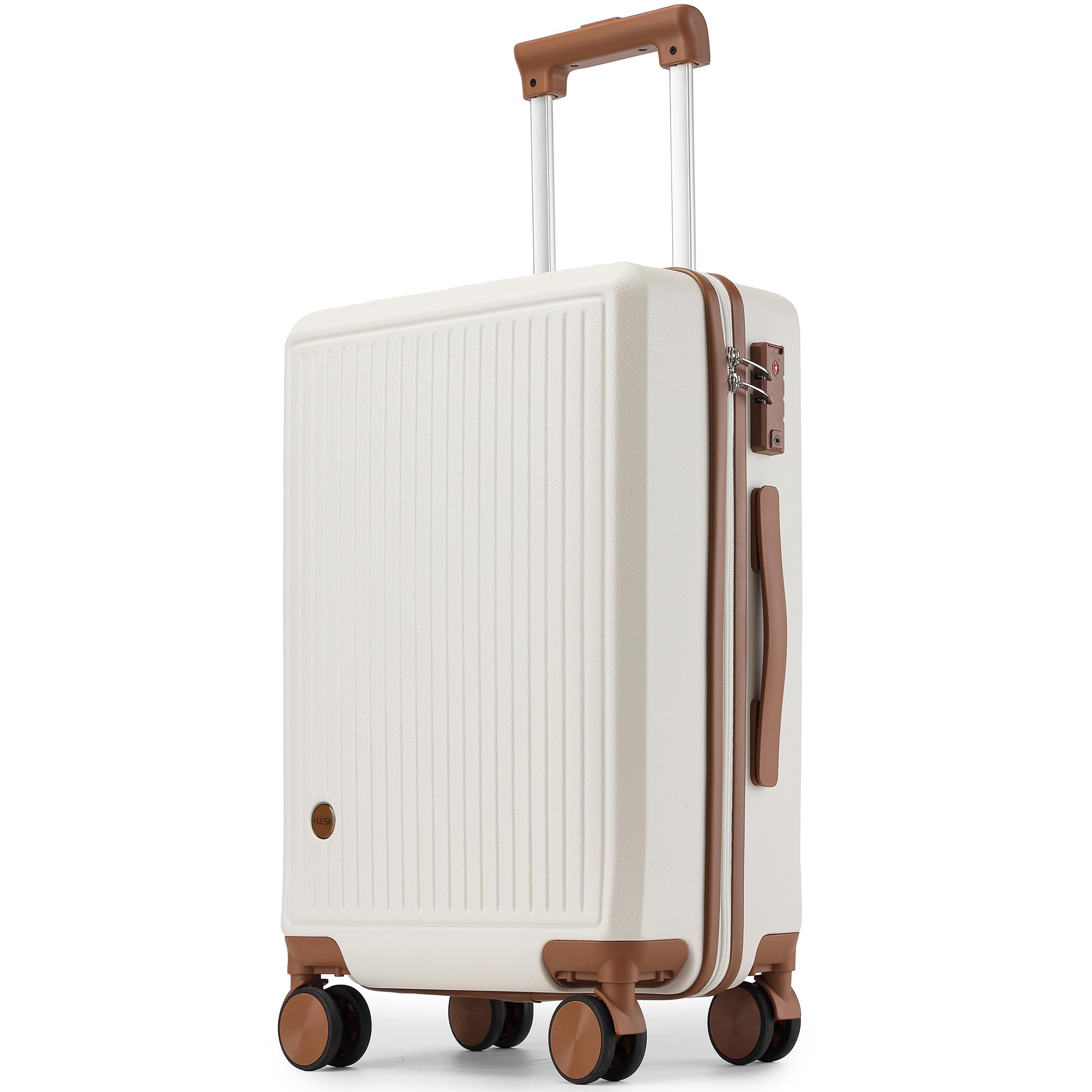
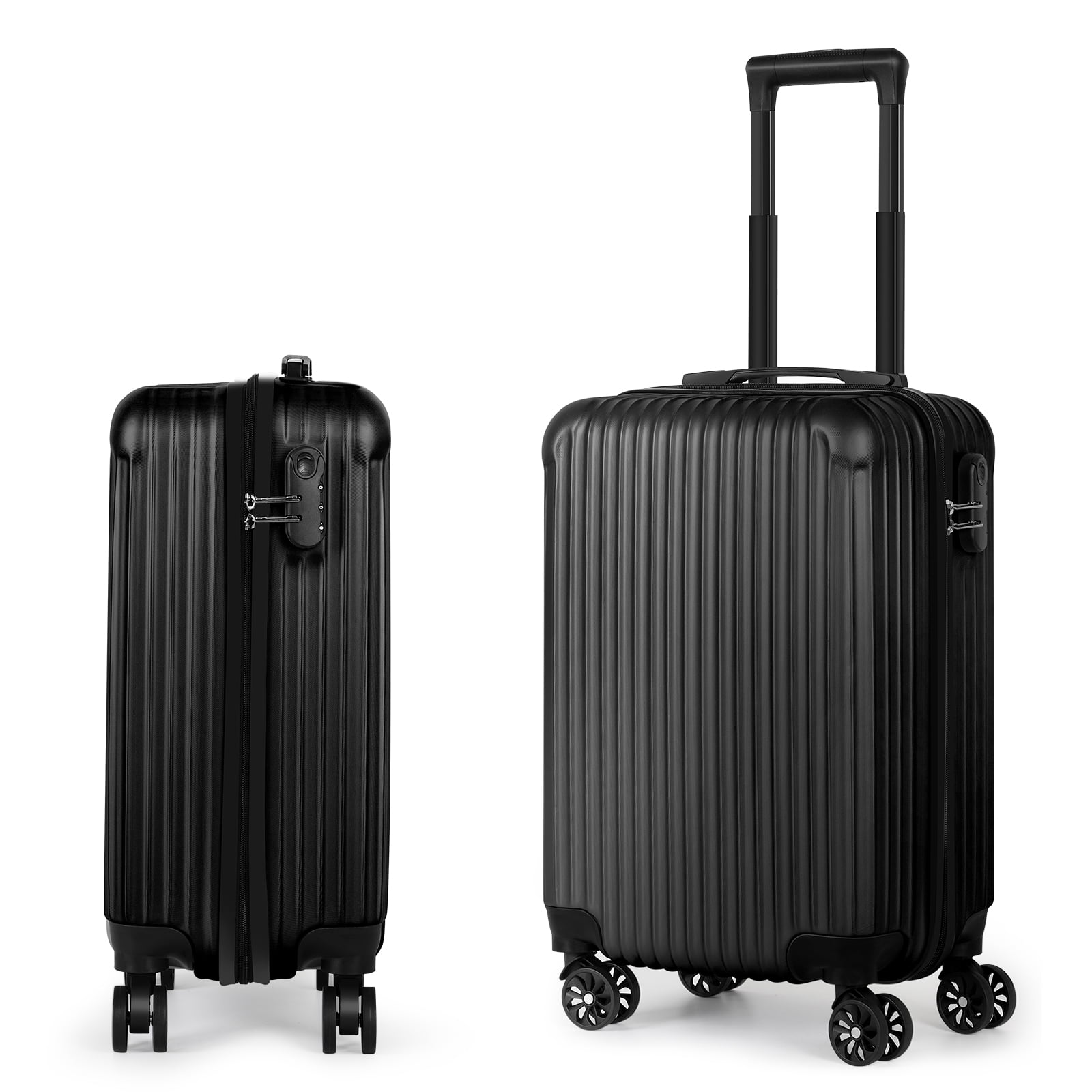
- Integrated TSA-Approved Locks: Most high-quality hard-sided bags feature built-in combination locks that secure the zipper pulls directly into the frame. This is significantly more secure than using a separate padlock, which can be easily snipped with basic tools.
- Zipper Protection: In soft-sided luggage, the zippers are often exposed and vulnerable. A common theft technique involves using a ballpoint pen to puncture a zipper track, sliding it open, and then re-sealing it by moving the pulls back over the gap. Hard-sided luggage often uses "burst-resistant" double-coil zippers or, in the case of aluminum bags, eliminates zippers entirely in favor of frame-based latch systems.
- Slash-Proof Exterior: While high-denier nylon is tough, it can still be cut with a sharp knife. A hard shell is virtually impossible to "slash and grab," providing a psychological and physical deterrent to opportunistic thieves in crowded train stations or airport terminals.
Dimensional Stability and Airline Compliance
One of the most frustrating experiences for a traveler is being forced to gate-check a bag because it doesn't fit in the airline's sizer, even though the dimensions listed on the tag are technically correct. This usually happens with soft-sided luggage because the fabric bulges when overpacked.
Hard carry-on luggage provides dimensional stability. Because the shell is rigid, the bag cannot exceed its physical footprint. If you purchase a bag that is 22 x 14 x 9 inches, it will remain 22 x 14 x 9 inches regardless of how much you cram inside (assuming you can get it closed). This predictability is essential for navigating the strict enforcement policies of budget carriers and international airlines.
Furthermore, the smooth exterior of a hard-sided bag allows it to slide into overhead bins more easily. There are no external pockets, straps, or fabric folds to snag on the bin’s edge or other passengers’ luggage. This efficiency is critical during the high-pressure boarding process where every second counts.
Comparison of Luggage Types
| Feature | Hard-Sided (Polycarbonate) | Soft-Sided (Nylon/Polyester) | Aluminum |
|---|---|---|---|
| Impact Protection | High (Shell flexes) | Low (Contents absorb shock) | Maximum (Rigid frame) |
| Water Resistance | Excellent | Moderate to Low | Waterproof (with gaskets) |
| Security | High (Integrated locks) | Moderate (Vulnerable zippers) | Maximum (Latch systems) |
| Weight | Moderate | Lightest | Heaviest |
| Organization | Clamshell (50/50 split) | Top-loading (Deep main bin) | Clamshell |
| Cleaning | Easy (Wipe down) | Difficult (Stain removal) | Easy (Wipe down) |
| Longevity | 5–10 Years | 3–7 Years | 15+ Years |
Environmental Resistance and Hygiene
In the post-pandemic travel landscape of 2026, hygiene and ease of maintenance have become top priorities. Soft-sided luggage is made of porous fabrics that can absorb liquids, odors, and allergens. If a bottle of shampoo leaks inside a fabric bag, or if the bag is placed on a damp sidewalk, the moisture can seep into the fibers, leading to mold or persistent smells.
Hard-sided luggage is inherently non-porous. Spills can be wiped away with a damp cloth or a disinfecting wipe. This ease of cleaning also applies to the exterior. Throughout a journey, a bag touches floor surfaces in bathrooms, public transit, and dusty cargo holds. A hard shell allows you to sanitize your luggage before bringing it into your home or hotel room, a process that is much more difficult and less effective with fabric bags.
Weather resistance is another key factor. While few bags are 100% waterproof, a hard shell provides a natural barrier against rain and snow. In a soft bag, moisture can eventually soak through the fabric and dampen your clothes. Hard-sided cases generally feature a gasket or an overlapping lip where the two halves meet, providing superior protection against the elements during long walks to a rental car or transfers between terminals.
Common Misconceptions About Hard Luggage
Many travelers avoid hard-sided carry-ons based on outdated information. It is important to address these misconceptions to understand the current value proposition.
"Hard luggage is too heavy." While this was true 20 years ago, advancements in material science have significantly reduced the weight of polycarbonate and magnesium alloys. Modern polycarbonate carry-ons often weigh between 6 and 8 pounds, which is competitive with high-end ballistic nylon bags.
"It will scratch and look ugly." While smooth, high-gloss finishes will show scratches, most modern manufacturers use "micro-diamond" or textured finishes that hide scuffs exceptionally well. Furthermore, for many travelers, the marks on a hard shell are seen as a badge of honor, representing the miles traveled.
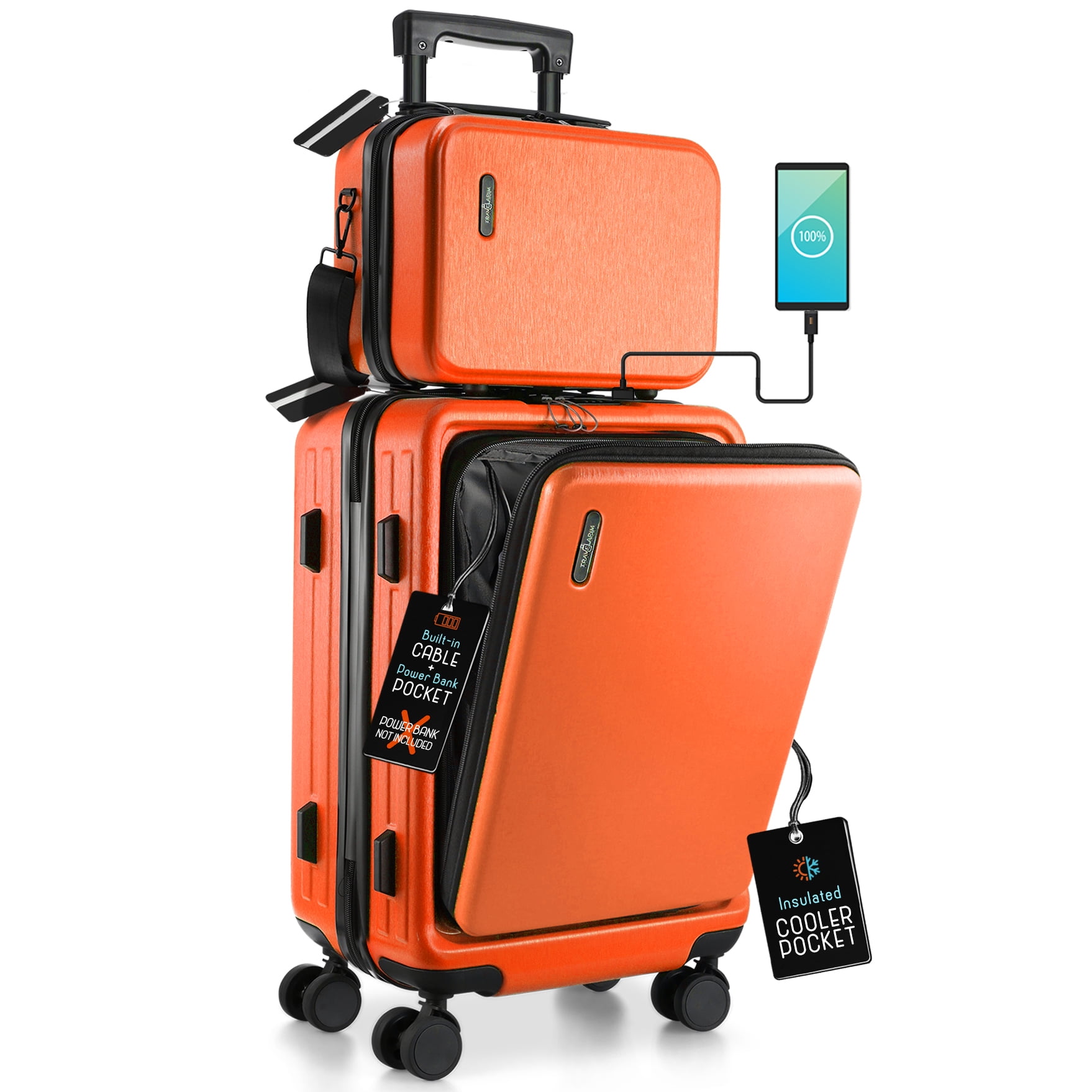
"There are no outside pockets." This was a valid criticism for a long time. However, the 2026 market is filled with "hybrid" or "front-pocket" hard carry-ons. These models feature a hinged door on the front of the hard shell, allowing for quick access to a laptop or travel documents without opening the entire bag. This combines the protection of a hard shell with the convenience of a soft bag.
Frequently Asked Questions
Does hard luggage crack in cold weather?
High-quality polycarbonate is designed to withstand a wide range of temperatures, from the heat of a tarmac in summer to the sub-zero temperatures of a plane's unheated cargo hold. Cheap ABS plastic is more susceptible to becoming brittle and cracking in extreme cold, but premium materials are tested to maintain their integrity in these conditions.
Can I still overpack a hard-sided carry-on?
Hard-sided bags are less forgiving than soft ones. While many hard shells feature an expansion joint (a fabric zipper gusset that adds 1–2 inches of depth), you cannot "stretch" the shell itself. This encourages more disciplined packing, which often results in a lighter, more manageable bag.
Are spinner wheels better than two wheels on hard luggage?
Almost all hard-sided carry-ons use four spinner wheels. This allows the bag to be rolled upright, which takes the weight off your arm and shoulder. In narrow airplane aisles, you can turn the bag sideways and wheel it in front of you, a maneuver that is much more difficult with a two-wheeled "rollaboard."
How do I remove scuff marks from my hard shell luggage?
Most scuffs are actually "transfers" of material from other surfaces. These can usually be removed using a melamine foam sponge (such as a Magic Eraser) and a little bit of water. For deeper scratches, there is no permanent fix, but they do not affect the structural integrity of the bag.
Is aluminum luggage worth the extra cost?
Aluminum is an investment. If you travel 40+ weeks a year and carry extremely sensitive equipment, the durability and security of aluminum are worth the price. For the average vacationer or monthly business traveler, a high-quality polycarbonate shell offers the best balance of price, weight, and protection.
Final Recommendation
When selecting your next travel companion, prioritize a polycarbonate hard-sided carry-on with a textured finish and a TSA-integrated lock. This combination offers the most versatile protection for 2026 travel standards. If you frequently need to access your laptop at security checkpoints, look specifically for models with a dedicated front-access compartment. By choosing a hard shell, you are not just buying a bag; you are investing in the safety of your electronics and the peace of mind that comes with knowing your luggage will meet airline requirements every time you fly.
Image Gallery