Impact of Traumatic Brain Injury on Male Personality in the 18th Century
In the 1700s, traumatic brain injuries (TBI) in men frequently resulted in profound, permanent personality shifts that historical medical texts characterized as "melancholy," "mania," or "depravity." Without modern neuroimaging, 18th-c...
In the 1700s, traumatic brain injuries (TBI) in men frequently resulted in profound, permanent personality shifts that historical medical texts characterized as "melancholy," "mania," or "depravity." Without modern neuroimaging, 18th-century surgeons observed how physical trauma fundamentally altered a man’s moral character, cognitive consistency, and social behavior, often leading to total legal incapacity.
Contents
The 18th-Century Medical Landscape: From Humors to Solids
To understand how personality changes were perceived in the 1700s, one must first understand the era’s medical transition. At the start of the century, the Galenic theory of "humors" still lingered, suggesting that personality was a balance of blood, phlegm, black bile, and yellow bile. However, the Enlightenment brought a shift toward "solidism" and "nerve theory."
Surgeons and physicians, such as Hermann Boerhaave and later William Cullen, began to view the brain as the central engine of the "animal spirits" or "nervous fluid." When a man suffered a blow to the head—whether from a falling timber, a horse’s kick, or a musket ball—it was believed that these delicate fibers were disordered. Personality changes were not seen as psychological "disorders" in the modern sense but as mechanical failures of the brain’s architecture.
By 2026, our historical analysis confirms that 18th-century practitioners were surprisingly observant of the "frontal lobe syndrome" symptoms, even if they lacked the terminology. They noted that men who were previously industrious became "indolent," and those who were "pious" became "profane." These observations laid the groundwork for the eventual understanding of localized brain function.
Identifying Male Personality Changes in Historical Records
In the 1700s, the "personality" of a man was closely tied to his "reason" and his "honor." A traumatic brain injury that altered these traits was often documented in surgical journals and court records. The changes typically fell into three categories:
1. Increased Aggression and Irritability
Historical case files from hospitals like Bethlem (Bedlam) or the Hôtel-Dieu in Paris describe men who, following a skull fracture, developed a "choleric" disposition. These men would fly into rages over minor slights. In a society where male honor and self-control were paramount, this was viewed as a catastrophic loss of manhood.
2. Apathy and Cognitive "Dullness"
Conversely, many accounts describe a "softening of the brain." A man might survive a significant injury only to lose his "viva city" (liveliness). These individuals often became passive, unable to manage their estates or engage in trade. To 18th-century observers, this was a form of "living death," as the victim retained his physical form but lost the "spirit" that defined his social identity.
3. Moral and Religious Volatility
One of the most distressing changes reported by 18th-century families was the shift in moral behavior. Men who had been upright citizens might suddenly engage in "lewdness," "profligacy," or "blasphemy." Because the brain was seen as the seat of the soul by many Enlightenment thinkers, a change in personality following an injury sparked intense theological debates about whether the soul itself could be "dented" by a physical blow.
Common Causes of Male Head Trauma in the 1700s
Male TBI in the 18th century was predominantly a result of the era's violent labor and warfare. While women certainly suffered head injuries, the records focus heavily on men due to their roles in high-risk environments.
- Warfare: The 1700s were defined by constant conflict, including the Seven Years' War and the American Revolutionary War. Injuries from flintlock musket balls, saber slashes, and falls from horses were rampant. High-velocity projectiles often caused "commotion" (concussion) even without a direct hit, due to the concussive force of near-miss artillery.
- Maritime Labor: Sailors in the merchant marine and Royal Navy faced constant threats from swinging booms, falling rigging, and unstable decks. A blow to the head at sea was often treated with nothing more than rest, leading to long-term personality shifts documented in naval surgeons' logs.
- Urbanization and Construction: As cities like London and Philadelphia expanded, construction accidents involving heavy masonry and unstable scaffolding became common. These injuries were frequently documented by surgeons like Percivall Pott, who specialized in skull fractures.
Surgical Intervention: The Role of Trepanation
The primary medical response to a suspected brain injury in the 1700s was trepanation—the practice of drilling a hole into the skull. This was not a primitive ritual but a sophisticated (for the time) surgical attempt to relieve "extravasated blood" (hematoma) or "materia peccans" (morbid matter) that was believed to be pressing on the brain and altering the patient’s mind.
Surgeons like Jean-Louis Petit in France developed specialized kits including the trephine, elevators to lift depressed bone, and lenticulars to smooth the edges of the skull. Petit was one of the first to distinguish between "concussion" (the shaking of the brain) and "contusion" (the bruising of the brain tissue). He noted that even if the bone remained intact, the "commotion" could cause a man to lose his senses or change his temper permanently.
The success of these surgeries was mixed. If the patient survived the risk of infection (meningitis was a frequent killer), their "personality" might stabilize if the pressure was relieved. However, the lack of anesthesia and sterile technique meant that the surgery itself often caused further trauma, potentially exacerbating the cognitive and behavioral shifts.
Legal and Social Ramifications of Personality Change
In the 1700s, a man’s legal standing was predicated on his "sanity" and "reason." If a brain injury changed his personality significantly, he could be declared non compos mentis (not of sound mind).
Inheritance and Property
If a head-injured patriarch became spendthrift or irrational, his family would often petition the courts for a "Commission of Lunacy." This was a legal process to strip the man of his right to manage his property. Historical records show that the "sudden change in temper" following a fall or blow was used as primary evidence in these hearings.
The "Wild Beast Test"
In criminal law, the 1724 case of Rex v. Arnold established the "Wild Beast Test." It argued that a man could not be held responsible for a crime if his injury or "madness" left him with no more reason than a "brute or a wild beast." This was often the only defense for men who became uncontrollably violent following war-related TBIs.
Social Stigma
There was a heavy social cost. A man whose personality "failed" was often hidden away in private madhouses or relegated to the margins of his community. Unlike modern 2026 perspectives, which view TBI survivors as patients in need of rehab, the 18th-century view often conflated physical brain damage with moral failure or divine punishment.
Comparison: 18th-Century vs. Modern Understanding of TBI
The following table compares how personality changes after male head trauma were understood in the 1700s versus how they are evaluated in the current year, 2026.
| Feature | 18th-Century Perspective | Modern (2026) Clinical Perspective |
|---|---|---|
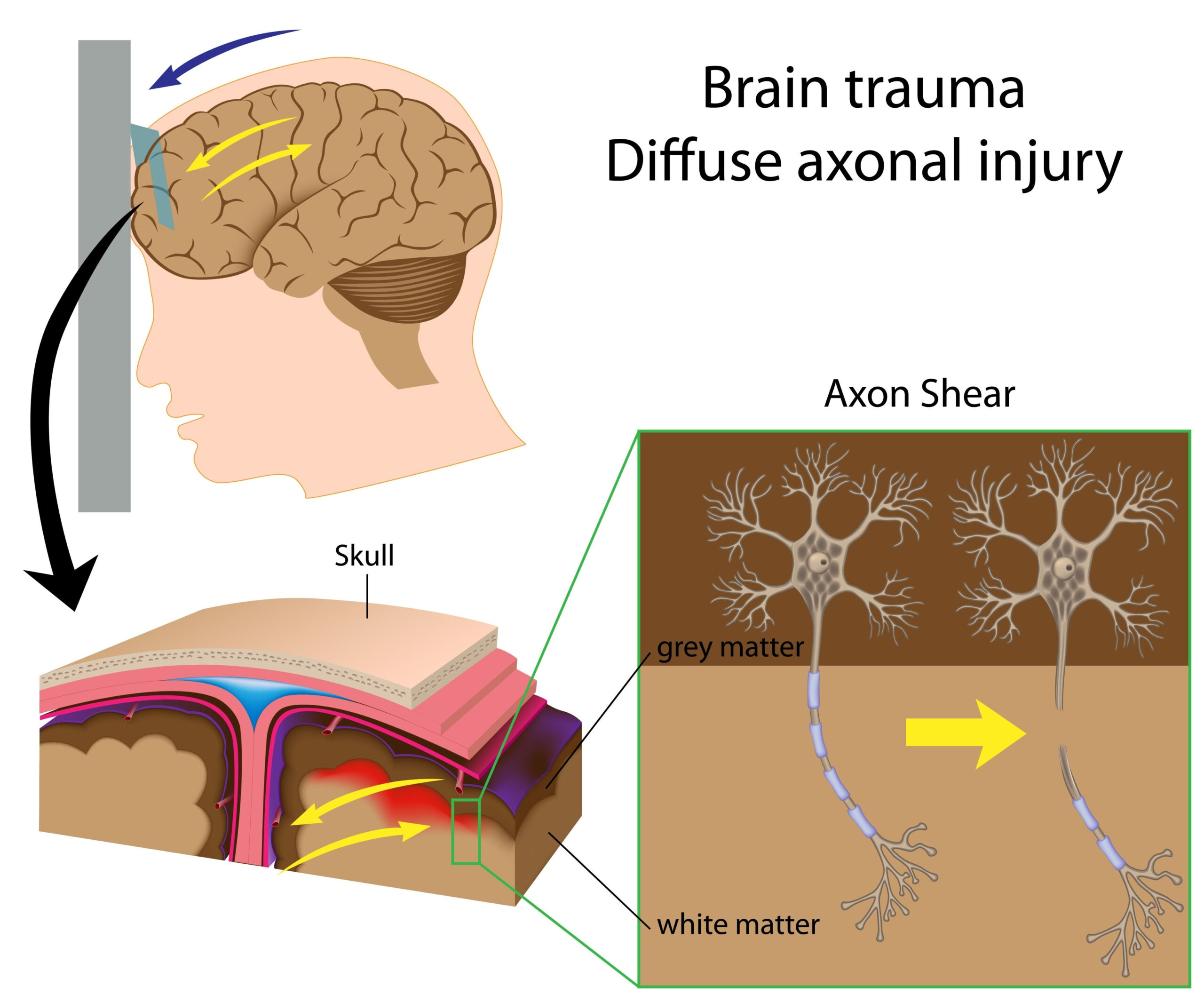
| Primary Theory | Humoral imbalance or "Animal Spirits." | Neurochemical disruption and axonal shearing. |
| Diagnostic Tool | External palpation and behavioral observation. | High-resolution MRI, CT scans, and biomarkers. |
| Common Terminology | "Softening of the brain," "Melancholy," "Mania." | Frontal Lobe Syndrome, TBI, PTSD. |
| Primary Treatment | Trepanation, bloodletting, and blistering. | Neuro-rehabilitation, pharmacological intervention. |
| Legal Status | Non compos mentis (Wild Beast Test). | Diminished capacity / Disability protections. |
| Social View | Moral failing or loss of the "soul." | Medical condition requiring chronic care. |
Why the 1700s Focused on Male Brain Injury
The historical focus on "male" brain injury wasn't just a matter of gender bias; it was a reflection of the economic and social structures of the time. A man’s brain was his "capital." If a laborer, a soldier, or a merchant lost his cognitive functions, the economic impact on the family and the state was immediate.
Furthermore, 18th-century medical literature often contrasted "male" brain injury with "female" hysteria. While women’s personality changes were often attributed to the uterus or "vapors," men’s changes were more likely to be attributed to the "hard" reality of physical trauma. This led to a more "surgical" approach to male head injuries, providing us with more detailed anatomical records of male brain trauma than of female cases from the same period.
Frequently Asked Questions
Did people in the 1700s know the brain controlled personality?
Yes, but in a limited capacity. Enlightenment thinkers like Thomas Willis had already begun mapping the brain's functions. By the mid-1700s, it was widely accepted among the educated and medical elite that the brain was the "seat of the soul" and the "throne of reason." Consequently, physical damage to the brain was understood to directly cause the "derangement" of a man's personality.
Could a man recover his original personality in the 1700s?
Recovery was rare for severe injuries. Without modern rehabilitation and neuroplasticity therapies, most men who suffered significant personality shifts remained "changed" for life. Some minor improvements were noted if "pressure" (hematoma) was successfully trepanned, but chronic behavioral issues usually persisted until death.
What was the survival rate for trepanation after a brain injury?
While often viewed as a death sentence, trepanation had a surprising survival rate in some clinics. Records from the Royal College of Surgeons suggest that if the patient did not succumb to immediate infection, they could live for decades with a "silver plate" covering the hole in their skull. However, the underlying personality changes often remained even if the surgical wound healed.
Were personality changes after head injury ever attributed to witchcraft in the 1700s?
By the 1700s, the "Age of Reason" was in full swing. In urban centers and among the medical community, brain injury was viewed as a physical "mechanic" problem. However, in rural or less-educated areas, a sudden shift in a man’s behavior from "kind" to "demonic" after an injury might still be whispered about in superstitious terms, though this was fading in favor of medical explanations.
How did the 1700s view of brain injury differ from the 1800s?
The 1700s focused on the "liquids" and "spirits" within the brain. It wasn't until the 1800s (specifically with cases like Phineas Gage in 1848) that science began to precisely map specific brain regions to specific personality traits, such as the prefrontal cortex’s role in impulse control. The 1700s were the "observation phase" that made the 1800s "mapping phase" possible.
Expert Recommendation for Historical Research
If you are researching male brain injury in the 1700s—whether for academic study or historical fiction—it is vital to consult original surgical treatises. Focus on the works of Percivall Pott (Observations on the Nature and Consequences of those Injuries to which the Head is Liable from External Violence, 1768) and Jean-Louis Petit. These texts provide the most accurate clinical descriptions of how 18th-century men were transformed by trauma. Additionally, examining the Wellcome Collection archives can provide insight into the social and domestic impact these "changed" men had on their families.
Image Gallery