When Does the Harry Potter TV Series Release Its First Season? Dates, Cast, and What to Expect
The first season of the Harry Potter TV series is officially scheduled for release on the Max streaming platform in late 2026. Following the 2023 announcement by Warner Bros. Discovery, the production has moved into active development,...
The first season of the Harry Potter TV series is officially scheduled for release on the Max streaming platform in late 2026. Following the 2023 announcement by Warner Bros. Discovery, the production has moved into active development, aiming for a faithful, book-by-book adaptation of J.K. Rowling’s iconic seven-volume series over a projected ten-year period.
Contents
The wizarding world is preparing for its most significant expansion since the original film franchise concluded. As of 2026, the transition from the big screen to a prestige television format is the cornerstone of Warner Bros. Discovery’s long-term content strategy. Fans who have spent years dissecting every chapter of the novels are now looking toward a version of the story that promises the depth and detail only a multi-episode season can provide. This guide explores the release schedule, production details, casting updates, and how this new adaptation distinguishes itself from the beloved film series.
The Official Release Timeline for Season One
The journey toward the Harry Potter TV series began in earnest in April 2023, when Warner Bros. Discovery CEO David Zaslav confirmed that a "decade-long series" was in the works. By early 2024, during a financial earnings call, the 2026 release window was solidified as the primary target for the first season, which will focus entirely on Harry Potter and the Sorcerer’s Stone (or Philosopher’s Stone).
The 2026 timeframe was chosen to allow for an extensive pre-production phase. Adapting a world as visually complex as Hogwarts requires significant lead time for set construction, visual effects development, and, most importantly, a global search for the lead actors. Unlike a standard television production, Harry Potter requires child actors who can realistically age alongside their characters over a decade of filming.
As we move through 2026, production reports suggest that principal photography has been carefully synchronized with the post-production schedule to ensure that the visual effects—essential for magic, magical creatures, and the Quidditch pitch—meet the high standards set by modern prestige television.
The Creative Team: Shaping a New Hogwarts
One of the most critical factors in the development of the first season was the selection of the showrunner and creative leads. In mid-2024, it was confirmed that Francesca Gardiner would serve as the showrunner and executive producer. Gardiner, known for her work on Succession and His Dark Materials, brings a reputation for handling complex, character-driven narratives within large-scale worlds.
Joining her is Mark Mylod, a veteran director also known for his work on Succession and The Menu, who is set to direct multiple episodes and serve as an executive producer. Their involvement signals a shift toward a more sophisticated, "prestige" tone for the series, aiming to capture the whimsical elements of the early books while grounding the emotional stakes in a way that appeals to both new viewers and adult fans who grew up with the series.
J.K. Rowling serves as an executive producer, a role intended to ensure that the series remains a "faithful adaptation" of the source material. While her involvement has been a point of discussion, the production team has emphasized that the series' goal is to provide a "new, authentic version" of the story that includes the many subplots and characters that were previously omitted from the feature films.
Casting the New Trio: A Generational Search
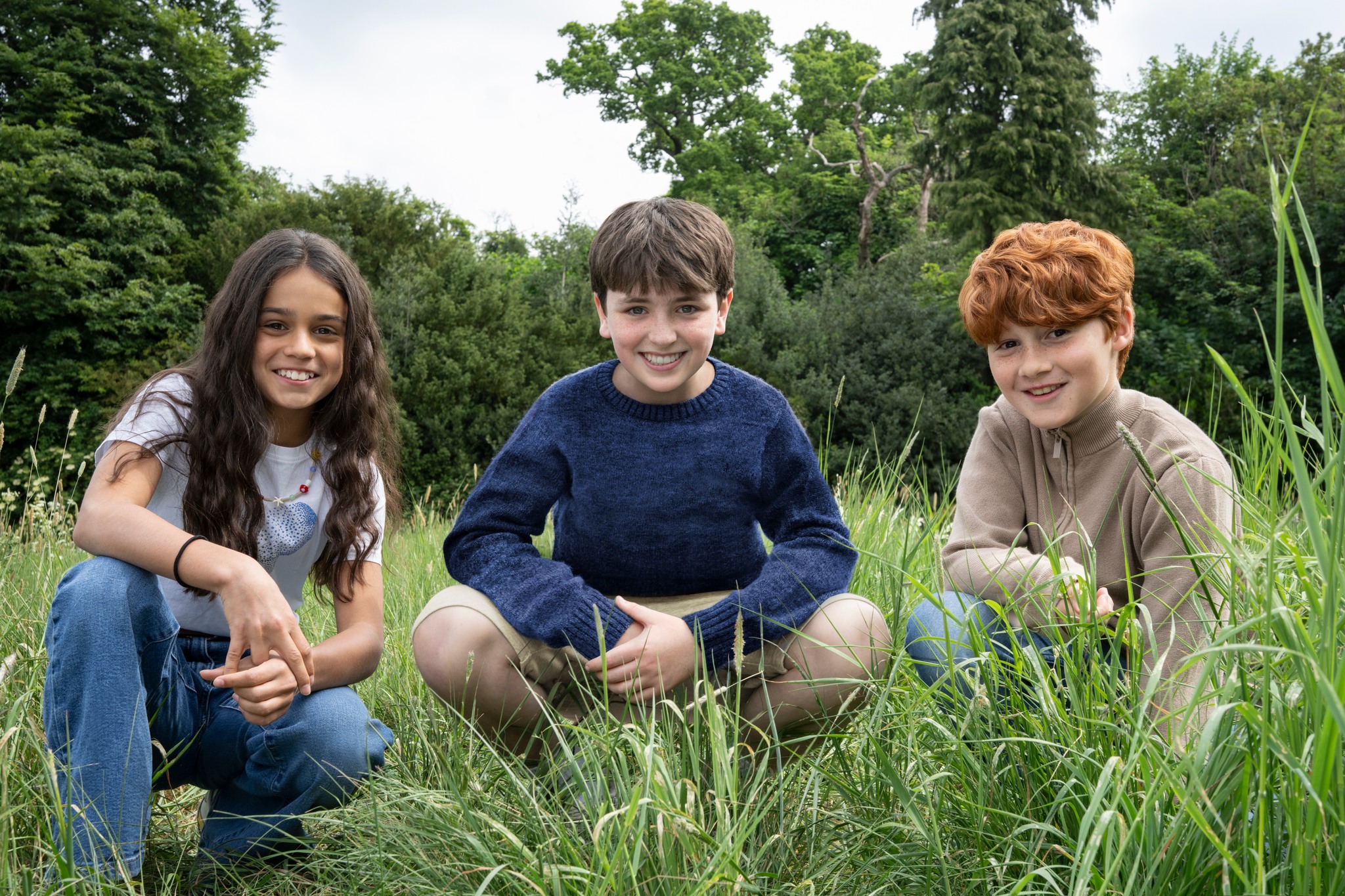
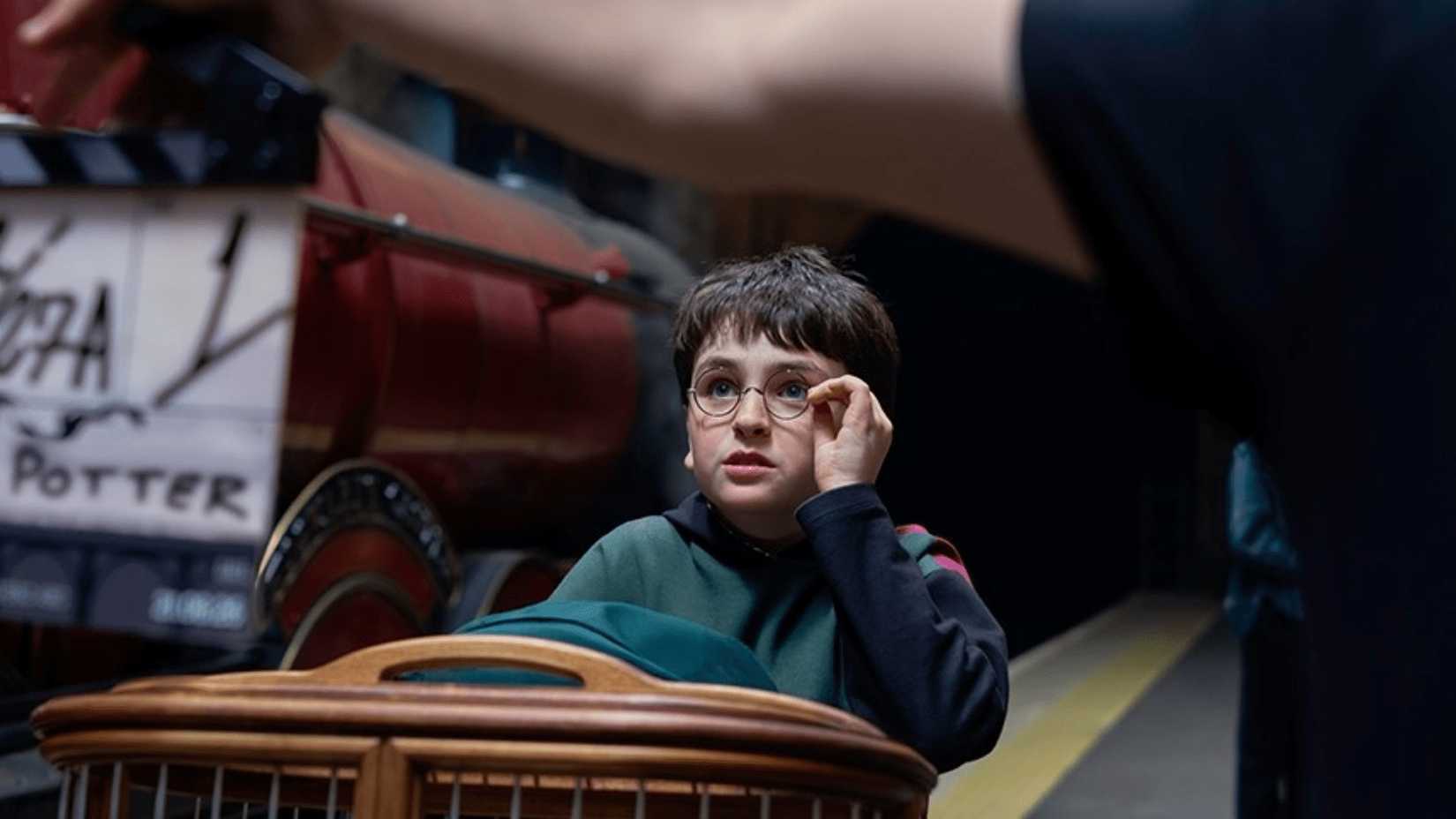
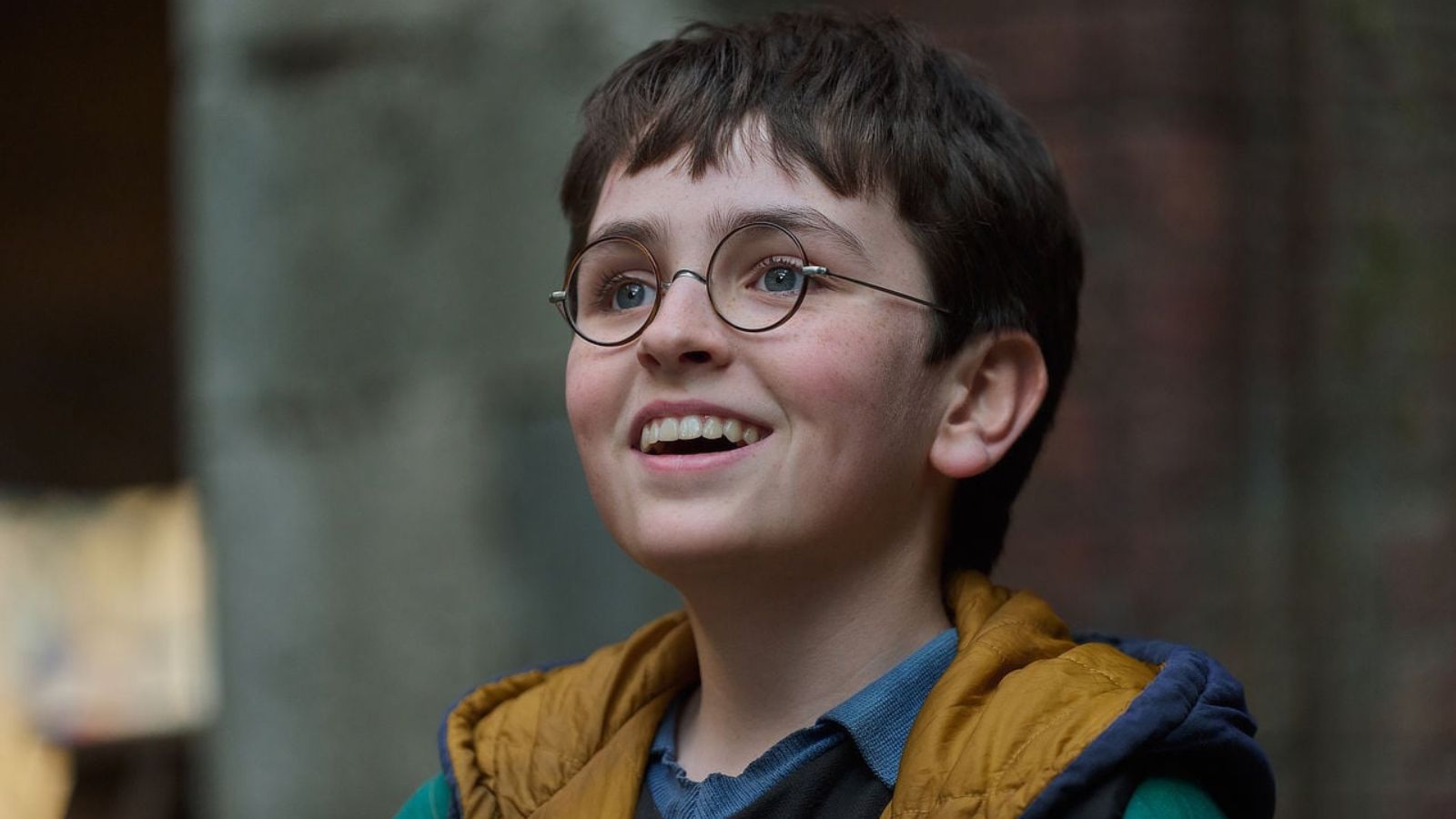
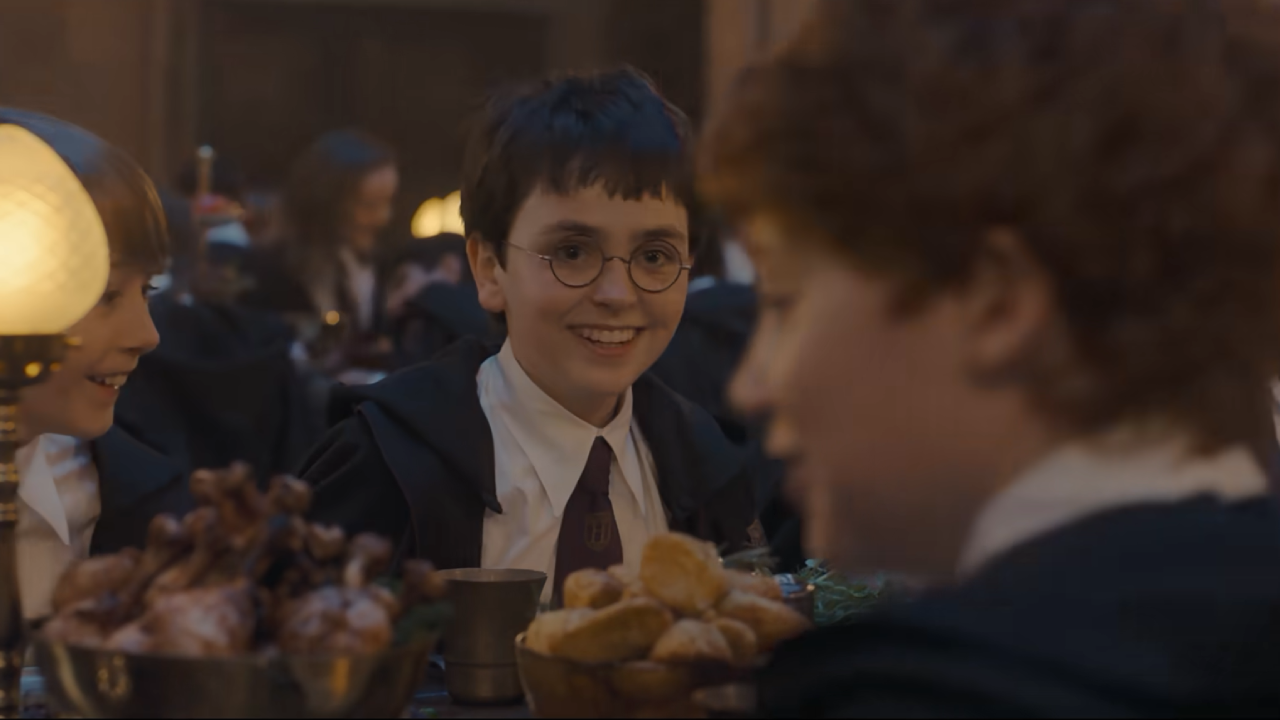
The most daunting task for the production has been the casting of Harry Potter, Ron Weasley, and Hermione Granger. In late 2024, an open casting call was issued for children in the UK and Ireland who would be between the ages of 9 and 11 in 2025. This search was explicitly "inclusive and diverse," aiming to find the best performers regardless of background, while maintaining the core characteristics described in the books.
Casting child actors for a ten-year commitment is a logistical and ethical challenge. The production must account for labor laws, educational requirements, and the mental well-being of young stars who will become global icons overnight. Unlike the films, where casting occurred in a different media landscape, the new trio will navigate their roles in the age of social media and immediate global feedback.
While the names of the new leads were kept under tight wraps during the early stages of production in 2025, the industry expectation is that these actors will become the faces of the franchise for a new generation. Additionally, fans are eagerly awaiting news on the adult cast—characters like Albus Dumbledore, Severus Snape, and Minerva McGonagall—where veteran British actors are expected to fill the legendary shoes of their predecessors.
What Sets the TV Series Apart from the Films?
The primary question many fans ask is: "Why remake Harry Potter?" The answer lies in the limitations of the feature film format. A two-and-a-half-hour movie simply does not have the space to include every plot point, side character, and world-building detail found in a 300-to-800-page book.
The TV series format, likely consisting of eight to ten episodes per season, allows for:
- Subplot Inclusion: For the first time, fans can expect to see characters like Peeves the Poltergeist or the full scope of Hermione's S.P.E.W. (Society for the Promotion of Elfish Welfare) campaign.
- Deeper Backstories: The histories of the Marauders, the Dumbledore family, and the rise of Voldemort can be explored with the nuance they deserve.
- Atmospheric World-Building: Rather than rushing from one action set-piece to another, the series can spend time on day-to-day life at Hogwarts, including more classroom scenes, wizarding exams, and the slow development of friendships.
- Book Fidelity: The "one book per season" approach ensures that the pacing matches the literary experience more closely than the films ever could.
Comparison: Harry Potter Films vs. The 2026 TV Series
| Feature | Original Film Series (2001–2011) | New TV Series (2026–Present) |
|---|---|---|
| Platform | Theatrical / Cinema | Max Streaming Service |
| Total Runtime | Approx. 20 hours (8 films) | Projected 60–80 hours (7 seasons) |
| Adaptation Strategy | Condensed narrative highlights | Comprehensive, book-by-book |
| Creative Control | Multiple Directors (Columbus, Cuarón, etc.) | Central Showrunner (Francesca Gardiner) |
| Primary Goal | Visual spectacle and blockbuster appeal | Depth of world-building and character arc |
| Accessibility | 4K Blu-ray, Digital, Cable | Exclusive to Max (and regional partners) |
Technical Requirements and How to Watch
As a flagship production for Warner Bros. Discovery, the Harry Potter series will be the crown jewel of the Max streaming service. To access the series upon its late 2026 release, viewers will need an active Max subscription.
Subscription Tiers and Quality
Max typically offers several tiers of service, including:
- With Ads: Standard HD streaming.
- Ad-Free: Standard HD streaming with the ability to download content.
- Ultimate Ad-Free: 4K UHD resolution with Dolby Atmos audio. Given the high production value and visual effects of Harry Potter, the Ultimate tier is recommended for fans seeking the most immersive experience.
International Availability
While Max is expanding globally, in regions where the service is not yet available, Warner Bros. Discovery often partners with local providers. In the United Kingdom, for example, previous HBO and Max content has historically been distributed via Sky and the NOW streaming service. Fans should check their local listings as the 2026 release date approaches to confirm which platform holds the exclusive broadcasting rights in their territory.
Common Obstacles and Production Challenges
A project of this magnitude is not without its risks. One of the primary concerns is "franchise fatigue." With the Fantastic Beasts films receiving mixed responses, the TV series must prove that there is still an appetite for the core Harry Potter story.
Furthermore, the physical production of a wizarding world requires massive soundstages and location shoots. Warner Bros. Studios Leavesden, where the original films were shot and where the "Making of Harry Potter" tour is located, remains a likely hub for production. Coordinating a decade of filming around the schedules of aging child actors and high-demand adult stars requires a level of logistical planning rarely seen in television.
Frequently Asked Questions
Will the original movie cast return for the TV series?
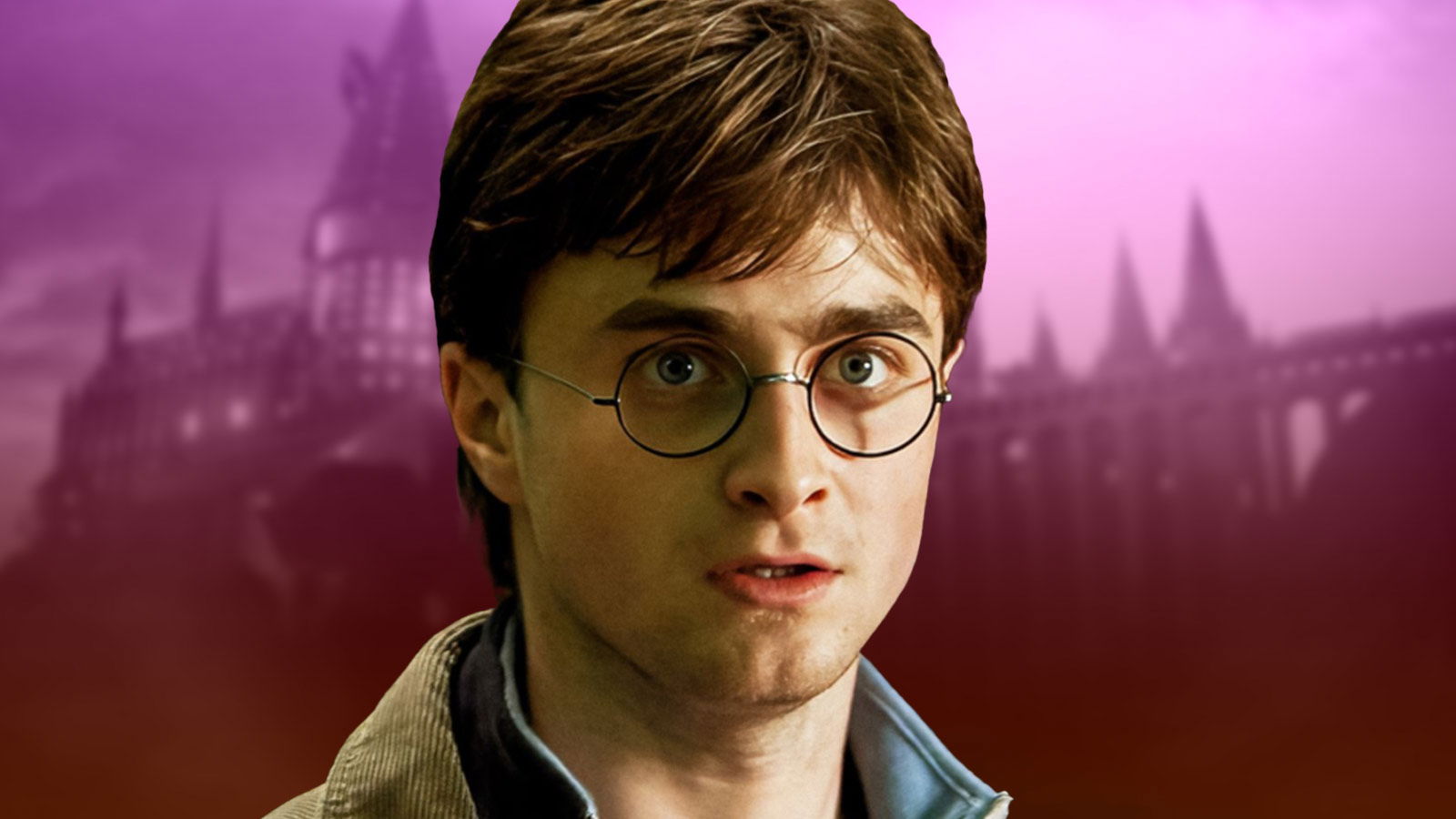
The series is a total reboot with a brand-new cast. While some original actors have expressed openness to cameos (perhaps playing older characters or appearing in background roles), Daniel Radcliffe, Emma Watson, and Rupert Grint will not be playing Harry, Hermione, or Ron. The goal is to establish a distinct identity for this version of the story.
How many episodes will be in the first season?
While an official episode count has not been released, industry standards for Max prestige dramas suggest a season length of eight to ten episodes. Each episode is expected to be roughly 50 to 60 minutes long, providing significantly more screentime for the first book than the original 152-minute movie.
Is the series a sequel or a remake?
The series is a direct remake of the seven original books. It is not a sequel to the films, nor is it an adaptation of Harry Potter and the Cursed Child. It is a return to the beginning of Harry's journey at Privet Drive and his first year at Hogwarts.
Where is the Harry Potter TV series being filmed?
Principal photography is primarily based in the United Kingdom. This ensures the authentic British atmosphere described in the books and allows the production to tap into the vast pool of talented UK-based actors and production crews who are familiar with the franchise's requirements.
Will the theme music by John Williams be used?
While the "Hedwig’s Theme" is synonymous with the franchise, the TV series will likely feature a new score to help differentiate it from the films. However, given the iconic nature of the original music, it is possible that certain motifs will be re-imagined or used in promotional materials.
Preparing for the Premiere
As we approach the late 2026 release, fans can prepare by revisiting the original novels. Because the series aims for high fidelity to the text, those who haven't read the books in years may find themselves surprised by the "new" details that were previously left out of the movies.
For those planning to watch on day one, ensuring your home theater setup is 4K-ready and your Max subscription is active will be essential. The Harry Potter TV series represents more than just a remake; it is a long-term commitment to the Wizarding World that will likely define the streaming landscape for the next decade. Keep an eye on official Max social media channels throughout late 2025 and early 2026 for the first teaser trailers and official cast reveals.
Image Gallery