The Cultural Legacy of Little Edie and Drew Barrymore’s Portrayal
The public fascination with Edith "Little Edie" Bouvier Beale stems from the 1975 documentary Grey Gardens, which captured the reclusive life of the former socialite and her mother. In 2009, actress Drew Barrymore brought this complex,...
The public fascination with Edith "Little Edie" Bouvier Beale stems from the 1975 documentary Grey Gardens, which captured the reclusive life of the former socialite and her mother. In 2009, actress Drew Barrymore brought this complex, tragic, and iconic figure back into the mainstream consciousness by portraying her in the HBO biographical television film, also titled Grey Gardens. This performance bridged the gap between 20th-century aristocratic decay and modern cinematic interpretation.
Contents
The Origin: Who Was Little Edie?
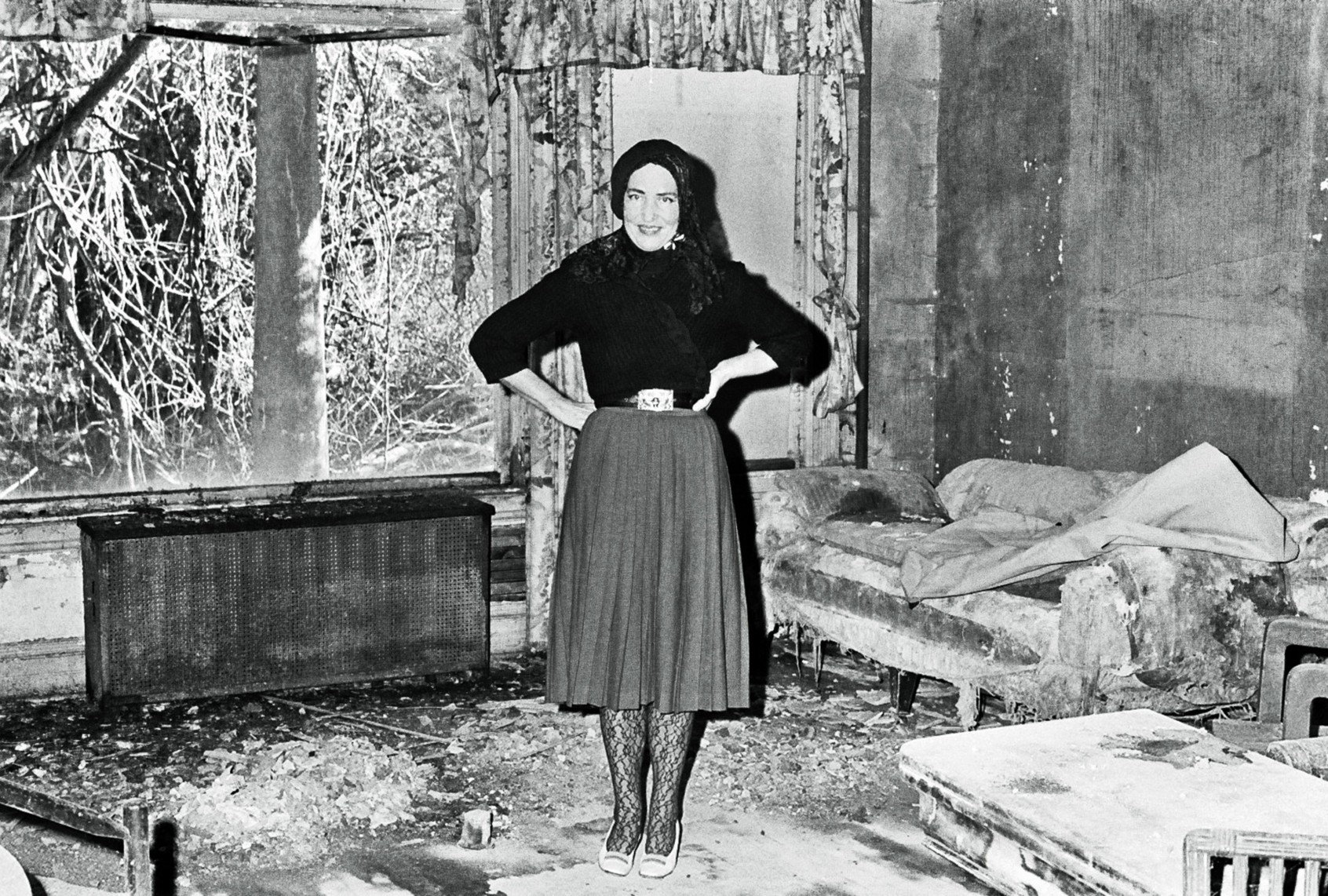
Edith Bouvier Beale (1917–2002), known universally as "Little Edie," was a cousin of Jacqueline Kennedy Onassis. Her life represents one of the most stark transformations in American social history. Born into the opulent environment of the upper-crust Bouvier family, she moved to New York City as a young woman to pursue ambitions in acting, modeling, and dance. She was widely considered a beauty of the era, moving in high-society circles that defined mid-century American aristocracy.
However, her life took a sharp turn when she returned to her mother's dilapidated mansion, Grey Gardens, in East Hampton, New York, in 1952. What followed was decades of isolation. By the time filmmakers Albert and David Maysles arrived at the property in the mid-1970s, the mansion had fallen into severe disrepair, plagued by infestations and poverty. The resulting documentary revealed a woman who was eccentric, fiercely intelligent, deeply codependent with her mother, and profoundly tethered to a fading past. Little Edie’s unique style—characterized by headscarves, layered clothing, and pins—turned her into a post-modern fashion icon and a symbol of bohemian eccentricity.
Drew Barrymore’s Approach to the Role
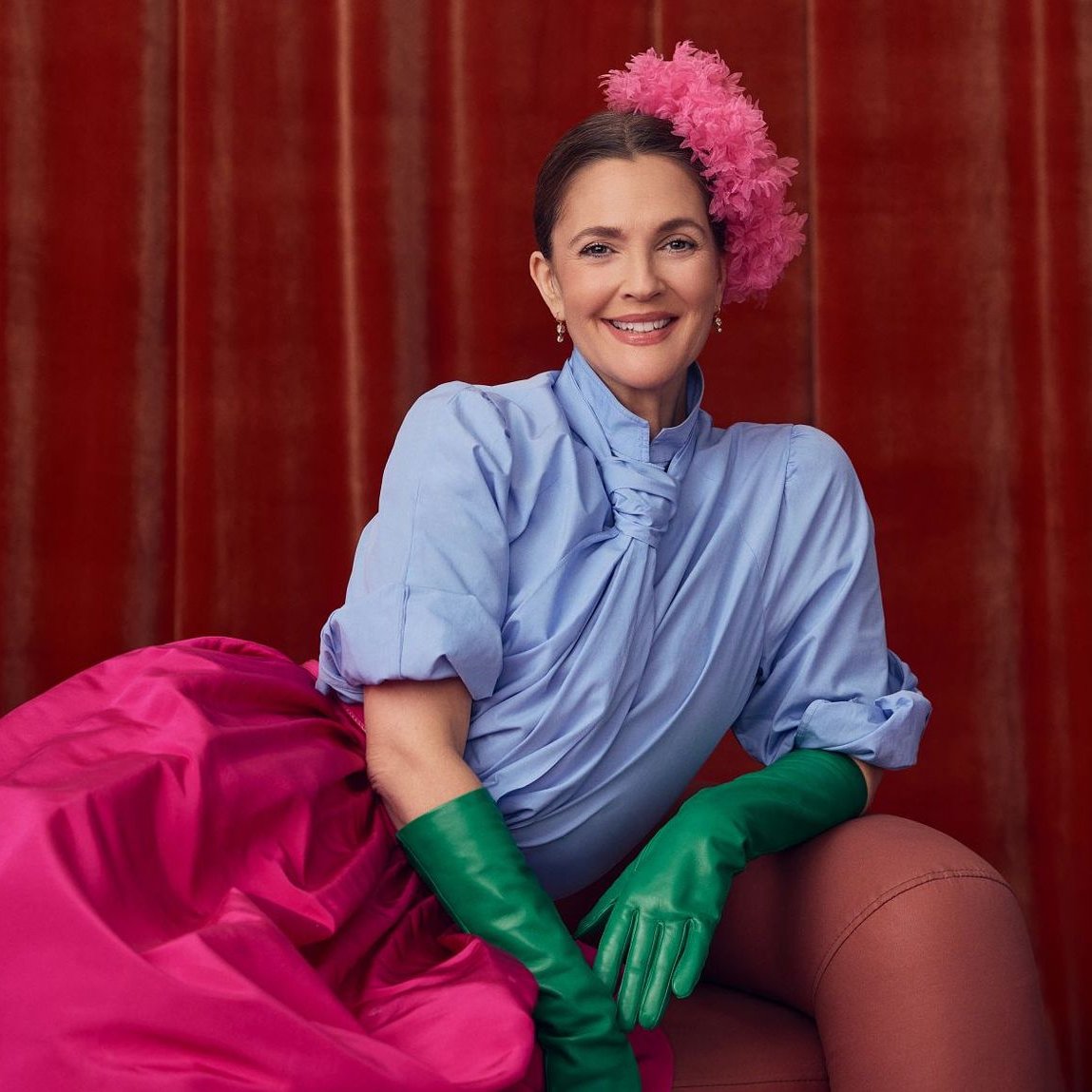
When HBO announced a film adaptation of Grey Gardens directed by Michael Sucsy, the casting of Drew Barrymore was seen as a significant risk and a major creative challenge. Barrymore, who had spent decades navigating her own public life as a child star, brought a specific empathy to the role that defined the production.
Barrymore’s performance is notable because it spans several decades, requiring her to portray Little Edie from her vibrant youth in the 1930s and 40s to her isolated, mentally deteriorating years in the 1970s. This transition was not merely cosmetic; it required a mastery of Little Edie's distinct vocal cadence, her specific frantic energy, and the subtle, underlying sorrow that dictated her decision to stay in the house. Barrymore eschewed a simple caricature, instead focusing on the "why" behind the eccentricities—the suffocating expectations of a mother-daughter bond and the crushing weight of lost potential.
Historical Comparison: Documentary vs. Dramatization
To understand the impact of the 2009 film, one must compare it to the source material. The 1975 documentary is a work of direct cinema, focusing on the immediate reality of the women's lives. In contrast, the 2009 film provides narrative structure, offering the viewer a "before and after" that the original documentary only hinted at through anecdotes.
| Feature | 1975 Grey Gardens (Documentary) | 2009 Grey Gardens (HBO Film) |
|---|---|---|
| Medium | Cinéma vérité documentary | Biographical drama |
| Focus | Daily survival and interaction | Life arc and psychological origins |
| Perspective | Observational, unfiltered | Interpretive, scripted narrative |
| Primary Actor | Little Edie (as herself) | Drew Barrymore |
| Narrative Goal | Record reality | Explore motivations and history |
The 2009 film fills the gaps left by the documentary, explaining how the Bouvier family dynamics led to the women's estrangement from their high-society life. By focusing on the relationship between "Big Edie" and "Little Edie," the film clarifies that the tragedy at Grey Gardens was not just about the physical decay of a building, but the psychological decay of a family unit that refused to adapt to the changing world.
The Challenges of Portrayal
Portraying a real-life figure who is so well-documented presents unique challenges for an actor. Little Edie was a "living museum" of her own memories. Drew Barrymore had to navigate:
- Vocal Mimicry: Little Edie had a specific, clipped, high-society mid-Atlantic accent combined with a rhythmic, often repetitive way of speaking. Barrymore had to balance this specific cadence without letting it distract from the emotional performance.
- The Costume Archetype: Little Edie’s "costumes"—the homemade scarves and hats—were not just fashion; they were a defense mechanism. Barrymore wore these elements as a reflection of Edie’s fractured sense of self.
- Physicality: As the character ages, her physicality becomes more brittle and erratic. Barrymore’s performance required a nuanced change in posture and movement to convey the physical toll of 20 years of seclusion.
Cultural Impact and Audience Perception
The release of the 2009 film solidified Little Edie’s status as a queer icon and a muse for the fashion industry. Her style, which was born out of poverty and the need to repurpose old fabrics, paradoxically became high-end inspiration. By exploring the vulnerability of the character, Drew Barrymore helped audiences see past the "crazy cat lady" trope that had been lazily applied to the women for decades.
For modern viewers, the interest in the connection between Barrymore and the figure of Little Edie is often rooted in the concept of "the fallen star." Barrymore’s own history of public scrutiny, struggle, and eventual public redemption likely informed her ability to play a character who felt judged and trapped by the public eye.
FAQ: Common Questions About the Connection
Did Drew Barrymore meet the real Little Edie? No. Little Edie passed away in 2002, seven years before the HBO film was released. Barrymore relied entirely on the 1975 documentary footage, personal letters, and recorded interviews to build her performance.
Why is this story still relevant in 2026? The themes of the film—mental health, the toxicity of overbearing parental figures, and the cost of refusing to let go of the past—remain universally resonant. Additionally, the documentary aesthetic has left a permanent mark on pop culture and fashion.
Is the HBO film an accurate biography? It is considered a dramatization. While it remains faithful to the core timeline and the emotional truth of their relationship, some events are streamlined or condensed for dramatic effect, as is standard in biographical film adaptations.
What is the "Grey Gardens" aesthetic? It is a fashion and design style characterized by layers, clashing patterns, the use of headscarves, and a "shabby chic" or "bohemian" sensibility that mimics the unkempt, layered, and historically rich look of the women in the mansion.
Where can one view the source material? The 1975 Maysles documentary is widely available on digital streaming platforms and through archival film services, while the 2009 HBO production is typically found through HBO’s digital catalog.
Next Steps for Enthusiasts
If you are interested in exploring this topic further, the best approach is to watch both productions in sequence. Start with the 2009 dramatization to understand the historical context and the family dynamics, then follow it with the 1975 documentary. Watching the original documentary after the film allows the viewer to recognize the specific mannerisms and scenes that Barrymore meticulously recreated, providing a deeper appreciation for the technical craft involved in the performance. For those interested in the social history of the Bouvier family, biographies concerning the life of Jacqueline Kennedy Onassis often provide additional context regarding the family's reaction to their estranged relatives.
Image Gallery