Kiyan Anthony’s Net Worth and How He Built It: An Analysis of a Rising Athletic Brand
As of 2026, Kiyan Anthony’s estimated net worth is reported to be in the range of $1 million to $2 million. His financial standing is primarily built on his trajectory as a high-profile basketball prospect, leveraged through Name, Imag...
As of 2026, Kiyan Anthony’s estimated net worth is reported to be in the range of $1 million to $2 million. His financial standing is primarily built on his trajectory as a high-profile basketball prospect, leveraged through Name, Image, and Likeness (NIL) valuations, strategic brand partnerships, and his rapidly growing influence within the sports and digital media landscape.
Contents
The Foundation: Athletic Potential and Family Legacy
The primary driver of Kiyan Anthony’s financial profile is his status as a elite basketball talent. As the son of NBA legend Carmelo Anthony and television personality La La Anthony, Kiyan entered the public consciousness early. However, his financial growth in the mid-2020s shifted from passive recognition to active participation in the sports economy.
In the era of collegiate and prep-school NIL agreements, an athlete’s market value is determined by their on-court performance, social media reach, and "marketability"—the ability to convert athletic success into consumer trust. Kiyan’s transition through the ranks of high school basketball provided the necessary platform to secure early-stage sponsorship opportunities that were unavailable to previous generations of student-athletes.
How NIL Agreements Shaped His Early Earnings
The shift in sports governance, which now allows high school and collegiate athletes to monetize their Name, Image, and Likeness, has been the most significant catalyst for Kiyan’s earnings. Before reaching the professional leagues, he secured multiple endorsement deals that serve as the bedrock of his current financial health.
These agreements typically function as performance-based or engagement-based contracts. Because of his visibility, brands in the athletic apparel, lifestyle, and nutrition sectors have sought him out to reach a demographic of younger sports fans. These partnerships are not merely "salary" but represent a complex interplay of digital marketing, where his social media presence acts as a direct-to-consumer channel for sponsors.
The Role of Digital Presence and Brand Equity
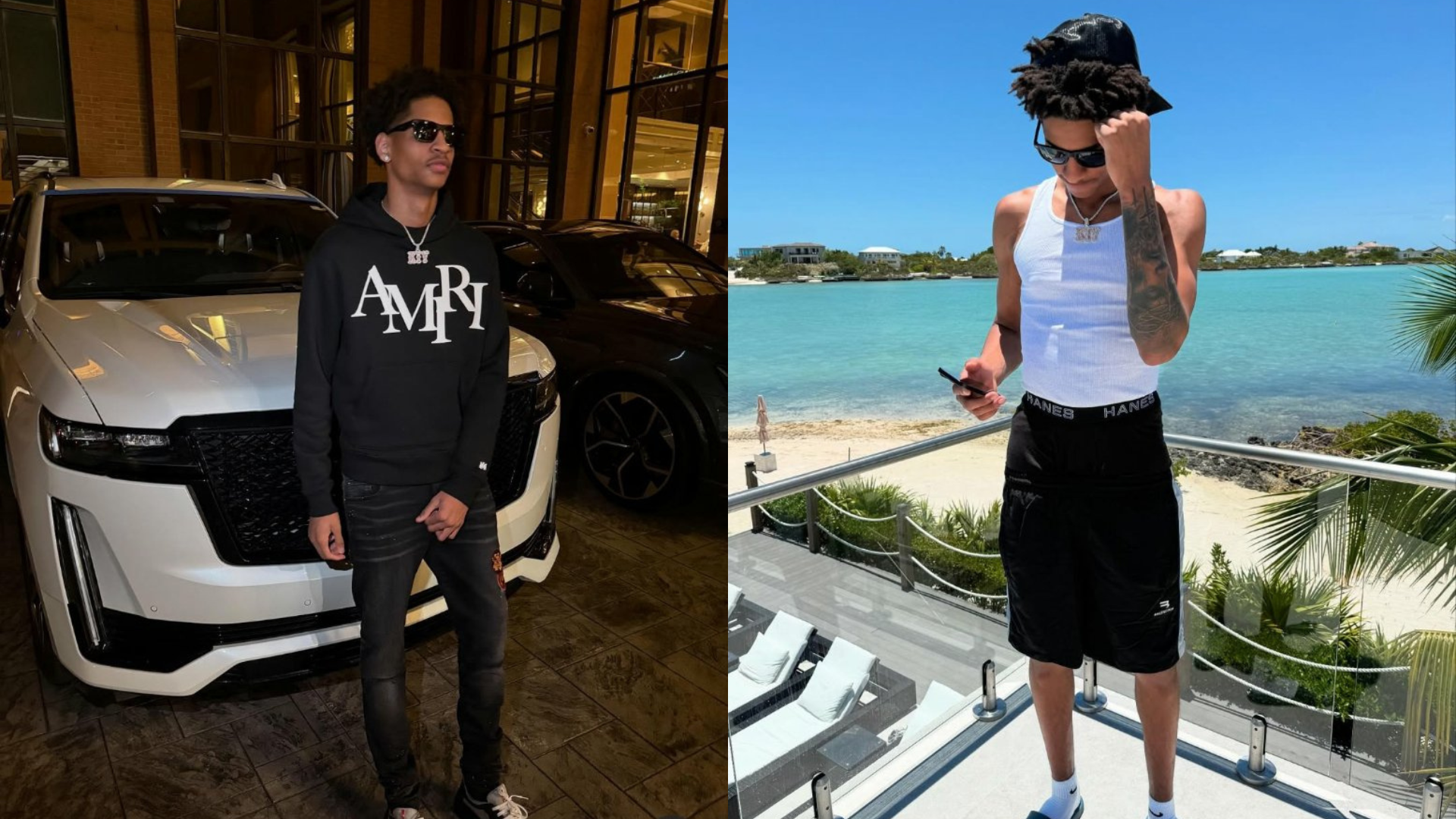
Kiyan Anthony has cultivated a significant social media following, which is a measurable asset in his financial portfolio. In 2026, the value of an athlete is often tied to their "earned media value." By documenting his training, lifestyle, and fashion interests, he maintains a high level of engagement with his audience.
Digital brand equity is built through consistent, high-quality content that aligns with his identity as a premium athlete. This is essential for long-term growth; by maintaining a clean, professional image, he remains eligible for high-tier partnerships that require low-risk, high-reward celebrity association. His ability to navigate these platforms without controversy has made him an attractive candidate for national campaigns rather than just hyper-local endorsements.
Comparative Financial Context: The Modern Amateur Athlete
To understand how Kiyan’s financial status compares to others in his cohort, it is helpful to look at the factors that differentiate high-value prospects from the rest of the field.
| Factor | Impact on Valuation | Why It Matters |
|---|---|---|
| Social Media Reach | High | Direct access to Gen Z and Alpha demographics. |
| Athletic Prospect Rank | Critical | Determines long-term professional earning potential. |
| Family Brand/Legacy | Moderate | Provides instant visibility and industry networking. |
| Endorsement Diversity | High | Mitigates risk by avoiding reliance on one industry. |
While his family connections provided an initial entry point into the spotlight, his sustained growth is attributed to his personal output. The financial structure of a 2026 athlete is heavily weighted toward these multi-channel revenue streams, ensuring that the "net worth" is not tied to a single source of income but is instead a diversified portfolio of contracts.
Financial Management and Future Growth
Building wealth as a young athlete involves significant risk mitigation. Most high-profile athletes in 2026 employ professional management teams—including agents, financial advisors, and publicists—to ensure that earnings from NIL deals are handled with long-term security in mind.
The strategy for individuals like Kiyan usually involves:
- Tax Planning: Managing the tax implications of endorsement income, which is treated differently than traditional employment income.
- Asset Allocation: Moving liquid cash from sponsorships into more stable, long-term investments.
- Brand Preservation: Avoiding "over-exposure" by carefully selecting partners that do not dilute the athlete’s primary brand value.
This approach ensures that regardless of the variance in his professional career trajectory, the financial foundation laid during his formative years remains intact.
Frequently Asked Questions
1. Does Kiyan Anthony's net worth include his parents' wealth? No. Net worth, in an economic and journalistic sense, refers only to the individual's personal earnings, assets, and liabilities. Kiyan’s financial status is distinct from the combined net worth of Carmelo and La La Anthony, though his career benefits from the networking and professional resources his family provides.
2. What are the primary sources of Kiyan Anthony's income? His income is derived from NIL (Name, Image, and Likeness) partnerships, social media monetization, and potential early-stage investment ventures. These sources are tied to his athletic profile and his influence as a public figure.
3. How does high school basketball status affect income in 2026? In 2026, the amateur sports landscape is highly professionalized. Elite prospects are scouted not just for their skill on the court but for their ability to serve as brand ambassadors. A higher prospect ranking correlates directly with more lucrative and high-profile endorsement opportunities.
4. Can an athlete's net worth fluctuate significantly in a single year? Yes. For young athletes, earnings are often milestone-based or contract-based. Signing a new endorsement deal or transitioning to a different level of competitive play (such as from high school to collegiate or professional) can cause a sharp, sudden increase in reported valuation.
Next Steps for Aspiring Athletes
For those looking to understand or emulate the financial model followed by modern athletes like Kiyan Anthony, the path forward involves focusing on three pillars: performance, professionalism, and platform.
- Prioritize Performance: Athletic capability remains the ultimate gateway to financial opportunities. Without a foundation of high-level performance, secondary marketability loses its value.
- Develop a Professional Network: Access to mentors, agents, and legal counsel is essential to navigating complex contracts and avoiding predatory or low-value agreements.
- Value Long-term Brand Health: In the digital age, your "brand" is your digital footprint. Prioritize partnerships that offer longevity and align with personal values, as short-term gains from inappropriate partnerships can damage long-term earning potential.
By maintaining focus on his development as a basketball player while strategically leveraging his digital presence, Kiyan Anthony has effectively established a financial footprint that is independent of his family’s success, positioning himself for further growth as his career continues to evolve.
Image Gallery