Comprehensive Guide to Eating Disorder Treatment in Arizona
Finding effective eating disorder treatment in Arizona involves navigating a spectrum of care ranging from 24-hour residential medical stabilization to flexible outpatient therapy. Arizona is a national hub for behavioral health, offer...
Finding effective eating disorder treatment in Arizona involves navigating a spectrum of care ranging from 24-hour residential medical stabilization to flexible outpatient therapy. Arizona is a national hub for behavioral health, offering specialized facilities in Phoenix, Scottsdale, and Wickenburg that utilize multidisciplinary teams to treat anorexia, bulimia, binge eating disorder, and ARFID through evidence-based medical and psychological interventions.
Contents
In 2026, the landscape of eating disorder (ED) recovery in Arizona continues to evolve, integrating advanced nutritional science with trauma-informed psychological care. Eating disorders are complex bio-psychosocial illnesses; they are not merely "lifestyle choices" or "phases." In Arizona, state-licensed facilities and private practitioners provide a continuum of care designed to address the high mortality rates and physical complications associated with these conditions.
Disclaimer: This article provides informational content and does not constitute medical advice. Eating disorders are life-threatening conditions. If you or a loved one are in crisis, please contact a healthcare professional or emergency services immediately.
Understanding the Levels of Care in Arizona
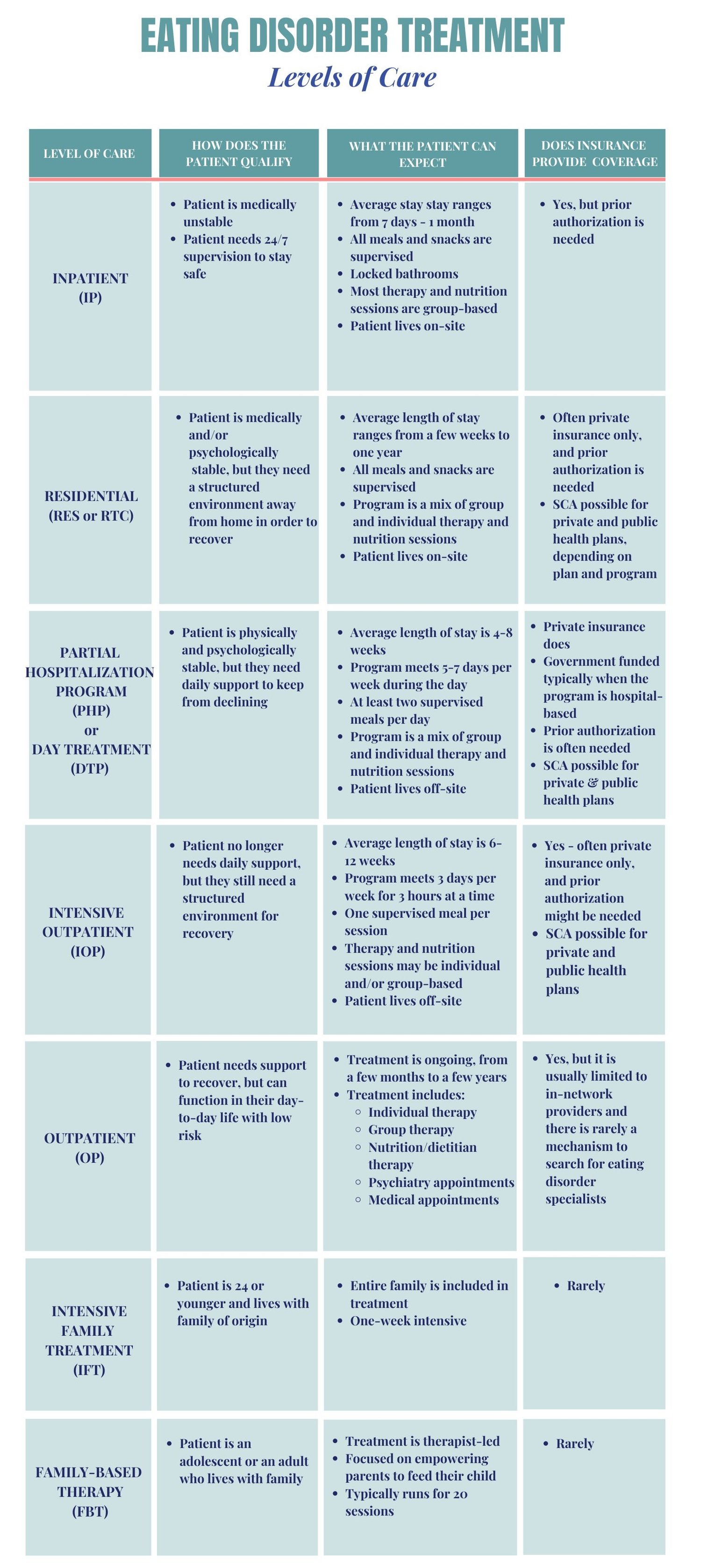
Treatment for eating disorders is not a "one size fits all" process. Arizona providers categorize treatment into levels of care based on the patient’s medical stability and psychological needs. This "stepped" approach ensures that patients receive the appropriate intensity of supervision.
Residential Treatment Centers (RTC)
Residential care is often the starting point for individuals who are medically stable but unable to maintain recovery in their home environment. Arizona is famous for its "campus-style" residential centers, particularly in the high-desert regions like Wickenburg. In these settings, patients live on-site and receive 24/7 supervision. Treatment includes supervised meals, individual therapy, group sessions, and medical monitoring. This level of care is crucial for interrupting the cycle of binging, purging, or restrictive eating.
Partial Hospitalization Programs (PHP)
Often referred to as "Day Treatment," PHP serves as a bridge between residential care and independence. Patients typically attend the facility for 6 to 8 hours a day, five to six days a week, but return home or to a supervised "sober living" style apartment at night. This level focuses on practicing recovery skills in a real-world setting while still having the majority of meals supervised by clinicians.
Intensive Outpatient Programs (IOP)
IOP is designed for those who are making significant progress or for those whose symptoms do not require the intensity of PHP. Usually meeting three days a week for three hours per session, IOP allows individuals to maintain school or work commitments. In Arizona’s urban centers like Tempe and Tucson, IOP is a common entry point for adults seeking to balance recovery with professional responsibilities.
Key Treatment Facilities and Providers in Arizona
Arizona attracts patients from across the country due to its concentration of specialized clinics. The following are some of the most established entities providing eating disorder treatment in the state as of 2026.
- Rosewood Centers for Eating Disorders: Located in Wickenburg and Tempe, Rosewood offers a full continuum of care. They are known for treating complex cases, including those with co-occurring substance use disorders or severe medical complications.
- The Meadows Ranch: Also located in Wickenburg, this facility specializes in trauma-informed care. Their approach integrates the "Meadows Model," which focuses on childhood trauma and developmental immaturity as underlying factors in disordered eating.
- Eating Recovery Center (ERC) - Arizona: With locations in the Phoenix metropolitan area, ERC provides specialized programs for children, adolescents, and adults. They are highly regarded for their medical integration and evidence-based psychological treatments.
- Sierra Tucson: While a broader behavioral health hospital, Sierra Tucson in the Santa Catalina Mountains provides a dedicated eating disorder track that emphasizes the mind-body connection and holistic healing.
Evidence-Based Therapeutic Modalities
Effective treatment in Arizona is grounded in clinical research. Most accredited centers utilize a combination of the following therapies to help patients rewire their relationship with food and body image.
Cognitive Behavioral Therapy (CBT-E)
The "E" stands for "Enhanced," and it is the gold standard for treating bulimia and binge eating disorder. CBT-E helps patients identify the distorted thought patterns that lead to restrictive or compensatory behaviors. By challenging these thoughts, patients can develop healthier coping mechanisms.
Dialectical Behavior Therapy (DBT)
Originally developed for personality disorders, DBT has proven highly effective for eating disorders characterized by emotional dysregulation. Arizona clinicians use DBT to teach patients four key skills: mindfulness, distress tolerance, emotion regulation, and interpersonal effectiveness. This is particularly useful for stopping "purging" behaviors triggered by intense stress.
Family-Based Treatment (FBT) or the Maudsley Approach
For adolescents in Arizona, FBT is often the primary modality. This approach empowers parents to play an active role in their child’s refeeding process. Rather than blaming the family, FBT views the family as the patient’s best resource for recovery.
The Role of Nutritional Rehabilitation
In any Arizona-based ED program, registered dietitians (RDs) are central to the team. Nutritional rehabilitation is the process of restoring the body’s physical health through structured meal plans.
Early in treatment, the focus is on weight restoration and the normalization of metabolic functions. This is often the most challenging phase for the patient, as it involves facing "fear foods" and ending food rituals. In 2026, many Arizona facilities utilize "blind weighing" and meal coaching to reduce the anxiety associated with caloric intake. As the patient progresses, the goal shifts toward Intuitive Eating, where the individual learns to listen to their body's natural hunger and fullness cues without the interference of the eating disorder "voice."
Arizona Treatment Comparison Table
| Level of Care | Medical Supervision | Hours per Week | Typical Duration | Best Suited For |
|---|---|---|---|---|
| Residential (RTC) | 24/7 Nursing/Staff | 168 hours | 30–90 days | Severe symptoms, medical stability issues, failed outpatient. |
| Partial (PHP) | Daily Medical Check-ins | 30–45 hours | 4–8 weeks | Transition from RTC or those needing high structure. |
| Intensive Outpatient (IOP) | Weekly/As Needed | 9–15 hours | 8–12 weeks | Stable patients practicing integration into daily life. |
| Outpatient | Monthly/As Needed | 1–3 hours | Ongoing | Long-term maintenance and relapse prevention. |
Insurance and Cost Considerations in Arizona
One of the primary barriers to eating disorder treatment is cost. In Arizona, the cost of residential treatment can range from $1,000 to $2,500 per day, making insurance coverage essential.
Private Insurance and Parity Laws
Under the Mental Health Parity and Addiction Equity Act (MHPAEA), insurance providers are required to provide coverage for mental health and substance use disorder services that is no more restrictive than coverage for medical/surgical conditions. Most major providers in Arizona, such as Blue Cross Blue Shield of Arizona, Cigna, and UnitedHealthcare, cover ED treatment, though "prior authorization" and "continued stay reviews" are standard.
AHCCCS (Arizona’s Medicaid)
The Arizona Health Care Cost Containment System (AHCCCS) provides coverage for eating disorder treatment for eligible low-income residents. While fewer private residential centers accept AHCCCS compared to private insurance, there are dedicated behavioral health providers within the AHCCCS network that offer IOP and PHP services.
Special Populations and Co-occurring Disorders
Arizona’s treatment centers often provide specialized tracks to address the unique needs of different demographics:
- Athletes: Programs like those at Rosewood often address "Relative Energy Deficiency in Sport" (RED-S), helping athletes balance performance with nutritional health.
- Dual Diagnosis: Many individuals with eating disorders also struggle with depression, anxiety, or substance abuse. Arizona’s licensure allows many facilities to treat these "co-occurring" disorders simultaneously.
- Male Patients: While historically viewed as a female struggle, the number of men seeking ED treatment in Arizona has increased. Facilities now offer male-specific groups to address "muscle dysmorphia" and the unique stigma men face in recovery.
Navigating the Admissions Process
Entering treatment can be overwhelming. Most Arizona facilities follow a standard admissions protocol:
- Initial Inquiry: A confidential phone call to discuss symptoms and history.
- Clinical Assessment: A formal interview with a therapist or nurse to determine the appropriate level of care.
- Insurance Verification: The facility contacts your insurance provider to determine benefits and out-of-pocket costs.
- Medical Clearance: Depending on the level of care, you may need a physical exam, EKG, and blood work from a primary care physician to ensure it is safe to enter the program.
Frequently Asked Questions
What is the difference between an eating disorder and "disordered eating"?
Disordered eating is a descriptive term for a range of irregular eating behaviors, such as frequent dieting or meal skipping. An eating disorder, such as Anorexia or Bulimia, is a diagnosable mental health condition that meets specific criteria in the DSM-5. Eating disorders are more severe and carry significant medical risks, including cardiac arrest and organ failure.
Do Arizona facilities treat ARFID?
Yes. Avoidant/Restrictive Food Intake Disorder (ARFID) is increasingly recognized in Arizona clinics. Unlike anorexia, ARFID is not driven by body image concerns but by sensory sensitivities, fear of aversive consequences (like choking), or a general lack of interest in eating. Treatment often involves exposure therapy and nutritional fortification.
Can I stay in school while in treatment?
Many adolescent programs in Phoenix and Scottsdale provide on-site academic coordinators or designated "school hours" to ensure students do not fall behind while in PHP or residential care. For college students, IOP is often scheduled in the evenings to accommodate class schedules.
How do I know if I need residential treatment?
If you find that your eating disorder behaviors are uncontrollable despite outpatient therapy, if your weight is dangerously low, or if you are experiencing medical complications like fainting or irregular heartbeat, residential treatment is likely necessary. A professional assessment at an Arizona ED center can provide a definitive recommendation.
Is tele-health an option for eating disorder treatment in Arizona?
Yes, since 2020, many Arizona providers have expanded their tele-health offerings. This is particularly useful for residents in rural parts of the state who may not have access to a specialist. However, higher levels of care like PHP and Residential still require in-person attendance for medical safety.
Finding the Path Forward
Recovery from an eating disorder is a marathon, not a sprint. Arizona offers some of the highest-quality clinical resources in the United States to support this journey. The first step is often the hardest: reaching out for an assessment. Whether you are looking for a secluded residential retreat in the Arizona desert or a flexible outpatient program in the heart of Phoenix, the goal remains the same: restoring your physical health and reclaiming your life from the eating disorder.
For immediate assistance, you can visit the National Eating Disorders Association (NEDA) or contact the Arizona Department of Health Services for a list of licensed behavioral health facilities.
Image Gallery