What a US Sailor Can Expect in the Navy: A Comprehensive Guide to Service
A US Navy sailor can expect a highly structured environment defined by rigorous physical training, technical specialization, and a rotation between sea and shore assignments. The experience begins with an intensive boot camp in Great L...
A US Navy sailor can expect a highly structured environment defined by rigorous physical training, technical specialization, and a rotation between sea and shore assignments. The experience begins with an intensive boot camp in Great Lakes, Illinois, followed by specialized technical schooling, eventually leading to global deployments where sailors manage advanced maritime technology and support national security operations.
Contents
The decision to join the United States Navy is a significant life event that transforms a civilian into a professional mariner and military member. As of 2026, the Navy continues to modernize its fleet and its personnel management systems, focusing on "Rating" specialization and improved quality of life. Understanding the trajectory of a naval career—from the initial recruitment steps to the daily realities of life on a guided-missile destroyer or a shore-based installation—is essential for any prospective recruit or their family.
The Journey Begins: Recruitment and MEPS
The process of becoming a sailor starts long before reaching the fleet. Every applicant must navigate the Military Entrance Processing Station (MEPS). This stage is designed to ensure that the individual meets the physical, mental, and moral standards required for service.
The ASVAB and Job Selection The Armed Services Vocational Aptitude Battery (ASVAB) is the most critical tool in determining a sailor’s future. Unlike other branches where a general category might be assigned, the Navy places a heavy emphasis on "Ratings"—the specific job a sailor will perform. Whether an applicant wants to be an Electronics Technician (ET), a Boatswain’s Mate (BM), or a Hospital Corpsman (HM), their ASVAB line scores will dictate their eligibility. In 2026, technical ratings in cybersecurity and nuclear propulsion remain high-demand areas with significant enlistment bonuses.
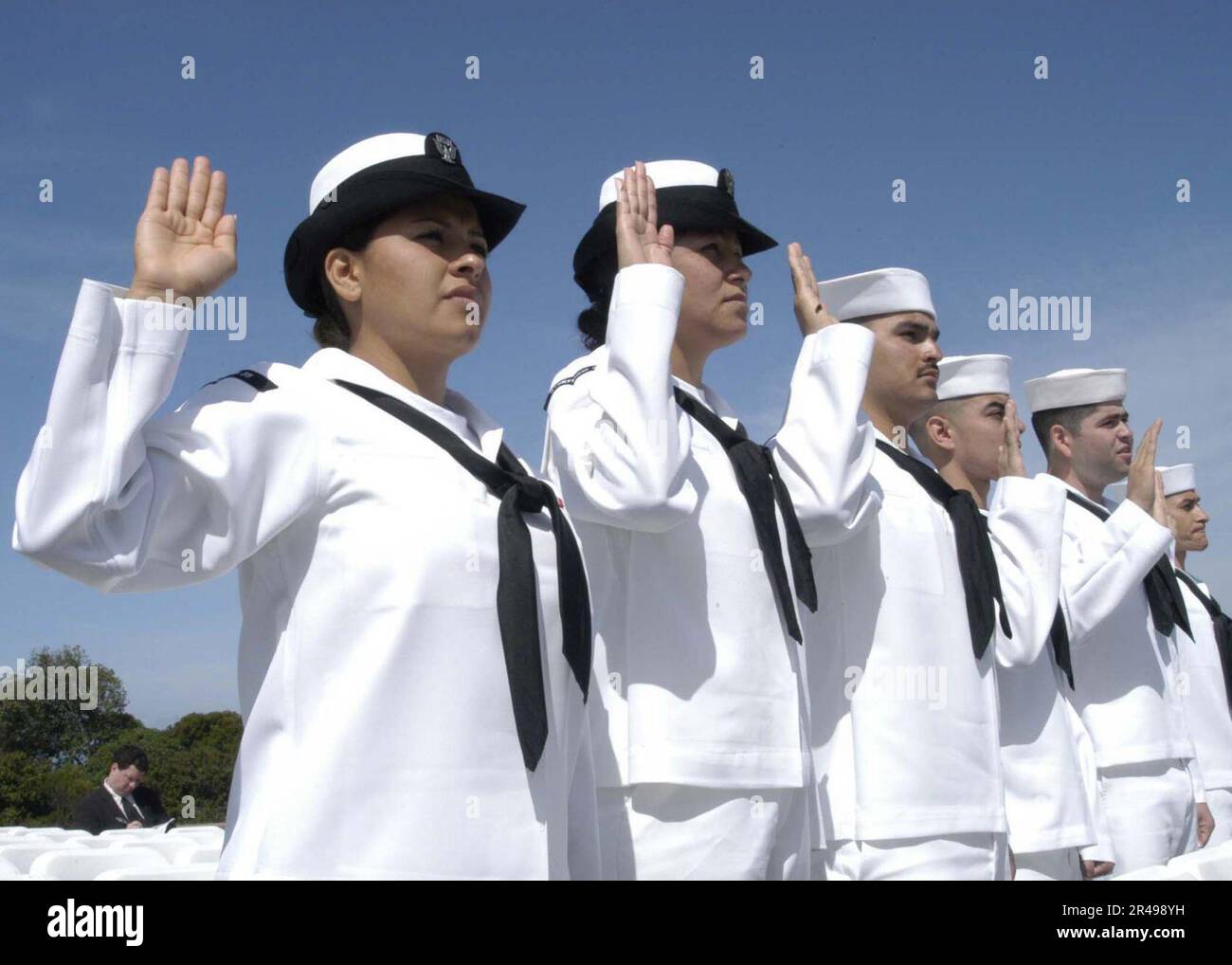
Physical and Medical Screening At MEPS, candidates undergo exhaustive medical evaluations. This includes vision and hearing tests, blood work, and physical maneuvers to ensure joint mobility. Expect a long day of administrative processing and waiting. Once cleared, the recruit signs their contract and takes the Oath of Enlistment, officially entering the Delayed Entry Program (DEP) until their ship date.
Recruit Training Command: The Transformation at Great Lakes
All enlisted sailors begin their journey at Recruit Training Command (RTC) in Great Lakes, Illinois. As the Navy’s only boot camp, it is the crucible where civilians are forged into sailors.
The Curriculum of the 2026 Boot Camp The training cycle typically lasts between 8 to 10 weeks. The curriculum focuses on five pillars: military discipline, physical fitness, seamanship, firefighting, and water survival. Sailors can expect "P-Days" (processing days) to be the most taxing mentally, as they involve sleep deprivation, initial uniform issue, and a flurry of administrative tasks.
Battle Stations 21 The climax of boot camp is "Battle Stations 21," a 12-hour intensive simulation aboard the USS Trayer, a 210-foot mock-up of a destroyer. Recruits must apply everything they have learned—damage control, mass casualty response, and watchstanding—to survive a series of high-pressure scenarios. Successfully completing Battle Stations is the moment a "recruit" earns the right to wear the "Navy" ballcap, signaling their transition to "Sailor."
Technical Education: "A" School and "C" School
After graduating from boot camp, sailors do not go directly to the fleet. Instead, they head to "A" School for initial rating-specific training. These schools are located across the country, from Pensacola, Florida, for aviation ratings to Great Lakes for engineering roles.
- "A" School: Provides the basic technical knowledge required for a specific rating. The duration varies from a few weeks to over a year (for Nuclear Field ratings).
- "C" School: Some sailors receive follow-on orders to a "C" School, which provides advanced, specialized training on specific pieces of equipment or specialized skill sets, such as a specific radar system or medical specialty.
Sailors should expect a classroom-heavy environment during this phase, though practical, hands-on labs are increasingly common as the Navy integrates more virtual reality (VR) and augmented reality (AR) training tools to simulate shipboard environments.
Life at Sea: The Realities of Fleet Operations
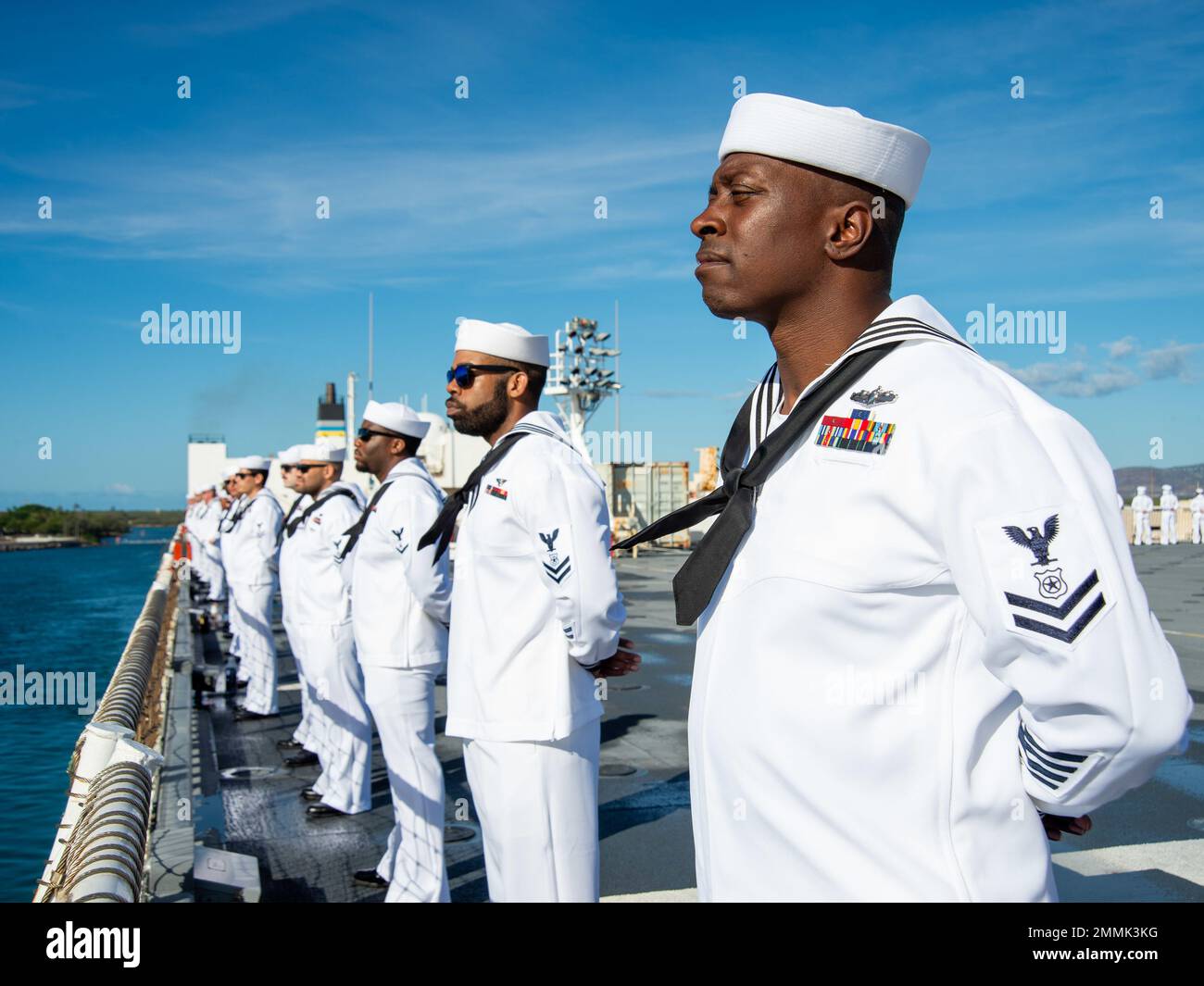
Life aboard a Navy vessel is unlike any civilian occupation. Whether assigned to an aircraft carrier (CVN), a destroyer (DDG), or a submarine, the ship is both a workplace and a home.
The Daily Routine and Watches A sailor’s day is governed by the "Plan of the Day" (POD). Workdays at sea are long, often exceeding 12 to 14 hours. Beyond their primary job responsibilities, every sailor is part of the "watch rotation." Standing watch involves monitoring equipment, guarding the ship, or navigating, usually in four-to-six-hour shifts. This means sleep is often fragmented.
Living Quarters (Berthing) Space is a premium on naval vessels. Sailors can expect to live in "berthing," a shared sleeping area with "racks" (bunks) stacked three high. Each sailor typically has a small locker and a "coffin locker" under their mattress for personal belongings. While modern ships have improved habitability, privacy remains minimal.
Deployment Cycles A standard deployment typically lasts six to nine months, though "double-pumping" (back-to-back deployments) or extensions can occur based on global tensions. During deployment, the ship may visit various international ports, offering sailors the chance to experience different cultures—a major draw for many who join.
Shore Duty and the Sea-Shore Flow
The Navy operates on a Sea-Shore Flow (SSF) system. Sailors rotate between periods of sea duty (assigned to a ship or deployable squadron) and shore duty (assigned to a base or training command).
Shore duty is generally more predictable, resembling a standard 9-to-5 job. This time is often used for pursuing higher education, spending time with family, or attaining advanced certifications. However, the length of these rotations depends heavily on the sailor’s rating and rank. For example, highly technical ratings might spend more time at sea due to manning requirements.
Compensation, Benefits, and 2026 Standards
The Navy provides a comprehensive compensation package that extends beyond the base salary. As of 2026, the military pay scale is adjusted annually for inflation, but the real value lies in the allowances.
| Category | Description |
|---|---|
| Base Pay | Monthly salary based on rank (E-1 to E-9) and years of service. |
| BAH | Basic Allowance for Housing; varies by zip code and dependency status for those living off-base. |
| BAS | Basic Allowance for Subsistence; a monthly stipend for meals. |
| Special Pays | Includes Sea Pay, Submarine Pay, Flight Pay, and Hazardous Duty Incentive Pay. |
| Healthcare | Full coverage via TRICARE for the sailor and subsidized coverage for dependents. |
| Retirement | Access to the Blended Retirement System (BRS) with TSP matching up to 5%. |
In addition to financial compensation, sailors have access to the Tuition Assistance (TA) program and the Post-9/11 GI Bill, which can cover the full cost of a college degree or be transferred to a spouse or child after ten years of service.
Professional Development and Advancement
Advancement in the Navy is a competitive process. For junior sailors (E-1 to E-3), promotion is often based on time-in-rate. However, moving to Petty Officer Third Class (E-4) and above requires passing the Navy-Wide Advancement Exam (NWAE) and maintaining a strong "eval" (performance evaluation).
The Navy’s advancement system rewards technical proficiency and leadership. Sailors are expected to complete "Professional Military Education" (PME) and earn "enlisted warfare pins"—such as the Enlisted Surface Warfare Specialist (ESWS) or Enlisted Aviation Warfare Specialist (EAWS)—which demonstrate a deep understanding of the platform they serve on.
Challenges and Mental Resilience
The Navy life is demanding. The separation from family, the physical rigors of shipboard life, and the high-stakes nature of military operations can be stressful. In 2026, the Navy has expanded its mental health resources, placing "embedded" providers within fleets and offering more robust counseling services. Sailors are encouraged to utilize these resources, as mental resilience is now viewed as a critical component of operational readiness.
Frequently Asked Questions
Can I choose where I am stationed? While you can submit a "dream sheet" of preferred locations during "A" School or when re-enlisting, assignments are ultimately based on the "needs of the Navy." Seniority and rating often play a role in how much influence a sailor has over their duty station.
Is there internet access on ships? Yes, most modern Navy ships have satellite internet. However, bandwidth is limited and often prioritized for official business. During certain tactical maneuvers or "River City" (communications blackout) conditions, all personal internet and phone access is cut off for security reasons.
What are the height and weight requirements? The Navy uses a Body Composition Assessment (BCA) as part of the Physical Readiness Test (PRT). Sailors must maintain a body fat percentage within the standards for their age and gender. Failing the PRT twice within a three-year period can lead to administrative separation.
Can I get tattoos while in the Navy? The Navy has some of the most relaxed tattoo policies of the military branches. Tattoos are generally allowed on the arms, legs, and even a small one on the neck, provided they are not offensive, extremist, or sexist. It is always best to check the latest NAVADMIN (Navy Administrative Message) for current regulations before getting new ink.
How often will I be away from home? Even when not on a major deployment, ships often go out for "workups," which are short training exercises lasting from a few days to several weeks. Expect to spend roughly 25% to 50% of your time away from home while assigned to a sea-going command.
Practical Recommendation for Prospective Sailors
Before heading to the recruiter, focus on two things: physical conditioning and ASVAB preparation. The Navy is increasingly technical; the higher your ASVAB score, the more "Ratings" you will qualify for, which directly impacts your job satisfaction and post-military career opportunities. Additionally, arriving at boot camp in peak physical shape—specifically focusing on running and core strength—will allow you to focus on the mental and academic challenges of training rather than struggling with the physical requirements.
Image Gallery