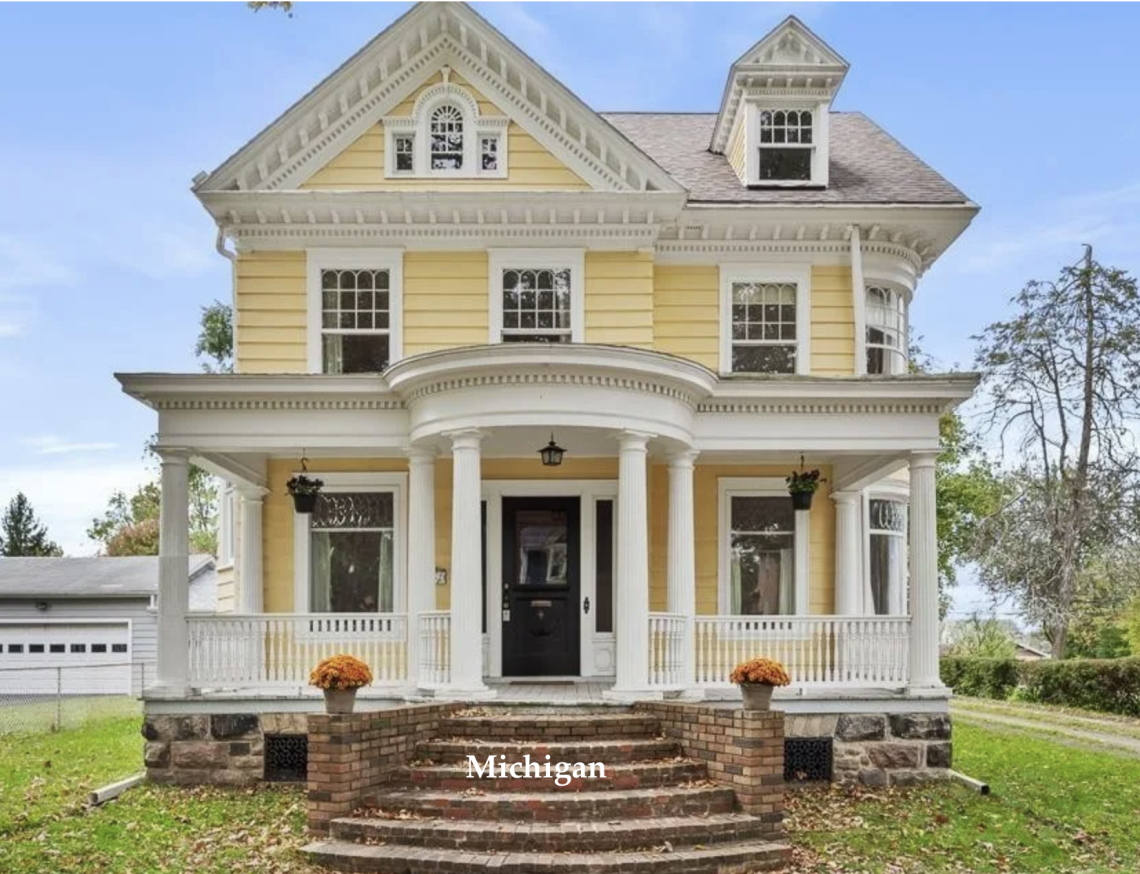
Finding Your Next Home for Sale in Michigan: The 2026 Real Estate Buyer's Guide
Navigating the search for a home for sale in Michigan requires a strategic approach tailored to the state's distinct regional markets, fluctuating inventory levels, and varying seasonal demand. Whether you are targeting the bustling ur...
Navigating the search for a home for sale in Michigan requires a strategic approach tailored to the state's distinct regional markets, fluctuating inventory levels, and varying seasonal demand. Whether you are targeting the bustling urban revival of Detroit, the economic stability of Grand Rapids, or the scenic waterfront properties along the Great Lakes, understanding local property taxes, municipal ordinances, and financing frameworks is essential for a successful transaction in 2026.
Contents
Understanding the Michigan Real Estate Landscape
The Michigan housing market encompasses a diverse array of geographic regions, architectural styles, and community profiles. Buyers must analyze how local economic drivers, such as the automotive manufacturing sector in Metro Detroit, healthcare systems in Ann Arbor and Grand Rapids, and tourism economies in Northern Michigan and the Upper Peninsula, influence property valuations and appreciation rates.
Micro-markets across the state behave independently. While suburban developments in Oakland and Macomb counties frequently experience competitive bidding scenarios for single-family homes, rural townships in Mid-Michigan offer lower density, larger lot sizes, and distinct zoning requirements related to septic systems and well water. Recognizing these structural differences early prevents costly miscalculations during the property search phase.
Key Regional Markets and Average Property Dynamics
| Region / Market Area | Primary Economic Driver | Typical Property Types | Average Market Dynamics (2026) |
|---|---|---|---|
| Metro Detroit (Wayne, Oakland, Macomb) | Automotive, Tech, Healthcare | Colonials, Split-Levels, Urban Condos | Moderate to high competition; steady inventory replenishment. |
| West Michigan (Grand Rapids, Holland) | Manufacturing, Furniture, Education | Craftsman, Traditional Subdivisions | High demand; rapid absorption rates for mid-tier housing. |
| Mid-Michigan (Lansing, East Lansing) | State Government, Higher Education | Mid-Century Ranch, Urban Townhomes | Stable pricing; balanced inventory between buyers and sellers. |
| Southeast Michigan (Ann Arbor, Ypsilanti) | Research, Higher Education, Tech | Historic Homes, Modern Townhouses | Premium pricing; low inventory relative to buyer demand. |
| Northern Michigan & Upper Peninsula | Tourism, Timber, Healthcare | Waterfront Cabins, Acreage, Vacation Homes | Seasonal fluctuations; high interest in second-home properties. |
Financial Preparation and Mortgage Requirements
Securing financing for a home for sale in Michigan begins long before submitting an offer. Lenders operating within the state evaluate credit profiles, debt-to-income (DTI) ratios, and liquid asset reserves against strict underwriting standards. Conventional loans require a minimum credit score typically starting at 620, while FHA loans accommodate scores down to 580 with a 3.5% down payment.
Michigan home buyers should also investigate state-specific assistance programs managed by the Michigan State Housing Development Authority (MSHDA). MSHDA provides down payment assistance (DPA) loans and mortgage credit certificates (MCC) designed to lower tax liability for first-time and qualified repeat buyers, significantly improving homeownership accessibility across urban and rural municipalities.
Essential Steps for Financial Readiness
- Obtain Full Underwriting Pre-Approval: Move beyond a simple pre-qualification letter by submitting tax returns, W2s, and bank statements to a licensed mortgage loan officer to generate a verified pre-approval letter.
- Calculate Total Debt-to-Income Ratio: Ensure your recurring monthly debt payments, including prospective mortgage principal, interest, taxes, and insurance (PITI), do not exceed lender thresholds, which typically cap total DTI at 43% to 45% for conventional loans.
- Establish an Emergency Reserve Fund: Budget for closing costs, which generally range from 2% to 5% of the purchase price, alongside a dedicated maintenance fund for immediate post-purchase repairs.
Legal Disclosures and Property Inspection Protocols
Michigan real estate transactions operate under strict statutory disclosure laws. The Michigan Seller Disclosure Act requires property sellers to provide prospective buyers with a completed Seller's Disclosure Statement detailing the physical condition of the roof, basement, plumbing, electrical systems, and environmental hazards such as lead-based paint or radon.
Due diligence extends beyond reviewing the seller's disclosures. Engaging a certified home inspector affiliated with organizations like the American Society of Home Inspectors (ASHI) is a critical safeguard. Given Michigan's four-season climate, specialized inspections—such as sewer scope evaluations, radon gas testing, and roof integrity assessments—are highly recommended to identify hidden liabilities before the contingency period expires.
Critical Inspection Checkpoints in Michigan
- Foundation and Basement Integrity: Inspect concrete block or poured foundations for hydrostatic pressure cracks, water seepage, and sump pump functionality, especially in regions with high water tables.
- Roof and Attic Ventilation: Evaluate shingle lifespan, flashing around chimneys, and attic insulation levels to prevent ice damming during harsh winter months.
- HVAC Performance: Verify the operational efficiency of forced-air furnaces, boilers, and central air conditioning systems to ensure adequate climate control capacity.
- Well and Septic Compliance: For properties outside municipal utility districts, mandate county health department point-of-sale inspections for septic tank integrity and well water potability.
Navigating Property Taxes and Municipal Assessments
Property tax calculations in Michigan are uniquely structured under the Proposal A legislative framework, which caps the growth of taxable value (TV) at the consumer price index or 5%, whichever is lower, until a property is sold. Upon transfer of ownership, the taxable value uncaps in the calendar year following the sale, resetting to match the state equalized value (SEV), which theoretically represents 50% of the true market value.
Buyers must calculate their projected post-sale property taxes rather than relying solely on the current owner's tax bill. Local millage rates vary significantly between townships, villages, and cities, impacting long-term monthly housing costs. Utilizing municipal online assessing databases allows buyers to review historical tax assessments and calculate accurate future liabilities.
Step-by-Step Home Buying Process in Michigan
Successfully acquiring residential real estate requires strict adherence to contractual timelines and negotiation strategies. Follow this structured roadmap to navigate the purchase lifecycle from initial search to closing day.
- Step 1: Define Search Parameters and Secure Representation: Partner with a licensed REALTOR who possesses deep hyper-local expertise in your target Michigan county or municipality.
- Step 2: Tour Properties and Analyze Comparables: Attend open houses and private showings, evaluating properties against recent comparable sales (comps) to determine fair market value.
- Step 3: Draft and Submit a Purchase Agreement: Work with your agent to structure a legally binding real estate purchase agreement, incorporating necessary contingencies for financing, appraisal, and physical inspections.
- Step 4: Execute Earnest Money Deposit: Deposit earnest money (typically 1% to 3% of the purchase price) into an escrow account held by the listing brokerage or title company within the timeframe specified in the contract.
- Step 5: Complete Due Diligence and Title Search: Conduct physical inspections, negotiate necessary repairs or credits, and review the title commitment to ensure the property is free of liens and encumbrances.
- Step 6: Final Walkthrough and Closing: Perform a pre-closing walkthrough to verify property condition, sign final loan documents at the title company, and receive the keys upon recording.
Comparing Purchase Strategies: Existing Homes vs. New Construction
Choosing between an established resale property and newly constructed housing involves distinct trade-offs regarding location, customization, maintenance costs, and upfront capital requirements.
| Feature / Factor | Existing / Resale Homes | New Construction Homes |
|---|---|---|
| Location & Maturity | Established neighborhoods with mature trees, sidewalks, and proximity to urban centers. | Typically located in developing suburban subdivisions or rural outskirts. |
| Customization | Requires remodeling or updating to match personal aesthetic preferences. | High degree of customization during the pre-construction building phase. |
| Immediate Maintenance | Higher probability of near-term repairs (roof, HVAC, plumbing replacement). | Covered by builder warranties; lower immediate maintenance liability. |
| Energy Efficiency | Variable efficiency depending on age; may require insulation upgrades. | Built to modern Michigan Energy Code standards with high-efficiency systems. |
| Transaction Complexity | Standardized purchase agreement; shorter closing timelines (30 to 45 days). | Complex builder contracts; longer construction timelines (6 to 12 months). |
Frequently Asked Questions
What disclosures are legally required when buying a home in Michigan?
Sellers must provide a written Seller's Disclosure Statement detailing known structural, mechanical, and environmental defects. Additionally, federal law mandates lead-based paint disclosures for any residential housing constructed prior to 1978.
How are property taxes recalculated after purchasing a home in Michigan?
Under Proposal A, the taxable value of a property is uncapped in the calendar year following the sale, resetting to equal the state equalized value, which often results in a higher tax bill than the previous owner paid.
What is MSHDA and how does it help home buyers?
MSHDA (Michigan State Housing Development Authority) is a state agency that offers fixed-rate mortgages combined with down payment assistance loans to eligible low- and moderate-income home buyers across Michigan.
Are well and septic inspections mandatory for Michigan real estate transactions?
While state law does not universally mandate well and septic inspections for all sales, many local county health departments require point-of-sale evaluations, and mortgage lenders frequently mandate them as a loan condition.
How do seasonal market trends affect home buying in Michigan?
Spring and summer traditionally exhibit high inventory levels alongside increased buyer competition and higher list prices. Autumn and winter often feature reduced inventory but offer opportunities for less aggressive competition from other buyers.
What contingencies should be included in a Michigan purchase agreement?
Standard protective contingencies include a financing contingency, an appraisal contingency, a home inspection contingency, and, where applicable, a sale-of-current-home contingency.
Strategic Real Estate Action Plan
Begin your search for a home for sale in Michigan by establishing a disciplined budget, obtaining formal mortgage pre-approval, and defining your non-negotiable geographic and property criteria. Connect with an experienced local real estate professional who understands municipal nuances, tax structures, and competitive offer strategies to secure your ideal property efficiently.
Image Gallery