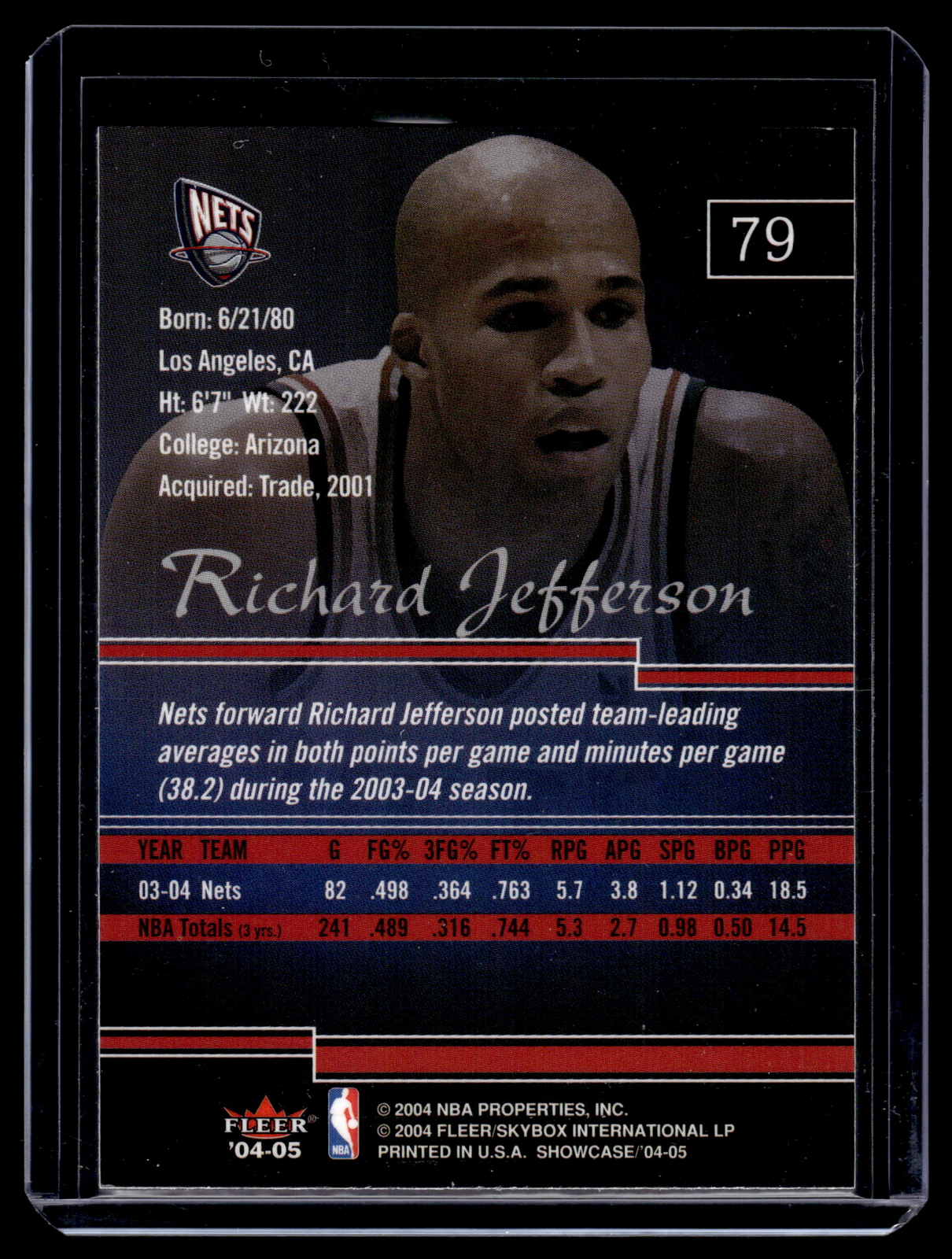
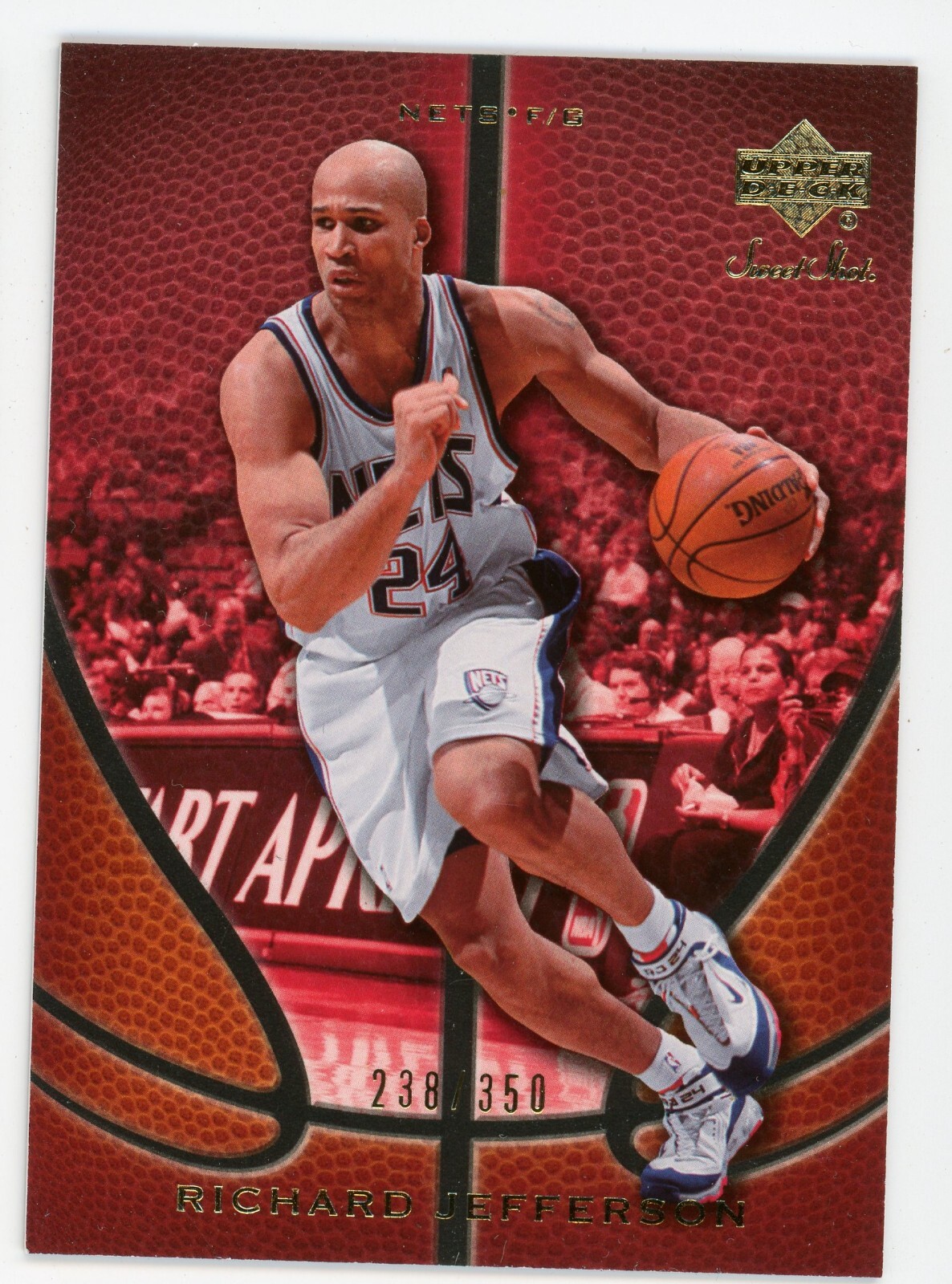
Analyzing the Net Worth and Financial Trajectory of Richard Jefferson
Richard Jefferson’s estimated net worth is approximately $60 million to $75 million as of 2026, accumulated through a successful 17-season NBA career, subsequent broadcasting roles, and various business ventures. His wealth is primaril...
Richard Jefferson’s estimated net worth is approximately $60 million to $75 million as of 2026, accumulated through a successful 17-season NBA career, subsequent broadcasting roles, and various business ventures. His wealth is primarily a product of long-term professional sports contracts, supplemented by high-profile media positions and strategic post-retirement investments in the sports and entertainment sectors.
Contents
The Foundation of Wealth: A Storied NBA Career
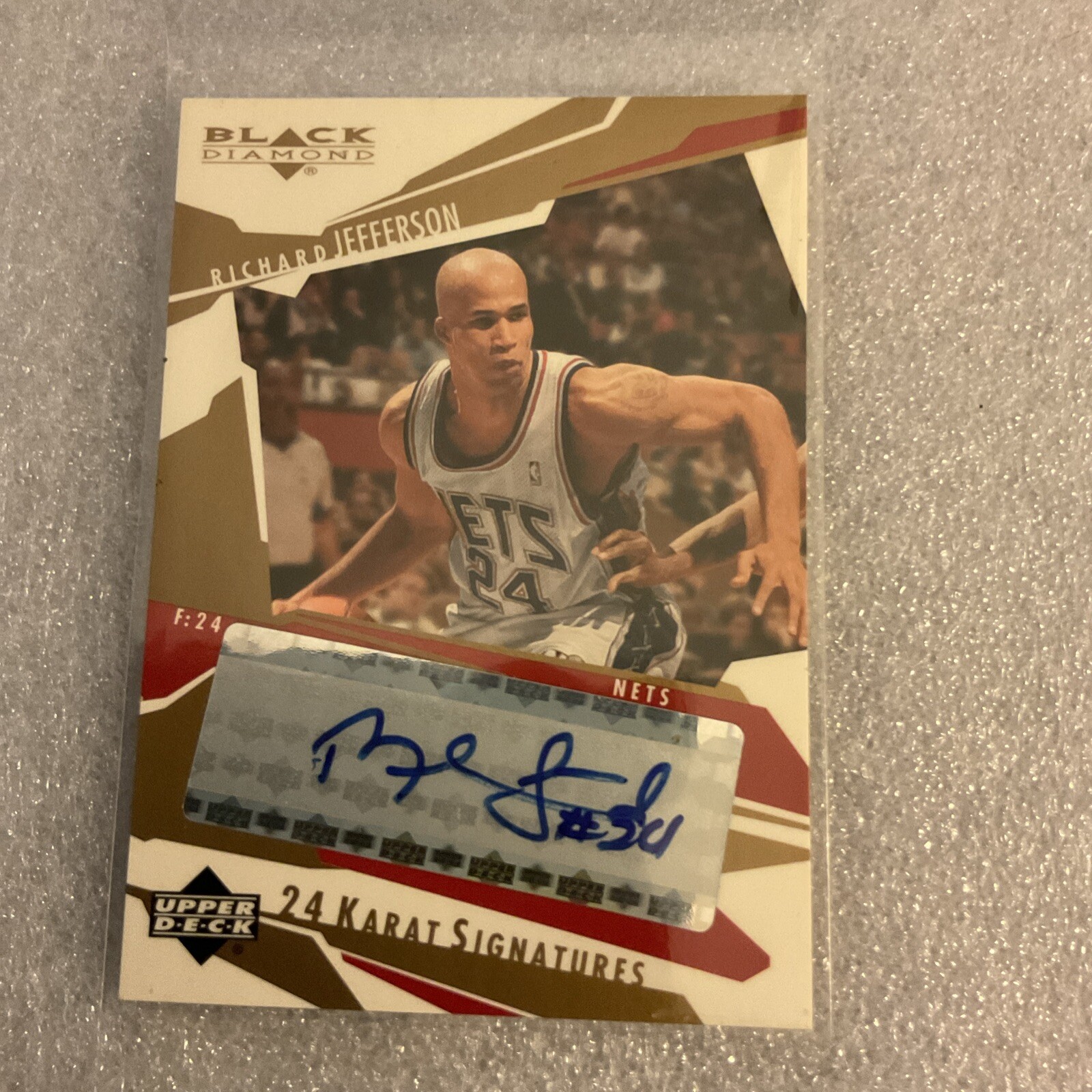
To understand Richard Jefferson’s financial standing, one must first examine his tenure in the National Basketball Association (NBA). Drafted 13th overall in 2001 by the Houston Rockets—though immediately traded to the New Jersey Nets—Jefferson played for multiple franchises, including the Milwaukee Bucks, San Antonio Spurs, Golden State Warriors, Utah Jazz, Dallas Mavericks, Cleveland Cavaliers, and Denver Nuggets.
During his career, which spanned from 2001 to 2018, Jefferson earned significant salary capital. His early success with the New Jersey Nets, where he appeared in back-to-back NBA Finals in 2002 and 2003, solidified his market value. During his prime, he signed lucrative long-term extensions. According to historical contract data from Spotrac, Jefferson’s career NBA earnings are estimated to exceed $114 million in gross salary alone.
It is important to note that gross salary figures are not equivalent to net wealth. Players face significant deductions including federal and state income taxes (often exceeding 40-50% depending on the jurisdiction), agent fees (typically 3-4%), and union dues. Furthermore, the longevity of his career—17 seasons—allowed him to capitalize on the rising salary cap eras of the mid-2010s, ensuring he remained a high-earner well into his late 30s.
Transitioning to Media and Broadcasting
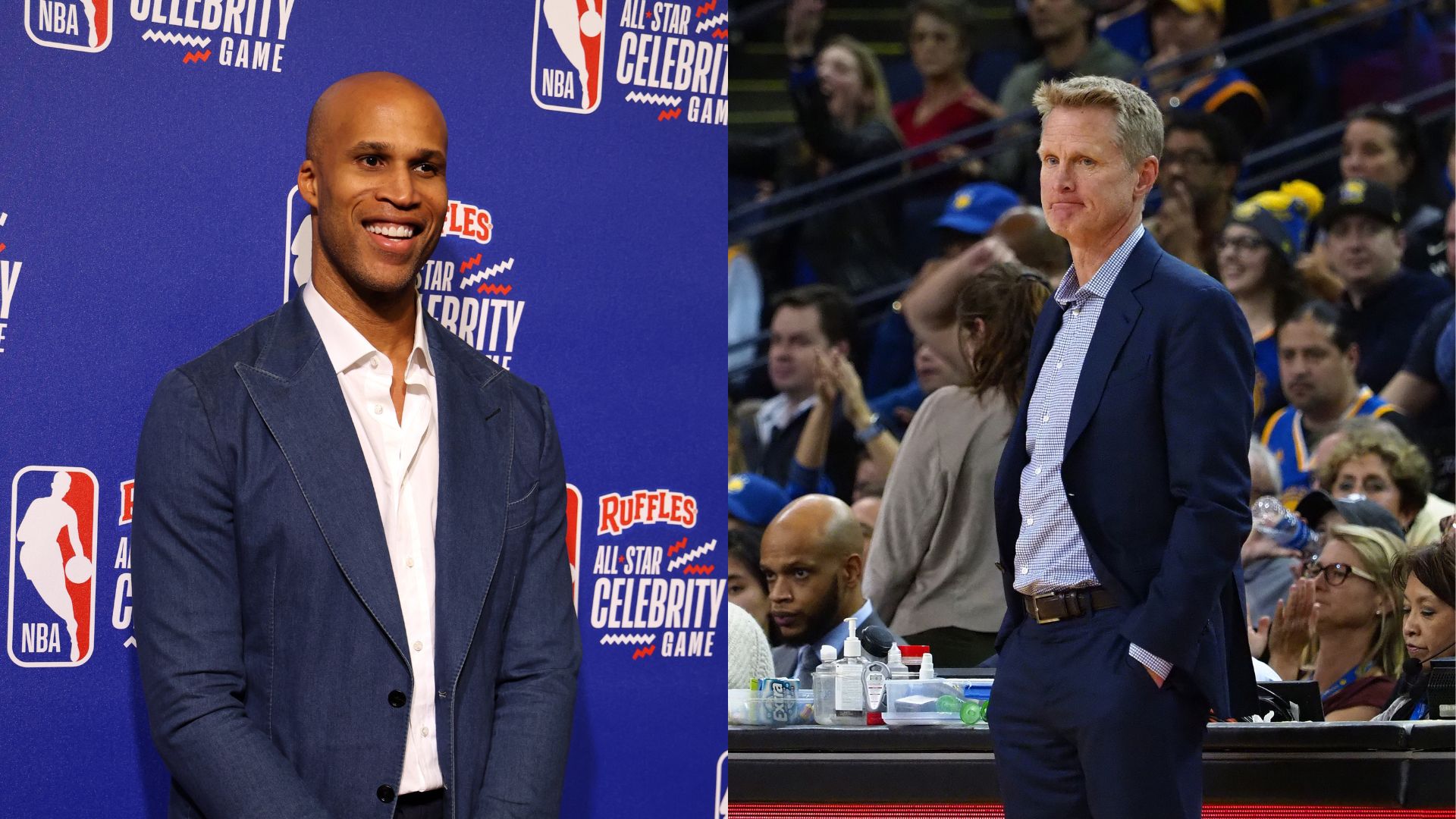
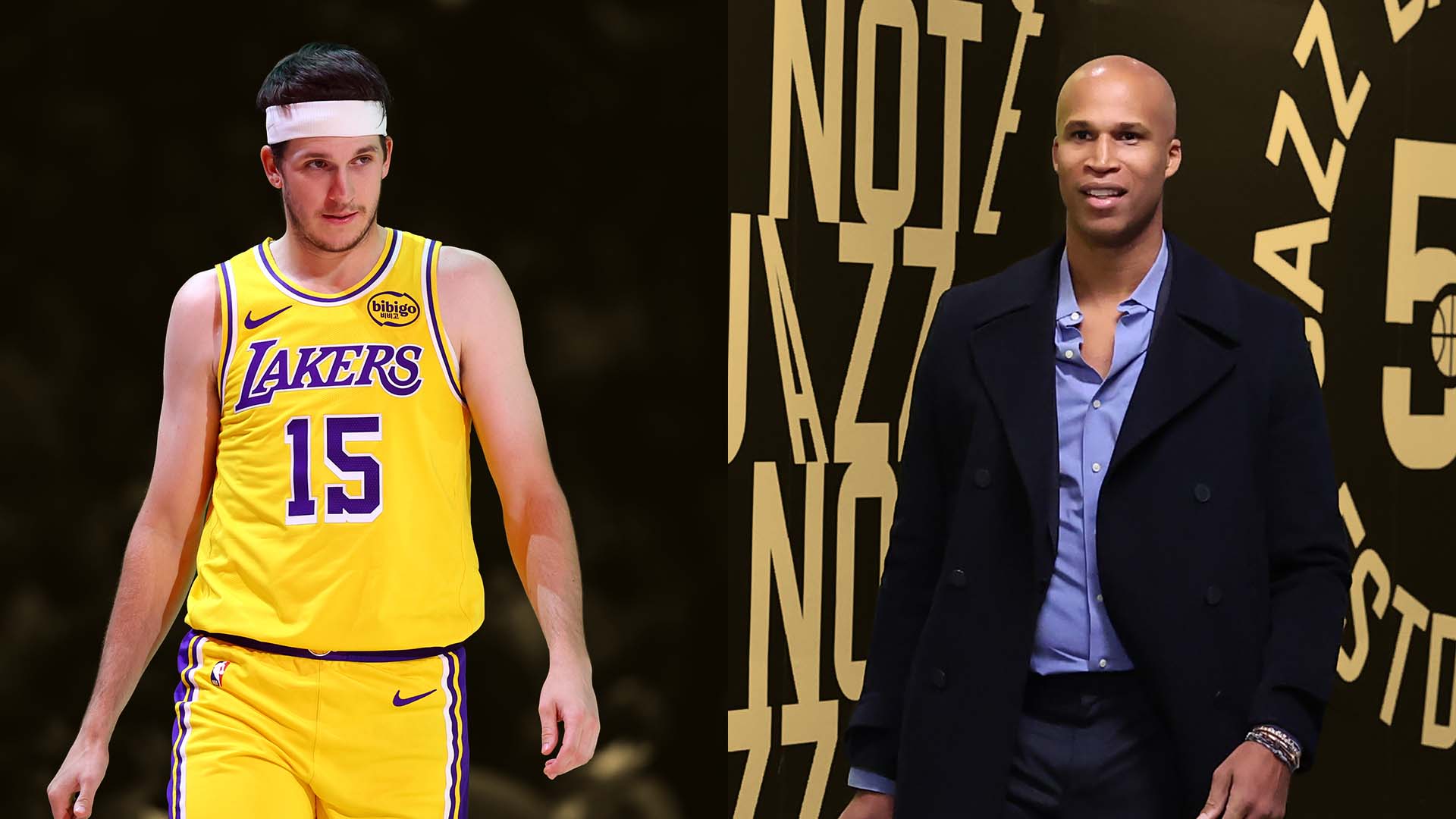
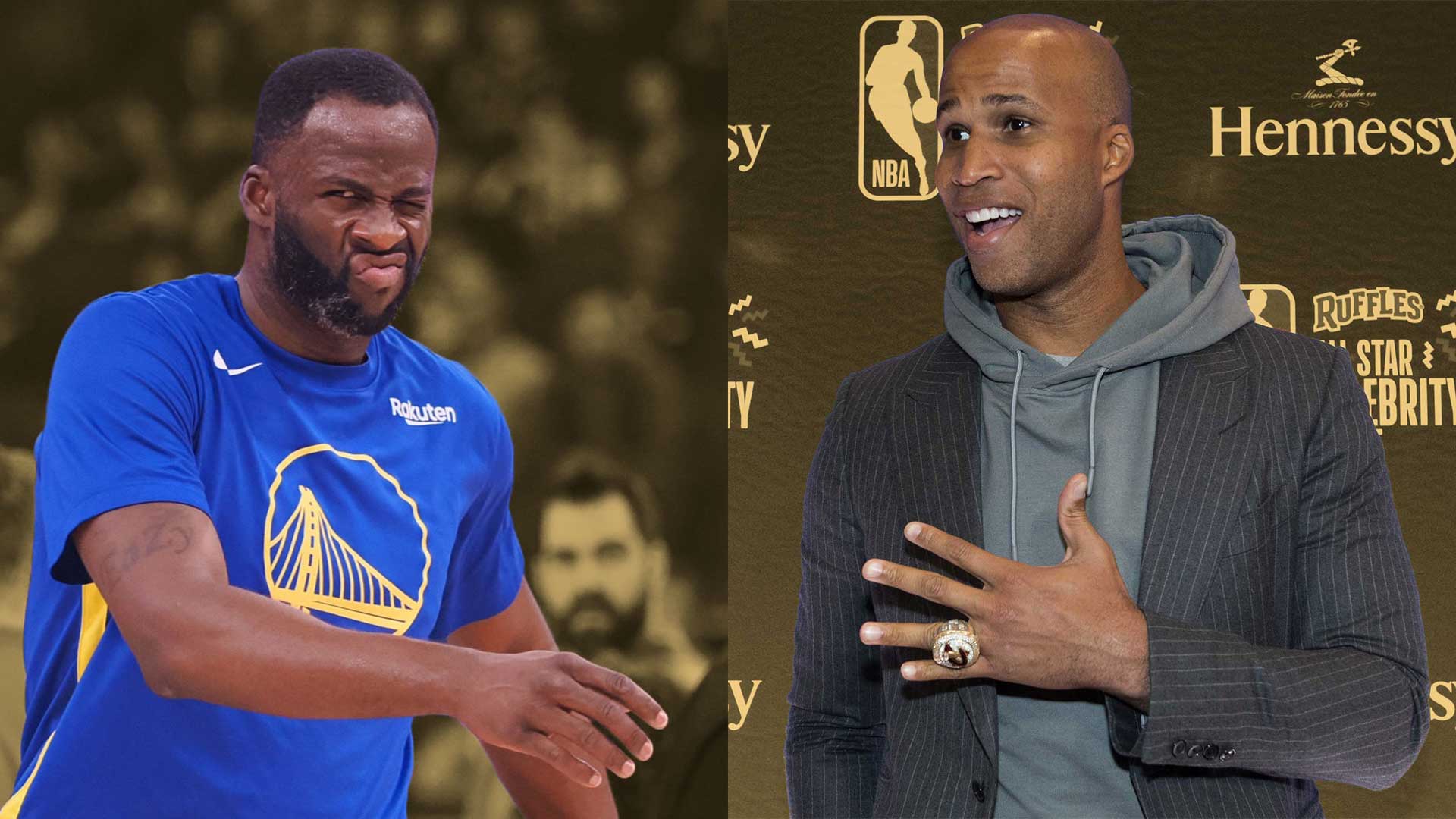
Following his retirement in 2018, Jefferson pivoted into a successful career in sports media. Unlike many retired athletes who struggle to secure stable post-playing income, Jefferson became a fixture at ESPN and other major networks. His roles include serving as a game analyst and a prominent voice on studio programs such as NBA Today and Get Up.
Media contracts for high-level analysts at major networks like ESPN are substantial, often reaching into the seven-figure range annually. This shift provided a stable, long-term revenue stream that bolstered his wealth after his playing days ended. By establishing himself as a charismatic and knowledgeable personality, Jefferson has ensured that his brand remains active, further insulating his finances from the volatility often seen in retired professional athletes.
Investment Philosophy and Diversification
While sports and broadcasting form the bedrock of his financial status, professional athletes of Jefferson’s caliber frequently diversify their holdings to protect against inflation and ensure long-term growth. Diversification typically involves a mix of real estate holdings, private equity, and potential venture capital investments.
Jefferson has historically been vocal about the importance of financial literacy among young players. This focus on "smart money" often involves working with financial advisors to structure wealth in tax-efficient ways and investing in passive income assets. Although specific private portfolio details are rarely made public, the standard trajectory for high-net-worth individuals in the professional sports industry includes:
- Real Estate Portfolios: Acquisition of high-value residential or commercial properties in major markets like New York, Los Angeles, and Cleveland.
- Media Ventures: Leveraging his own likeness and experience to create content or partner with production companies.
- Endorsement Continuity: Maintaining relationships with sportswear brands and corporate sponsors that extend beyond active competition.
Comparative Financial Context in the NBA
Understanding where Jefferson sits in the broader hierarchy of NBA wealth requires looking at the contrast between short-term stars and long-term veterans.
| Category | Typical Revenue Source | Financial Impact |
|---|---|---|
| Rookie Contract | Initial NBA Draft entry | Lower relative, high potential |
| Prime Career | Max extensions, endorsements | Peak capital accumulation |
| Media Transition | Salary and appearance fees | Long-term stability |
| Private Equity | Investments and ventures | Passive wealth appreciation |
Jefferson’s career path is considered a "success model" within the league. He avoided the common traps of insolvency by maintaining a consistent career trajectory, diversifying into media before his relevance faded, and leveraging his public persona to maintain relevance in 2026.
Financial Literacy and Professional Oversight
A recurring theme in analyses of Jefferson’s career is his emphasis on education. Having seen teammates face financial ruin due to mismanagement, Jefferson has often spoken about the "hidden costs" of an NBA lifestyle. These costs include:
- Maintenance and Lifestyle Creep: High expenditure on entourages, travel, and luxury assets that do not appreciate in value.
- Tax Jurisdiction Complexities: Because NBA players are taxed in every state they play games in, the complexity of tax filing is immense. Professional oversight for these individuals is a non-negotiable expense.
- Post-Career Runway: Transitioning from an $8 million annual salary to a salary based on market-rate broadcasting roles requires significant lifestyle adjustments, which Jefferson successfully navigated.
Addressing Common Questions
How much did Richard Jefferson make in his final year of professional basketball? In his final season (2017-2018 with the Denver Nuggets), Jefferson earned a base salary of approximately $2.3 million. This was a significant reduction from his peak earning years, which serves as a prime example of why long-term wealth management is necessary for athletes.
Is Richard Jefferson’s net worth purely from his NBA playing salary? No. While his playing salary represents the majority of his career gross income, his current net worth is sustained and grown through his ongoing media contracts, business investments, and public speaking engagements that have continued for nearly a decade post-retirement.
Why are there varying estimates for his net worth online? Net worth is an estimate, not an official accounting figure. Discrepancies exist because public sources cannot calculate exact tax liabilities, private investment gains/losses, or personal spending habits. The range of $60M–$75M reflects an assessment of his total lifetime earnings, career length, and consistent presence in high-paying media roles.
How do professional athletes typically protect their wealth after retirement? Most athletes utilize a team of wealth managers, estate lawyers, and accountants. Strategies often focus on tax-advantaged vehicles, diversified index funds, and low-risk commercial real estate holdings to ensure the capital generated during their brief playing window remains viable for decades.
Does Richard Jefferson hold any NBA coaching or executive roles? As of 2026, Jefferson has largely focused on media rather than front-office or coaching positions. While he possesses the basketball IQ for such roles, his current focus remains on his role as a prominent sports broadcaster and content creator.
Recommendation for Further Financial Insight
If you are researching the financial trajectories of athletes, it is highly recommended to examine the public filings of professional sports associations and reputable financial tracking publications such as Forbes or Sportico. These organizations provide periodic reports on the earnings and tax-adjusted wealth of retired professional athletes. For individuals seeking to manage their own personal wealth, consulting with a certified financial planner (CFP) who specializes in high-net-worth management is the most effective next step toward securing long-term assets.
Image Gallery