Durham County Inmate Search: Official Roster, Booking Records, and Custody Information
To perform a Durham County inmate search in North Carolina, access the Durham County Sheriff’s Office official online inmate roster or call the Durham County Detention Center directly at (919) 560-0912. The public database provides rea...
To perform a Durham County inmate search in North Carolina, access the Durham County Sheriff’s Office official online inmate roster or call the Durham County Detention Center directly at (919) 560-0912. The public database provides real-time information regarding current arrestees, booking photos, pending criminal charges, court dates, and assigned bail amounts.
Contents
Understanding Durham County Detention and Public Records Access
The Durham County Sheriff’s Office operates the Durham County Detention Center, located in downtown Durham, North Carolina. This facility serves as the primary intake and holding location for individuals arrested by local law enforcement agencies, including the Durham Police Department, North Carolina Highway Patrol, Duke University Police Department, and the Durham County Sheriff’s Office.
Under the North Carolina General Statutes (NCGS § 132), public records law mandates that arrest records, booking logs, and custody status reports remain accessible to the public, subject to statutory exemptions protecting ongoing criminal investigations or juvenile records. The records maintained within the county detention system reflect individuals currently held pretrial, prisoners awaiting transfer to state facilities, and individuals serving local short-term sentences for misdemeanor offenses.
It is critical to distinguish between county-level detention and state-level correctional housing:
- Durham County Detention Center: Houses individuals pending trial, held on extradition warrants, awaiting sentencing, or serving misdemeanor sentences under 180 days.
- North Carolina Department of Adult Correction (NC DAC): Manages post-conviction state prison facilities for individuals sentenced to longer terms of incarceration following felony convictions.
- Federal Bureau of Prisons (BOP): Retains jurisdiction over individuals charged with or convicted of federal offenses, who may temporarily be housed in county facilities under federal contract.
How to Conduct a Durham County Inmate Search Step-by-Step
Locating an incarcerated individual within the Durham County custody system requires navigating the public database maintained by local law enforcement authorities. Following a structured procedure ensures accurate retrieval of custody status.
Step 1: Gather Necessary Identifying Information
Before initiating a search, assemble specific details regarding the individual. While a full legal name can produce results, additional identifiers eliminate confusion caused by common names:
- Full legal first and last name (including accurate spelling)
- Date of birth
- Booking number or identification number (if known)
- Approximate arrest date
Step 2: Access the Official Search Tools
Searchers have two primary official avenues to locate an inmate in Durham County:
- Durham County Sheriff’s Office Online Inmate Roster: The primary web portal allows real-time querying of the active facility roster. Database records update periodically throughout the day as processing center staff complete booking and release operations.
- Telephone Access: For immediate assistance or for individuals without internet access, contacting the Detention Center Information Desk at (919) 560-0912 connects users to detention staff who can confirm custody status.
Step 3: Filter and Review Search Results
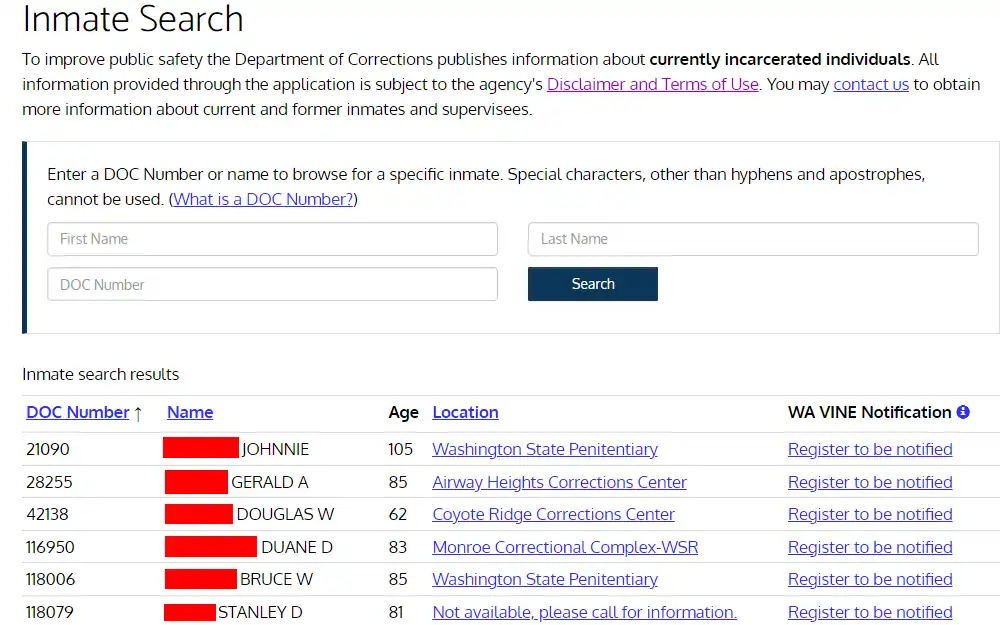
When using the online lookup tool, inputting the last name generates a list of active detainees. Click on the individual's record to expand the detailed profile. If the individual does not appear on the roster, verify whether the arrest occurred recently—intake processing often requires several hours before public records populate the digital database.
Key Information Included in Durham County Custody Records
A complete inmate record within the Durham County public database contains comprehensive details regarding an arrestee’s status and legal standing. Reviewing these fields helps family members, legal counsel, and public researchers understand the individual’s immediate situation.
| Record Field | Information Provided | Operational Context |
|---|---|---|
| Inmate Identification | Full name, age, gender, race, booking number | Unique identifiers used by county staff to track inmates within the facility. |
| Booking Detail | Date and time of intake, arresting agency | Timestamps showing precisely when the subject entered county custody. |
| Current Charges | Specific statute numbers, charge descriptions, offense level | Distinguishes between misdemeanor and felony allegations. |
| Bond Status | Bond type (Secured/Unsecured/Cash), total financial requirement | Set by a magistrate or judge determining conditional release criteria. |
| Court Scheduling | Next court date, hearing type, assigned courtroom | Indicates when the inmate must appear before a District or Superior Court judge. |
| Housing Location | Assigned housing pod or classification block | Internal facility routing for administrative and security management. |
Bail, Bond, and Release Procedures in Durham County
Securing the release of an individual held at the Durham County Detention Center requires satisfying the bond conditions established by a North Carolina magistrate or presiding judge.
Bond determinations occur shortly after booking during an initial appearance. The Durham County Magistrate's Office operates continuous 24-hour service to process bail payments and issue release orders.
Types of Bond in North Carolina
- Written Promise to Appear (Unsecured): The defendant signs a release agreement without paying money upfront. If they fail to appear in court, they become liable for the specified monetary penalty.
- Secured Bond: Requires financial collateral or cash paid prior to release. This can be fulfilled through a cash payment of the full amount, a real property bond, or by employing a licensed bail bondsman who charges a non-refundable fee (typically up to 15% under state law).
- Cash Bond: The full bond amount must be paid directly to the court or magistrate in cash or cashier's check. The funds are held by the clerk of court and returned at the conclusion of the case, minus administrative fees, provided the defendant attends all mandatory court sessions.
- Custody Release: Release into the custody of a designated individual or supervising organization, common in specific pretrial diversion programs.
Steps to Post Bail at the Detention Center
- Verify the Exact Bond Amount: Confirm the bond type and dollar figure through the online inmate search portal or by calling the magistrate’s office.
- Locate the Magistrate’s Office: The magistrate is situated adjacent to the processing division at the Durham County Detention Center (217 S. Mangum Street, Durham, NC 27701).
- Provide Payment and Identification: Present valid government-issued photo identification along with the exact funds (cashier's check, cash, or verified electronic payment where accepted).
- Complete Release Documentation: Sign necessary bail paperwork. Once processed by the magistrate, detention personnel complete physical discharge procedures, which typically require one to four hours depending on facility volume.
Inmate Communication, Visitation, and Account Funding
Maintaining contact with an incarcerated family member or client requires adherence to strict facility regulations established by the Durham County Sheriff’s Office.
Video Visitation Rules
Physical, face-to-face contact visits are generally restricted for standard detainees. Inmate visitation takes place primarily through a secure video system:
- Onsite Visitation: Kiosks located in the detention center lobby allow visitors to speak with inmates remotely at scheduled times. Advanced registration is mandatory.
- Remote Video Visitation: Friends and family can schedule and conduct video visits from home using approved third-party communications vendors (such as ViaPath Technologies / GTL). Applicable usage fees apply per minute.
- Visitor Identification: All adult visitors must register using a valid state ID, driver's license, or passport. Minors must be accompanied by an adult guardian.
Phone Services and Account Management
Inmates cannot receive incoming phone calls. To make outgoing calls, inmates use an automated telephone network. Options include:
- Collect Calls: Receiver accepts phone charges on their landline service bill.
- Prepaid Calling Accounts: Family members create an advance account through the contracted telecommunications provider (PayTel or equivalent county vendor) to fund incoming calls to specific phone numbers.
- PIN Debit Accounts: Inmates purchase phone credits directly using funds transferred from their personal inmate trust/commissary account.
Mail Guidelines
All non-legal mail sent to inmates at the Durham County Detention Center must strictly adhere to security standards. Mail is typically routed through a digital scanning system where physical items are scanned and delivered electronically to the inmate's housing unit kiosk.
- Addressing Format: Include the inmate’s full legal name, booking number, and the official mailing address specified by the detention center.
- Prohibited Mail Items: Expressly banned items include polaroid photographs, padded envelopes, cards with glitter or glue, metallic elements, cash, personal checks, or any contraband. Legal mail from attorney-of-record receives confidential physical inspection in the inmate's presence.
Funding Commissary Accounts
Inmates utilize trust accounts to purchase food items, hygiene products, stationary, and OTC medications. Deposits can be made via:
- Lobby Kiosk: Located inside the main entrance of the Durham County Detention Center; accepts cash, credit cards, and debit cards.
- Online Deposits: Available 24/7 through the approved financial vendor portal associated with the Sheriff’s Office.
- Money Orders: Must be sent according to strict financial intake guidelines with the inmate's booking number written clearly in the memo field.
Inmate Record Access Across Local, State, and Federal Facilities
Knowing where an individual is housed ensures search efforts are targeted effectively. The operational frameworks of county, state, and federal custody systems differ significantly.
| System / Facility | Governing Agency | Primary Purpose | Information Portal |
|---|---|---|---|
| Durham County Detention Center | Durham County Sheriff’s Office | Pretrial intake, local misdemeanors, judicial holds | Durham County Sheriff Online Roster / Phone Lookup |
| NC State Prisons | NC Department of Adult Correction (DAC) | Sentenced felons serving state prison terms | NC DAC Offender Public Information Search |
| Federal Facilities | Federal Bureau of Prisons (BOP) | Pretrial & sentenced federal defendants | Federal BOP Inmate Locator (By Register Number) |
| North Carolina Juvenile Justice | NC DAC Division of Juvenile Justice | Minors under juvenile jurisdiction | Confidential (Not accessible via public record) |
Troubleshooting Inmate Search Issues
When an individual does not appear on the Durham County public inmate roster despite an arrest occurring within the county, several factors may explain the absence of records.
Delayed Processing and Intake Bottlenecks
During periods of high arrest activity, intake processing experiences delays. An arrestee must complete fingerprinting, mugshot capturing, medical screening, and magistrate processing before their profile converts to "active custody" in the public system. This sequence can take anywhere from two to six hours.
Medical or Mental Health Holds
If an arrestee requires immediate emergency medical care or psychological assessment prior to intake, law enforcement transports the individual directly to a regional medical facility (such as Duke University Hospital or Durham Regional Hospital). The inmate record may not post to the active roster until official discharge and transfer back to the detention center.
Transfers to External Jurisdictions
Individuals arrested in Durham County on out-of-county warrants or federal detainers may be transferred quickly to neighboring county facilities (such as Wake or Orange County Jails), North Carolina State Prisons, or federal custody. In these cases, check the respective county or state database.
Juvenile Record Confidentiality
Under North Carolina juvenile justice laws, individuals under the age of 18 processed through the juvenile court system are protected by strict privacy statutes. Juvenile custody status, detainment locations, and court proceedings are confidential and explicitly excluded from public inmate search portals.
Frequently Asked Questions
How long does it take for a newly arrested individual to appear in the Durham County inmate search?
Arrest records typically update online within two to six hours after booking is completed. Delays occur if the facility is experiencing high booking volume or if the arrestee requires medical evaluation prior to intake.
Can I search for historical arrest records of someone previously released from Durham County Detention Center?
The online inmate search tool primary tracks individuals currently in active custody. To obtain historical arrest logs or criminal court records for past offenses, request public court documents directly through the Durham County Clerk of Superior Court at the Durham County Judicial Center.
How do I schedule a visitation with an inmate at the Durham County Detention Center?
Visits must be scheduled in advance using the official video visitation portal provided by the county's communications vendor or at the lobby kiosk. Visitors must complete identity registration prior to selecting an available visitation time slot.
What is the difference between a secured and unsecured bond in Durham County?
A secured bond requires upfront payment of cash or collateral through a licensed bail bondsman before an inmate can be released. An unsecured bond allows the inmate to be released on a signed promise to appear without paying money upfront, though failing to appear results in a financial judgment for the full amount.
How do I deposit money into an inmate’s commissary account?
Funds can be deposited online via the contracted electronic payment service, at the cash/card kiosk located in the Durham County Detention Center lobby, or by mailing an approved money order following facility processing rules.
Recommended Actions for Locating Inmates and Securing Assistance
When searching for an incarcerated individual or managing legal release in Durham County, following a organized approach yields the fastest outcome:
- Check the Official Roster: Run a preliminary lookup using the Durham County Sheriff's online database using exact legal names.
- Contact Detention Control: If the search yields no results but an arrest is confirmed, call the Detention Center main desk at (919) 560-0912 to check intake queues.
- Confirm Bond Details with the Magistrate: For immediate release attempts, visit or call the Durham County Magistrate's Office to determine the precise bond type, required bail amount, and court scheduling.
- Engage Qualified Legal Counsel: Retain a licensed criminal defense attorney admitted to practice in North Carolina District and Superior Courts to represent the arrestee during initial bond reduction hearings.
Image Gallery