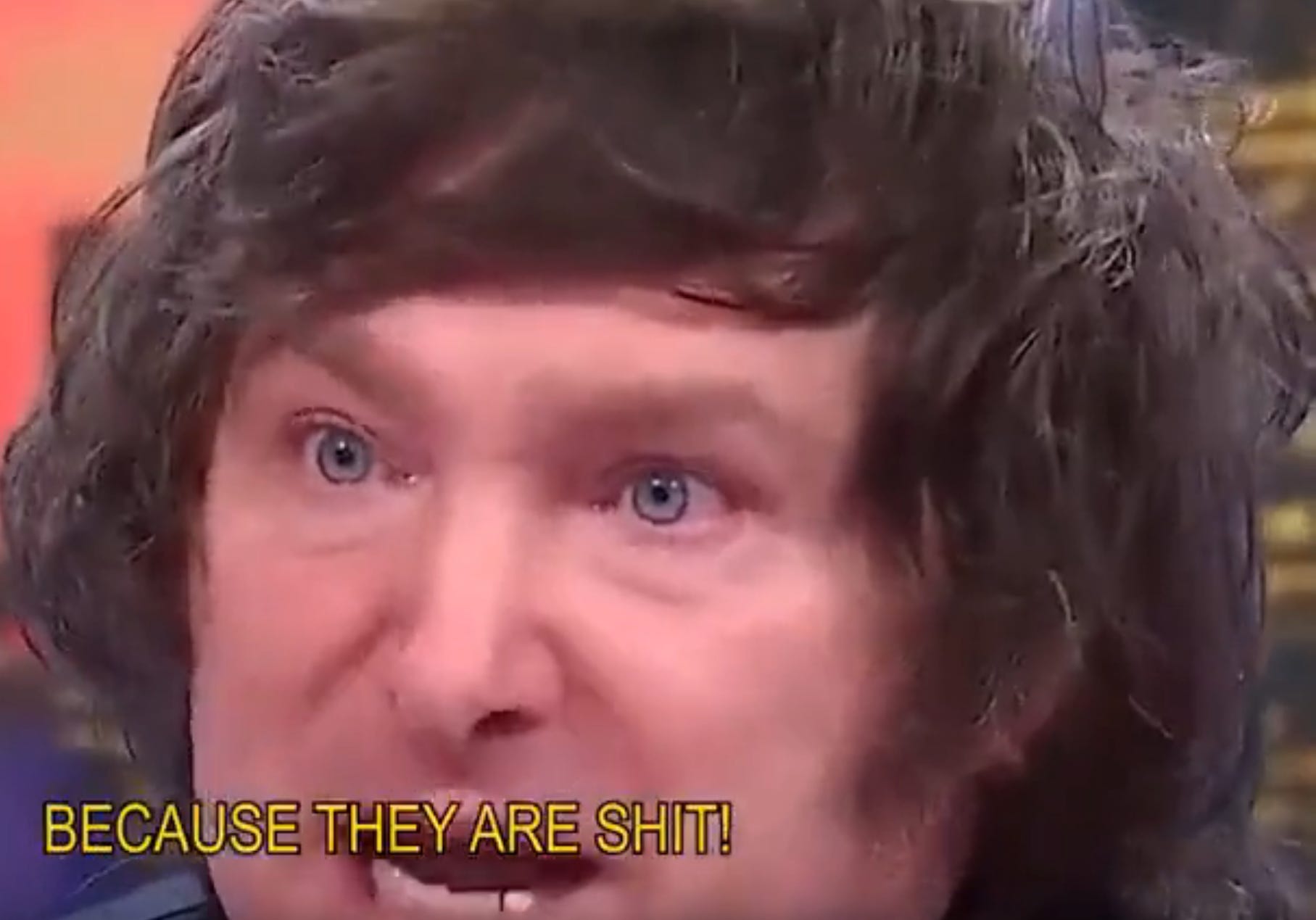
Mastering the Mechanics of Powerful Memes: A 2026 Guide to Digital Influence
Powerful memes are high-resonance units of digital culture that leverage shared semiotics, emotional triggers, and rapid relatability to achieve viral distribution across social networks. In 2026, they serve as the primary vehicle for...
Powerful memes are high-resonance units of digital culture that leverage shared semiotics, emotional triggers, and rapid relatability to achieve viral distribution across social networks. In 2026, they serve as the primary vehicle for decentralized communication, enabling brands and individuals to bypass traditional advertising fatigue by embedding messages within authentic, community-driven visual languages.
Contents
While the term powerful memes usually refers to viral internet content designed for social impact or humor, it occasionally intersects with "memetic tokens" in decentralized finance (DeFi). This guide focuses 100% on the cultural, psychological, and technical strategies required to engineer and distribute high-impact visual memes for brand building and social influence.
The Evolution of Memetics: From Biology to 2026 Digital Strategy
The concept of the "meme" was first introduced by evolutionary biologist Richard Dawkins in 1976 as a cultural parallel to the gene—a unit of information that replicates, mutates, and responds to selective pressures. By 2026, this theoretical framework has evolved into a high-stakes technical discipline. Modern powerful memes are no longer accidental; they are the result of precise "memetic engineering" that aligns with platform-specific algorithms and specific demographic psychographics.
In the current digital landscape, a meme's power is measured not just by views, but by its "velocity of replication" and "cultural stickiness." A meme that is merely seen is a failure; a meme that is modified and re-shared becomes a pillar of digital discourse. This shift has forced technical SEO strategists and social media directors to move beyond keyword stuffing and into the realm of semantic resonance—ensuring that the underlying idea of the meme aligns with the search intent and values of the target audience.
The Three Pillars of a High-Impact Meme
To create a powerful meme in 2026, three fundamental elements must converge: Relatability, Re-mixability, and Timeliness. Without this trinity, content remains static and fails to achieve the "network effect" required for true virality.
- Relatability (The Hook): The meme must reflect a universal truth or a hyper-specific niche experience. It acts as a mirror, making the viewer feel "seen." This psychological validation is the primary driver of the initial share.
- Re-mixability (The Vehicle): A powerful meme provides a template. Whether it is a specific image macro, a recurring video format, or a linguistic trope, it must invite the audience to add their own context. In 2026, AI-assisted template generation has made this process instantaneous for most users.
- Timeliness (The Catalyst): Memes exist in a "cultural present." A meme that references a three-day-old news cycle is already decaying in value. The most powerful memes capitalize on the immediate collective consciousness of the internet.
Comparing Meme Archetypes and Their Strategic Utility
Not all powerful memes serve the same purpose. Depending on your 2026 marketing or communication goals, you must select the archetype that aligns with your desired outcome.
| Meme Archetype | Primary Psychological Trigger | Strategic Objective | Key Performance Indicator (KPI) |
|---|---|---|---|
| The Relatable Narrative | Validation & Belonging | Community Growth | Share-to-View Ratio |
| The Surreal / "Dank" Meme | Absurdity & Irony | Brand Edge/Identity | Sentiment Analysis (Comments) |
| The Informational Meme | Utility & Authority | Lead Generation | Save Rate & Link Clicks |
| The Reaction Meme | Emotional Expression | Engagement/Interaction | Usage Frequency in Threads |
| The Trend Hijack | Social Proof/FOMO | Viral Reach | Brand Mentions & Impressions |
Technical Distribution: Optimizing Memes for 2026 Algorithms
In 2026, platforms like TikTok, X (formerly Twitter), and Meta’s ecosystem use advanced computer vision to "read" memes. This means that technical SEO for memes has moved beyond Alt-text—though Alt-text remains critical for accessibility and secondary indexing. The algorithm now analyzes the "visual sentiment" and "semantic clusters" within the image or video itself.
Algorithmic Signal Alignment
Visual Clarity and Focal Points High-performance memes in 2026 prioritize high-contrast text and clear focal points. Platforms utilize eye-tracking heatmaps within their internal AI to determine if a piece of content will stop the "infinite scroll."
Metadata and Hashing When a meme is shared, its unique digital hash is tracked. Using original, high-resolution assets rather than tenth-generation screenshots ensures that the platform recognizes the content as a primary source, often resulting in an initial reach boost.
Sentiment Synchronization Modern distribution engines favor content where the visual sentiment matches the caption’s linguistic tone. A mismatch between a "happy" image and a "cynical" caption may result in shadow-demotion unless it is recognized as a specific satirical trope.
Psychological Triggers: Why Humans Share Powerful Memes
The "power" in powerful memes is derived from neurochemistry. When a user encounters a meme that perfectly encapsulates their internal state, the brain releases dopamine and oxytocin. This is often referred to as the "In-Group Signal." Sharing a meme is a way of saying, "I am part of this tribe, and I understand this language."
High-arousal emotions—such as laughter, awe, or even righteous indignation—are significantly more likely to trigger a share than low-arousal emotions like contentment or sadness. To engineer a powerful meme, one must aim for the extremes of the emotional spectrum. In 2026, the most effective creators utilize "emotional layering," where a meme appears humorous on the surface but contains a deeper, more resonant social commentary beneath.
Step-by-Step Guide to Engineering a Powerful Meme in 2026
Building a meme from scratch requires a blend of cultural intuition and data-driven execution. Follow this workflow to maximize your chances of resonance.
- Define Your Micro-Audience: Do not try to appeal to everyone. Pick a specific subculture (e.g., "Remote DevOps Engineers" or "Sustainably-focused Gen Alpha").
- Identify the "Pain Point" or "Inside Joke": Research the current frustrations or trending topics within that micro-audience. Use social listening tools to identify recurring phrases or complaints.
- Select an Authentic Template: Choose a visual format that is currently "in-cycle." Avoid templates that have reached "normie" saturation unless you are using them ironically.
- Apply the 3-Second Rule: The viewer must understand the core joke or message within three seconds of seeing the meme. If it requires a paragraph of context, it is not a powerful meme; it is an essay.
- Seed the Distribution: Post the meme across three distinct nodes: a high-reach platform (X/Threads), a community-focused platform (Reddit/Discord), and a visual-first platform (Instagram/TikTok).
- Monitor and Pivot: Use real-time analytics to see which platform is "biting." If a specific community starts re-mixing the meme, provide them with high-res transparent PNGs or raw video files to lower the barrier for further creation.
Risks and Ethical Considerations: When Memes Go Rogue
While memes are powerful tools for growth, they carry significant risks. Because memes are decentralized, once you release a meme into the wild, you lose control over its evolution.
- Memetic Hijacking: Bad actors can take your brand's meme template and re-purpose it for hate speech or misinformation.
- Cultural Insensitivity: What is funny in one digital subculture may be deeply offensive in another. In 2026, "context collapse"—where a meme travels from its intended audience to an unintended one—happens in seconds.
- Copyright and Fair Use: While most memes fall under fair use as transformative works, brands must be cautious about using celebrity likenesses or copyrighted film stills for commercial gain without a strategy for legal "grey areas."
FAQ: Frequently Asked Questions About Powerful Memes
What makes a meme "powerful" compared to just "funny"?
A powerful meme causes a shift in perception or behavior, while a funny meme only causes a temporary emotional response. Powerful memes often become "shorthand" for complex ideas, allowing people to communicate an entire philosophy or mood with a single image, thereby influencing cultural narratives over the long term.
How can a business measure the ROI of a meme campaign in 2026?
ROI is measured through "Earned Media Value" (EMV) and "Attributed Sentiment Shift." Instead of just looking at clicks, brands use AI sentiment analysis to see if the meme improved brand favorability among key demographics and track "organic mention volume" that occurred without paid amplification.
Are AI-generated memes as effective as human-created ones?
AI is excellent for generating templates and high-quality visuals, but "human-in-the-loop" curation is essential. AI often struggles with "double-irony" and "meta-humor," which are the hallmarks of powerful memes in 2026. A human must still provide the cultural "spark" that makes a meme feel authentic rather than generated.
How long does a powerful meme usually stay relevant?
The lifecycle of a meme has compressed significantly. In 2026, a "peak" meme usually lasts 48 to 72 hours before it enters the "saturation" phase. However, "evergreen" memes—those based on fundamental human truths—can be reactivated for years if the context remains stable.
Can memes be used for B2B marketing?
Yes, and they are often more effective in B2B because the niches are more defined. Memes targeting specific professional frustrations (e.g., "The Friday Afternoon Deploy") build massive rapport and "humanize" technical brands, making them more approachable to decision-makers who are also scrolling social media.
The Future of Memetics: Synthetic Media and Neural Resonace
Looking toward the end of 2026 and into 2027, the landscape of powerful memes is shifting toward "synthetic interactivity." We are seeing the rise of memes that are not just static images or videos, but interactive AI agents that can "talk back" to the user while maintaining the meme's persona.
The technical strategist must now think about "multi-modal" memetics—ensuring that a meme's power translates across visual, auditory, and interactive formats. As neural interfaces begin to enter the consumer market, the "speed of thought" replication of memes will become the next frontier, where the emotional resonance of a meme is felt almost physically before it is even consciously processed.
To stay ahead, creators must prioritize authenticity above all else. In an era of infinite synthetic content, the memes that feel the most "human"—even when they are absurd or surreal—will remain the most powerful.
Image Gallery