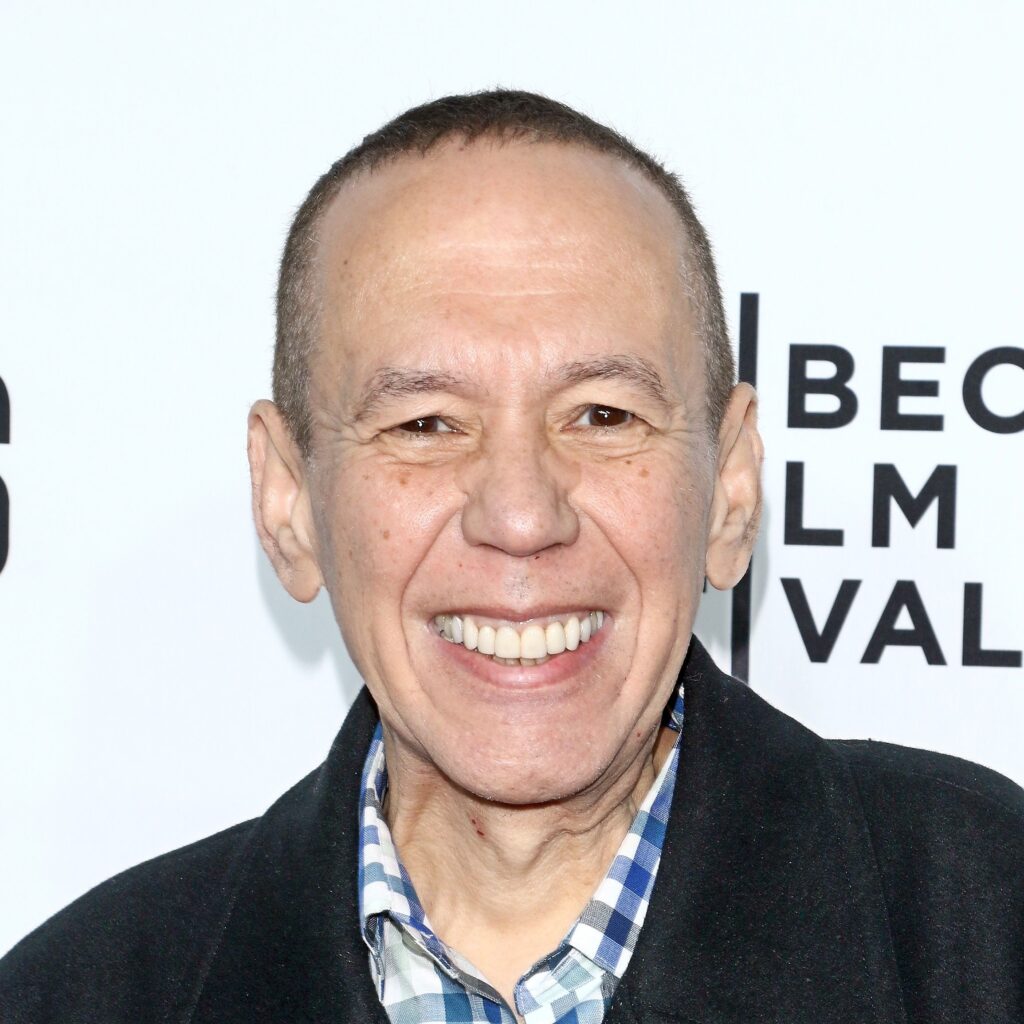
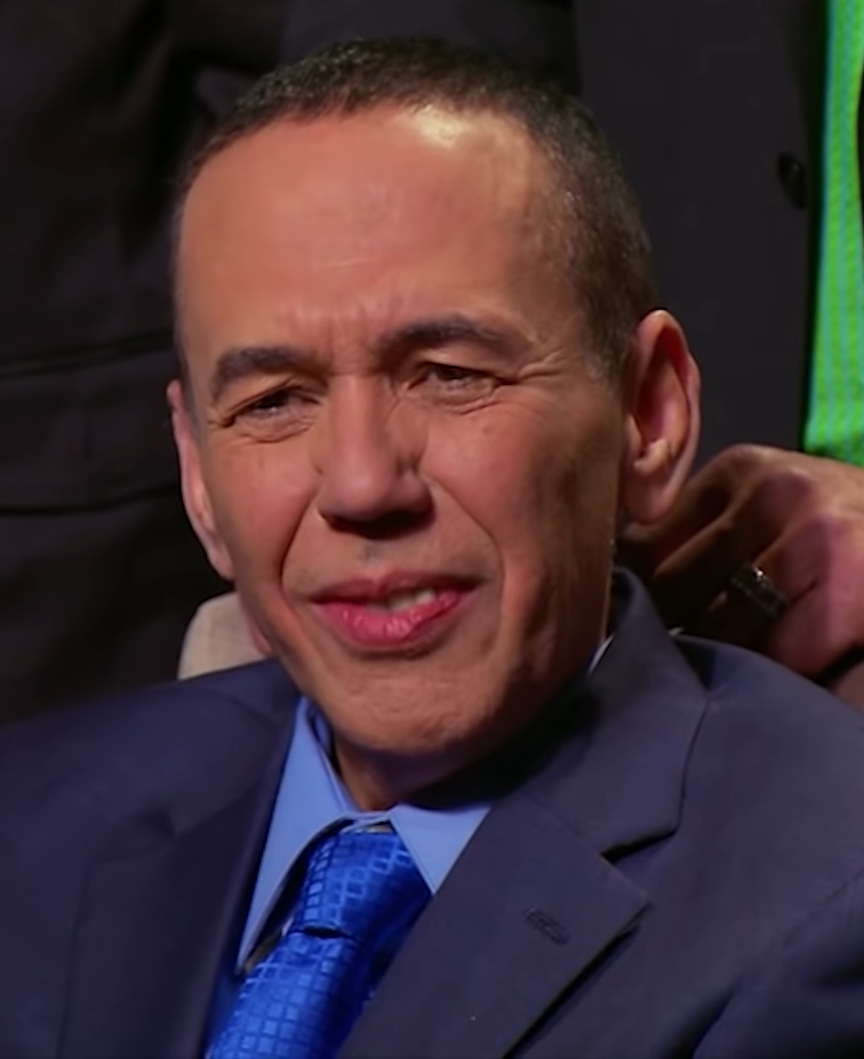
The Measured Stature of Gilbert Gottfried: A Historical Perspective
Gilbert Gottfried stood approximately 5 feet 6 inches tall, a physical stature that became an essential element of his iconic stage persona. Throughout his decades-long career as a comedian, actor, and voice artist, his diminutive fram...
Gilbert Gottfried stood approximately 5 feet 6 inches tall, a physical stature that became an essential element of his iconic stage persona. Throughout his decades-long career as a comedian, actor, and voice artist, his diminutive frame served as a visual contrast to his famously booming, gravelly voice and abrasive comedic delivery, creating a memorable brand that defined his presence in the entertainment industry.
Contents
The Role of Physicality in Comedic Persona
For performers in the entertainment industry, physical appearance often functions as a secondary tool to supplement comedic timing and vocal delivery. In the case of Gilbert Gottfried, his height of 5'6" was frequently utilized as a component of his act. By leaning into an "underdog" or "misfit" aesthetic, Gottfried cultivated an image that felt intentionally unpolished. This choice was consistent with his style of self-deprecating humor and his commitment to playing characters that were intentionally grating or visually distinct from the polished archetypes of Hollywood.
When analyzing the stature of public figures, the entertainment industry often relies on "screen presence"—the ability to occupy space through movement, voice, and energy rather than literal height. Gottfried mastered this by utilizing rapid-fire delivery and an unconventional, piercing vocal range. To his audience, his height was secondary to the sheer volume and aggressive cadence of his performance, which effectively made him appear larger than life regardless of his actual measurements.
Historical Context and Verification
Verification of a performer’s physical stature often comes from a synthesis of public records, eyewitness reports from film sets, and consistent industry reporting over several decades. Unlike athletic disciplines, where precise measurements are recorded for competitive parity, height in show business is often anecdotal, yet Gilbert Gottfried’s height remained consistently cited in professional databases throughout his career, which spanned from the 1970s until his passing in 2022.
In the industry, publicists and biographers typically maintain accurate data to ensure proper costuming and staging during productions. Gottfried’s height of 5'6" was corroborated across multiple industry references during his time on television shows such as Saturday Night Live and in his various voice-acting roles, including his celebrated work as the parrot Iago in Disney's Aladdin.
Comparative Analysis of Stature in Stand-Up Comedy
To better understand the scale of performers within the comedic landscape, it is useful to look at common height distributions among prominent comedians of the late 20th and early 21st centuries. While physical stature is rarely a metric for success, it is often a talking point in biographical profiles and audience interest.
| Comedian | Approximate Height | Primary Comedic Style |
|---|---|---|
| Gilbert Gottfried | 5' 6" | Abrasive, observational, voice-driven |
| Woody Allen | 5' 5" | Neurotic, self-deprecating |
| Kevin Hart | 5' 2" | Energetic, physical, observational |
| Jerry Seinfeld | 5' 11" | Observational, dry |
| Robin Williams | 5' 7" | High-energy, improvisational |
As evidenced by the table above, the spectrum of height among highly successful comedians is broad, proving that physical metrics have no correlation with comedic efficacy. Gottfried’s height placed him in a bracket with many of his contemporaries who similarly relied on high-energy personas rather than traditional leading-man stature.
The Perception of Height in Media
Media perception can often distort reality. Through the use of camera angles, platform footwear, and the strategic positioning of co-stars, directors and producers can manipulate how an actor's height is perceived by the audience. For instance, in Aladdin, the animation allowed Gottfried to portray a character—Iago—who occupied a specific space in a fantasy world, entirely disconnected from the physical reality of the voice actor behind the microphone.
In live-action appearances, such as his frequent talk show guest spots or his roles in Problem Child, his height was rarely the focal point of the narrative. Instead, his presence was defined by his "squinty" facial expressions and his signature hand gestures. These mannerisms were so distinct that they overshadowed his physical measurements, leading to a public perception that was focused entirely on his personality rather than his dimensions.
Addressing Common Misconceptions
Because of the nature of celebrity photography and the tendency for exaggerated self-reporting in Hollywood, fans often turn to unofficial sources that may inadvertently inflate or deflate a figure's height. It is common for celebrities to be cited as an inch or two taller than they are to better fit industry standards, or conversely, for them to be mocked for being shorter than they actually are.
However, Gilbert Gottfried did not engage in the traditional "Hollywood height" game. He was frequently photographed alongside a wide variety of actors, providing a natural frame of reference that allowed for accurate estimation. Throughout his career, he remained one of the few figures in entertainment who leaned into the "everyman" look, never attempting to project a stature that he did not possess. This honesty regarding his appearance was an extension of the authentic, albeit intentionally jarring, nature of his comedic work.
Frequently Asked Questions
Was Gilbert Gottfried’s height a major factor in his comedy? While his height was not the primary subject of his routines, he used his physical appearance as part of his overall "anti-celebrity" brand. His stature complemented his unconventional voice and delivery, helping him maintain a consistent, recognizable persona throughout his career.
How did film and television productions account for his height? Professional productions account for height differences through staging and camera framing. In Gottfried's case, his roles were rarely written as traditional "leading men" where height is prioritized; he was typically cast in roles that demanded his specific voice and high-energy personality.
Is there any official record of his height? While there is no single "official" government document publicly released for his height, his measurement of 5'6" has been universally accepted by industry databases, casting directories, and biographical archives over several decades of his public career.
Did he ever address his height in interviews? Gottfried frequently deflected questions about his physical appearance with self-deprecating humor. He preferred to focus interviews on his influences, his past stand-up experiences, and his love for classic film, rather than his physical attributes.
How does his height compare to other actors of his generation? He fell well within the average height range for men of his generation. His stature was not considered an outlier in the professional acting world, where diversity in height is common and often preferred for character-based casting.
Why is there so much interest in the height of celebrities? Audience curiosity regarding physical traits is a common byproduct of celebrity culture. Fans often seek to relate to performers on a human level, and basic biographical data like height, weight, and age serves as a way to "ground" the persona in reality.
Next Steps for Enthusiasts
If you are researching the career of Gilbert Gottfried for biographical or historical purposes, the most reliable approach is to focus on his recorded performances and his interviews. His archives of work—ranging from his legendary Saturday Night Live sketches to his popular podcast, Gilbert Gottfried's Amazing Colossal Podcast—offer a wealth of information regarding his creative process and his perspective on the entertainment industry. For those interested in his body of work, reviewing his filmography in chronological order provides the best context for how he utilized his voice and physical presence across different mediums.
Image Gallery