Choosing the Better Fit Between Rural and Country Living in 2026
Choosing between a rural and a country lifestyle depends on whether you prioritize geographic isolation and land utility or a community-focused, pastoral lifestyle. Rural living typically involves significant distance from urban center...
Choosing between a rural and a country lifestyle depends on whether you prioritize geographic isolation and land utility or a community-focused, pastoral lifestyle. Rural living typically involves significant distance from urban centers and reliance on self-contained infrastructure, while country living often emphasizes a slower-paced, small-town atmosphere with easier access to localized amenities.
Contents
Deciding where to plant your roots is a significant life transition that requires more than just an appreciation for open spaces. As of 2026, the migration away from high-density urban cores has stabilized, but the nuances between "rural" and "country" have become more distinct due to evolving infrastructure, remote work capabilities, and changing land-use regulations. While the terms are often used interchangeably in casual conversation, they represent different logistical realities, social structures, and long-term financial commitments.
Defining the Terms: Technical Rural vs. Cultural Country
To choose the better fit, one must first understand the definitions. Rural is a demographic and geographic classification used by government agencies, such as the U.S. Census Bureau and the USDA (United States Department of Agriculture), to describe areas with low population density and land that is not part of an urban area. In a rural setting, the focus is often on the land itself—whether for agriculture, conservation, or timber.
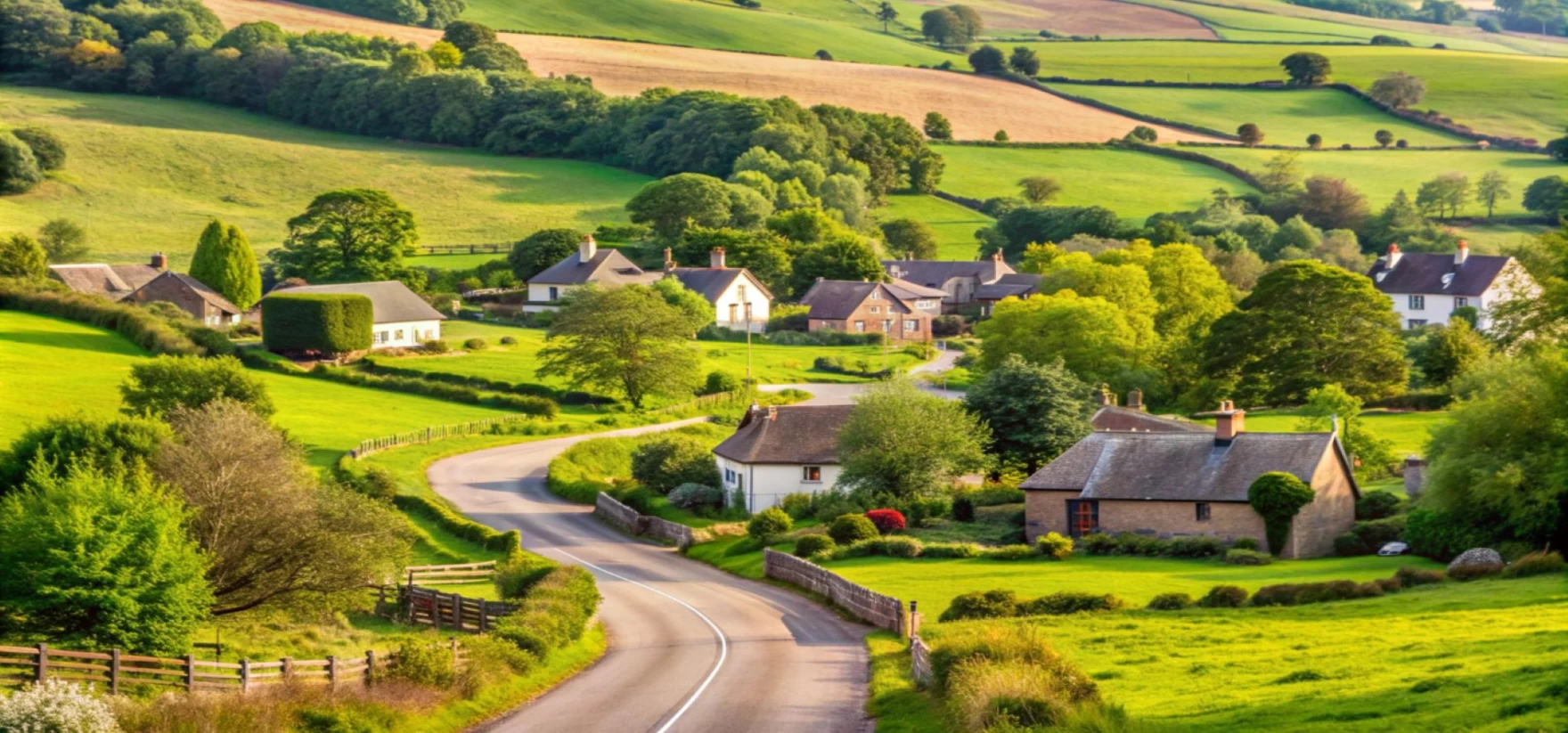
Country, on the other hand, is more of a lifestyle and cultural descriptor. When people speak of "living in the country," they are often referring to a specific aesthetic and social environment. This usually involves a home on a few acres, perhaps within a short drive of a small town (often called a "village" or "hamlet"). Country living provides a buffer from the city without necessarily requiring the total self-reliance often associated with deep rural environments.
In 2026, the "exurban" movement has blurred these lines further, but the distinction remains: rural is about the distance from others, while country is about the quality of the surroundings and the proximity to a specific type of community.
Key Differences in Infrastructure and Services
The primary logistical hurdle in choosing between these two is the level of infrastructure you are prepared to manage or fund. In many rural areas, the burden of utility maintenance shifts from the municipality to the property owner.
Utilities and Connectivity
In a strictly rural environment, you are likely to be "off-grid" or "self-contained" regarding water and waste. This means maintaining a private well and a septic system. While modern septic technology in 2026 has become more efficient, the responsibility for repairs and periodic pumping remains with the homeowner. Conversely, country living—especially on the fringes of a small town—may still offer access to municipal water or at least a shared community well system.
Internet connectivity, once the bane of rural life, has seen a revolution by 2026. High-speed satellite constellations and expanded rural fiber initiatives have made remote work viable in almost any location. However, the stability of these connections can still vary. Rural dwellers may find themselves at the mercy of line-of-sight requirements for fixed wireless, while country residents are more likely to have a physical fiber-to-the-home (FTTH) connection.
Emergency Services and Healthcare
Distance to emergency services is perhaps the most critical factor for families or retirees. In a rural setting, a "short" drive to the nearest Level 1 trauma center might be 45 to 60 minutes. Volunteer fire departments are the standard, and response times can be significantly longer than in urban or country settings. Country living typically places you within 15 to 20 minutes of a regional clinic or a small-town hospital, providing a safety net that deep rural living lacks.
The Financial Realities of Land and Zoning
The cost of entry for rural and country properties varies significantly based on acreage and zoning. In 2026, land prices have remained resilient, particularly for parcels that offer "homesteading" potential.
Zoning and Land Use
Rural properties are frequently zoned for Agricultural (A-1) or Forestry use. These designations often come with lower property taxes but may have strict requirements regarding the type of structures you can build or the number of livestock you can keep. Some rural areas have "Minimum Lot Size" requirements, meaning you cannot buy less than 20 or 40 acres in certain tracts.
Country properties are more likely to be zoned as Rural Residential (RR). This allows for smaller parcels—typically 2 to 10 acres—which are more manageable for those who want space but do not intend to run a commercial farm. Understanding these codes is essential because they dictate whether you can run a home-based business, build an Accessory Dwelling Unit (ADU), or keep honeybees.
Financing Options
Financing a rural property can be more complex than a standard suburban mortgage. The USDA Rural Development program continues to be a primary resource in 2026, offering low-interest loans for eligible buyers in "rural" areas. However, if the property is considered "working land" (a farm), you may need to look into agricultural lenders like Farm Credit, which evaluate the income-producing potential of the land alongside your personal creditworthiness.
Comparing Rural and Country Lifestyles
| Feature | Rural Living | Country Living |
|---|---|---|
| Population Density | Extremely low; neighbors often out of sight. | Low; neighbors visible but at a distance. |
| Primary Land Use | Agriculture, conservation, or resource extraction. | Residential, hobby farming, or equestrian. |
| Access to Groceries | 30+ minute drive; requires "pantry loading." | 10–15 minute drive to a local market or town. |
| Road Maintenance | Often private or unpaved; requires a 4WD vehicle. | Usually county-maintained paved or gravel roads. |
| Community Structure | Social life revolves around regional hubs/events. | Social life revolves around the local small town. |
| Privacy Level | Maximum; limited passing traffic. | High; some local traffic and neighbor interaction. |
The Psychological Impact of Physical Space
The "better fit" is often determined by your psychological response to silence and isolation. For some, the absolute quiet of a rural midnight is peaceful; for others, it is unsettling.
Social Isolation vs. Community Bond
Rural living demands a high degree of self-sufficiency. If your car breaks down or a tree falls across your driveway, you must have the tools and the temperament to handle it. Social interactions are intentional; you won't "bump into" a neighbor while checking the mail.
Country living offers a "best of both worlds" scenario for social creatures. You get the privacy of your own acreage, but you are still part of a recognizable community. In 2026, many "country" towns have seen a revitalization of their Main Streets, offering coffee shops, farmers' markets, and local festivals that provide a sense of belonging without the overcrowding of a city.
Environmental Stewardship
Both lifestyles require a shift in how you view the environment. In a rural setting, you are a steward of the land. This may involve managing invasive species, maintaining fire breaks, or protecting local watersheds. Country living often involves more traditional "yard" work, albeit on a larger scale, such as managing a large lawn or a small orchard.
Common Mistakes When Choosing Between the Two
- Underestimating the Commute: In 2026, fuel prices and vehicle maintenance remain significant line items. A 40-mile round trip for a gallon of milk in a rural area adds up quickly in both time and money.
- Overlooking Easements: Particularly in rural areas, utility companies or neighbors may have legal rights to cross your land. Always verify the title and "right-of-way" before purchasing.
- Ignoring "Right to Farm" Laws: If you move to a country setting near a commercial farm, you must be prepared for the noise, dust, and smells associated with agriculture. Many jurisdictions have "Right to Farm" laws that protect farmers from nuisance lawsuits by new residents.
- Assuming Lower Costs: While land may be cheaper, the "cost of living" in terms of transportation and property maintenance (tractors, mowers, well repairs) can often exceed urban or suburban expenses.
Frequently Asked Questions
Which is better for raising a family?
Country living is often cited as better for families due to the proximity to schools and extracurricular activities. Rural living provides a unique, hands-on environment for children to learn about nature and self-reliance, but it requires parents to spend significantly more time in the car transporting children to social events.
Is high-speed internet available in all rural areas in 2026?
While satellite options like Starlink and government-funded fiber expansions have reached most areas, "dead zones" still exist due to topography (mountains/deep valleys) or dense forest cover. Always perform a physical "signal test" on-site before committing to a property.
Do I need special insurance for a rural property?
Yes. Standard homeowners' insurance may not cover outbuildings (barns, sheds), agricultural equipment, or specific liabilities related to livestock. You may need a "farm and ranch" policy, even if you are only hobby farming.
How do I check the water quality on a rural or country lot?
You should never rely on the seller's word. Hire a certified professional to conduct a "well flow" test (to ensure volume) and a comprehensive potability test (to check for bacteria, nitrates, and heavy metals) during your due diligence period.
Can I run a business from a rural property?
It depends on the zoning. While 2026 zoning laws are generally more lenient toward "digital" home businesses, any business that involves customer traffic, large deliveries, or heavy machinery may require a "Conditional Use Permit" (CUP) from the county.
Final Recommendation: How to Decide
To find your better fit, perform a "Stress Test" of your current lifestyle. If you enjoy DIY projects, own a reliable 4WD vehicle, and find deep satisfaction in solitude and land management, the rural path is likely your calling. It offers a level of autonomy that is increasingly rare in the modern world.
However, if you want the "view" and the "space" but still want to be able to grab a pizza in 15 minutes or have your kids ride their bikes to a neighbor’s house, country living is the superior choice. Start by visiting small towns that sit 30–50 miles outside of a major city. Look for properties on the "fringe"—where the paved road ends and the gravel begins. This "sweet spot" often provides the tranquility of the country with the essential safety net of a nearby community.
Image Gallery