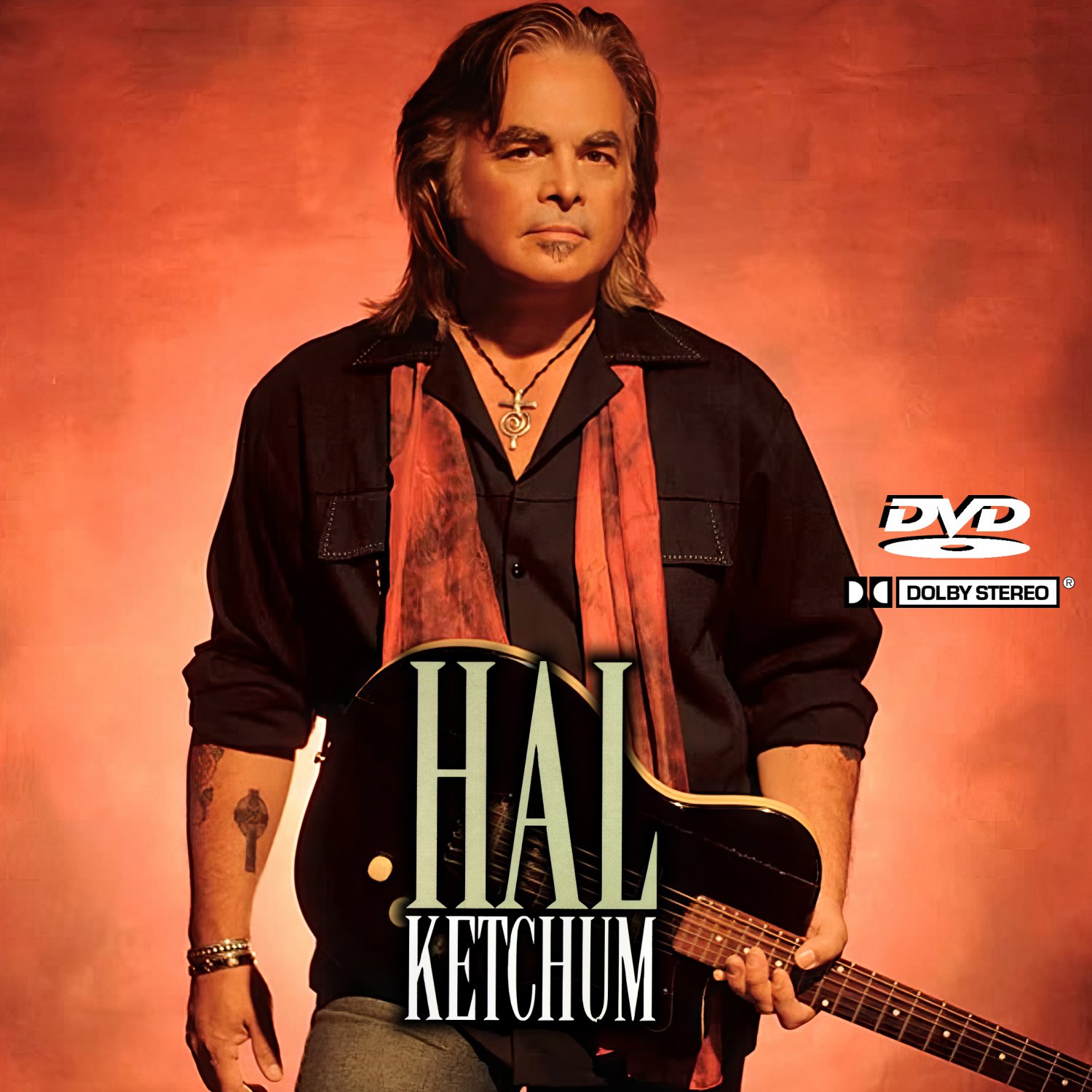
The Legacy of Hal Ketchum in Country Music
Hal Ketchum left an indelible mark on country music as one of the defining voices of the 1990s neotraditional country and Americana movements. Best known for hit singles like "Small Town Saturday Night" and "Past the Point of Rescue,"...
Hal Ketchum left an indelible mark on country music as one of the defining voices of the 1990s neotraditional country and Americana movements. Best known for hit singles like "Small Town Saturday Night" and "Past the Point of Rescue," Ketchum bridged the gap between Austin’s folk-singer tradition and Nashville’s commercial country landscape with his distinctive tenor, poetic songwriting, and genre-blending sound.
Contents
Early Life and the Austin Songwriter Crucible
Hal Michael Ketchum was born on April 9, 1953, in Greenwich, New York. Growing up in upstate New York, Ketchum was drawn to music at an early age, learning to play the drums at age 15 and later performing in local rhythm-and-blues bands. However, his artistic trajectory changed significantly when he relocated to Florida in the 1970s and subsequently moved to Texas in 1981.
In Texas, Ketchum supported himself primarily as a master carpenter and cabinetmaker. Working with his hands by day, he spent his evenings immersing himself in the vibrant music scene surrounding Austin and New Braunfels. He became a regular performer at historic venues, most notably Gruene Hall, Texas’s oldest continually operating dance hall.
It was during this decade in Central Texas that Ketchum sharpened his skills as a singer-songwriter. Surrounded by the influence of Texas troubadours like Guy Clark, Townes Van Zandt, and Lyle Lovett, Ketchum developed a style that prioritized narrative storytelling, emotional honesty, and acoustic clarity. In 1988, he released his debut independent album, Threadbare Alibis, on his own Watermelon Records label. The album showcased his soulful vocal delivery and attracted the attention of Nashville record executives seeking authentic voices to lead a new era of country music.
Breakthrough Era: Past the Point of Rescue and the 1990s Neotraditional Wave
In the late 1980s and early 1990s, country music underwent a major shift toward neotraditionalism. Listeners were turning away from pop-heavy country-politan arrangements in favor of artists who honored traditional acoustic instrumentation, storytelling lyrics, and roots-oriented arrangements. Ketchum was signed to Curb Records in 1990, placing him at the center of this cultural movement alongside artists such as Garth Brooks, Vince Gill, and Alan Jackson.
The Success of Past the Point of Rescue (1991)
Ketchum’s major-label debut, Past the Point of Rescue, was released in May 1991 and established him as a commercial force. The album achieved RIAA Gold certification and produced four top-20 Billboard Hot Country Songs hits:
- "Small Town Saturday Night": Written by Pat Alger and Hank DeVito, this upbeat anthem captured small-town youth culture with vibrant storytelling and infectious guitar hooks. It climbed to No. 2 on the Billboard country chart, serving as Ketchum’s breakthrough radio hit.
- "Past the Point of Rescue": Written by Irish singer-songwriter Mick Hanly, the title track combined Celtic folk melodies with driving country percussion. Ketchum’s soaring tenor brought the song to No. 2 on the country charts.
- "I Know Where Love Lives": Written by Ketchum himself, this melodic ballad demonstrated his ability to craft radio-friendly hits that retained deep lyrical sincerity, reaching No. 13.
- "Five O'Clock World": A country-rock reworking of The Vogues’ 1965 pop hit, this track highlighted Ketchum’s ability to interpret classic pop and rock material through a roots-country lens, peaking at No. 16.
Ketchum’s voice stood out from many of his peers. Rather than relying on a heavy twang, he possessed a clear, resonant vocal tone infused with soul, folk, and pop sensibilities, allowing his music to appeal across genre boundaries without sacrificing authenticity.
Discography and Chart Achievements
Following his 1991 debut, Ketchum built a discography that balanced commercial radio success with personal, introspective songwriting. His work throughout the 1990s solidified his place among country music's most respected vocalists.
| Album Title | Release Year | Label | Billboard Country Peak | RIAA Certification / Notable Highlights |
|---|---|---|---|---|
| Threadbare Alibis | 1988 | Watermelon Records | — | Debut independent release; later reissued by Curb. |
| Past the Point of Rescue | 1991 | Curb Records | No. 15 | RIAA Gold; featured "Small Town Saturday Night" and title track. |
| Sure Love | 1992 | Curb Records | No. 36 | Featured Top 10 hits "Sure Love" and "Mama Knows the Highway." |
| Every Little Word | 1994 | Curb Records | No. 31 | Yielded hits "Stay Forever" and "Every Little Word." |
| The Hits | 1996 | Curb Records | No. 43 | Greatest hits compilation featuring duet "I Saw the Light." |
| I Saw the Light | 1998 | Curb Records | No. 42 | Title track cover of Todd Rundgren's pop classic. |
| Lucky Man | 2001 | Curb Records | — | Marked his artistic return following neurological illness. |
| King of Love | 2003 | Curb Records | — | Deepened his exploration of Americana and folk roots. |
| One More Midnight | 2007 | Curb Records | — | Released exclusively in Europe before US distribution. |
| Father Time | 2008 | Disc Doggin' | — | Acoustic-focused album featuring live studio tracking. |
| I'm the Troubadour | 2014 | Music City Records | — | Final studio album; blended blues, folk, and country. |
Grand Ole Opry Induction
In recognition of his contributions to the genre and his respect for country traditions, Hal Ketchum was inducted as a member of the Grand Ole Opry on January 22, 1994. Membership in the Opry remains one of country music's highest honors, signaling both institutional respect and a commitment to preserving the heritage of live country performance.
Health Challenges and Musical Resilience
At the height of his career, Ketchum faced serious health challenges that altered his life and work. In June 1998, he was diagnosed with acute transverse myelitis, a rare neurological disorder caused by inflammation of the spinal cord.
The condition left Ketchum temporarily paralyzed on his left side, stripping away his ability to walk and play the guitar. Doctors cautioned that he might never perform again. Demonstrating remarkable resilience, Ketchum underwent intensive physical therapy and spent years relearning basic motor functions and instrumental techniques.
Despite continuing to suffer from chronic pain and neurological complications, Ketchum returned to recording and touring in the early 2000s. Albums like Lucky Man (2001) and Father Time (2008) reflected a artist deepened by hardship, featuring reflective themes and organic acoustic arrangements.
Final Years and Legacy
In April 2019, Ketchum's wife, Andrea Ketchum, publicly announced that the singer had been diagnosed with Alzheimer’s disease and dementia, leading to his formal retirement from music and touring. On November 23, 2020, Hal Ketchum passed away at his home in Fischer, Texas, at the age of 67, due to complications from dementia.
His death brought widespread tributes from across the country, folk, and Americana music communities. Colleagues and critics praised Ketchum not only for his commercial hitmaking in the 1990s, but also for his artistic integrity and mentorship of younger roots artists.
- Hal Ketchum's Musical Crossroads
- Texas Singer-Songwriter
- (Guy Clark, Townes Van Zandt)
- 1990s Neotraditional Sound
- Storytelling Lyrics
- Acoustic-Driven Production
- Soulful Tenor Vocals
- Americana & Roots Legacy
- Modern Texas Country / Red Dirt
- Acoustic Folk & Blues Fusion
- Texas Singer-Songwriter
Key Elements of Ketchum’s Musical Legacy
- Bridging Commercial Country and Americana: Long before Americana was recognized as a formal chart category, Ketchum merged Texas folk storytelling with polished Nashville soundscapes, proving that intelligent, song-first music could succeed on mainstream radio.
- Mastery of Song Selection and Composition: Whether writing his own compositions like "I Know Where Love Lives" and "Stay Forever" or interpreting songs by Irish songwriters (Mick Hanly) and pop icons (Todd Rundgren), Ketchum possessed an ear for melody and narrative structure.
- Influence on Red Dirt and Texas Country: Ketchum’s early roots at Gruene Hall made him a hero to generations of Texas Country and Red Dirt musicians. Artists performing in the regional Texas circuit frequently point to Ketchum as proof that acoustic authenticity can capture a national audience.
Frequently Asked Questions
What was Hal Ketchum’s biggest hit song?
Hal Ketchum’s biggest commercial hit was "Small Town Saturday Night," released in 1991 as the lead single from his album Past the Point of Rescue. The song reached No. 2 on the Billboard Hot Country Songs chart and remains one of the defining country anthems of the 1990s.
Was Hal Ketchum a member of the Grand Ole Opry?
Yes. Hal Ketchum was formally inducted as a member of the Grand Ole Opry on January 22, 1994. He performed regularly on the Opry stage throughout the 1990s and 2000s.
What disease led to Hal Ketchum’s retirement?
Hal Ketchum retired from performing in 2019 due to Alzheimer’s disease and dementia. Earlier in his career, in 1998, he was also diagnosed with acute transverse myelitis, a neurological condition that forced him to temporarily relearn how to walk and play guitar.
Did Hal Ketchum write his own songs?
Yes, Ketchum was an accomplished songwriter who wrote or co-wrote many of his own tracks, including "I Know Where Love Lives" and "Stay Forever." He was also a skilled interpreter of other writers' songs, famously recording works by Mick Hanly, Pat Alger, and Todd Rundgren.
Where did Hal Ketchum begin his music career?
Although born in New York, Ketchum established his musical identity in Texas during the 1980s. Working as a cabinetmaker, he played regularly at historic Central Texas venues like Gruene Hall in New Braunfels before moving to Nashville.
Recommended Listening Guide
For listeners seeking to explore Hal Ketchum’s musical catalog, the best starting point is his landmark 1991 release, Past the Point of Rescue, which captures the full breadth of his vocal power and song selection. To appreciate his evolution as an independent roots artist, follow this with his 2008 acoustic collection Father Time, which recorded songs live in studio to capture the raw warmth of his performance style.
Image Gallery