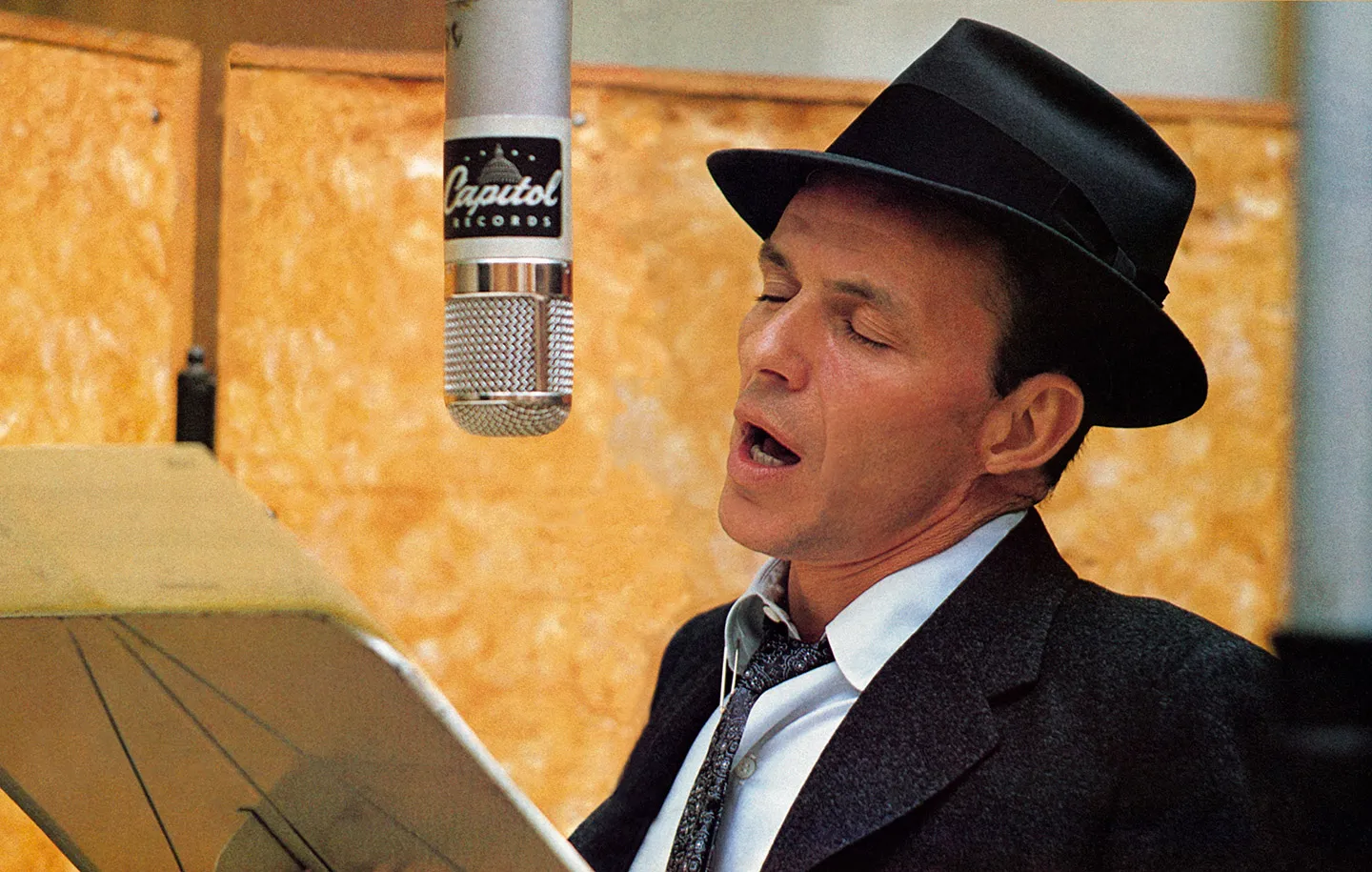
The Untold Story Behind Sinatra La Father and His Influence
The story behind Sinatra "la father" and his influence explores a distinct cultural persona, creative genealogy, and artistic archetype that bridges classic mid-century performance with modern stylistic evolution, examining how foundat...
The story behind Sinatra "la father" and his influence explores a distinct cultural persona, creative genealogy, and artistic archetype that bridges classic mid-century performance with modern stylistic evolution, examining how foundational leadership styles and patriarchal figures shape contemporary entertainment and legacy branding.
Contents
Understanding the Roots of the "La Father" Archetype
To comprehend the narrative surrounding Sinatra la father, one must first deconstruct the terminology and the cultural landscape that birthed it. In various subcultures, the suffix or modifier "la father" denotes a foundational patriarchal figure, an originator, or an authoritative tastemaker who sets the blueprint for those who follow. While the name immediately evokes the legendary American singer and actor Frank Sinatra—often referred to as the Chairman of the Board and the ultimate patriarch of mid-century cool—the specific designation of "la father" introduces a contemporary layer of mythological status, bridging classic Italian-American performance aesthetics with modern urban and digital myth-making.
The linguistic crossover reflects a broader sociological phenomenon: the translation of historical icons into modern archetypes. Frank Sinatra’s career spanned over six decades, transforming him from a swooning big-band crooner into an Oscar-winning actor, a symbol of post-war prosperity, and the ringleader of the Rat Pack. The ethos he projected—defined by sharp tailoring, uncompromising artistic independence, nocturnal charisma, and an aura of untouchable cool—established a template for modern masculinity and celebrity influence. When modern commentators or cultural analysts invoke the concept of a foundational father figure in this lineage, they are examining the DNA of cultural authority: how a single individual can command a room, dictate style, and build an enduring institutional legacy that outlives their physical presence.
The Mid-Century Blueprint: Artistic Independence and Control
At the heart of the Sinatra legacy is a radical shift in how artists managed their careers, which serves as a primary pillar of his enduring influence. During the height of the studio system in Hollywood, major motion picture studios and record labels exerted near-total control over performers, dictating their schedules, public images, and creative output.
Sinatra’s career trajectory offers a masterclass in structural disruption:
- The Departure from Capitol Records: In 1960, frustrated by corporate constraints and a desire for absolute creative freedom, Sinatra walked away from Capitol Records to establish his own independent label, Reprise Records. This bold move allowed him to curate his own musical arrangements, select conceptual album themes, and retain ownership of his master recordings.
- Film Production and Autonomy: Beyond music, Sinatra formed his own production company, Essex Productions, which produced major motion pictures such as The Manchurian Candidate (1962) and Ocean's 11 (1960). By taking control of production budgets and casting, he demonstrated that a star could operate as a mogul.
- Negotiating Power: His insistence on profit-participation deals rather than flat salaries redefined financial negotiations for top-tier talent, creating a precedent that modern actor-producers and musician-entrepreneurs follow today.
This operational blueprint—owning the masters, controlling the narrative, and refusing to bend to institutional gatekeepers—cements the conceptual status of a foundational "father" figure in modern entertainment business strategy.
Cultural Aesthetics and the Anatomy of Cool
Influence is rarely limited to business mechanics; it lives intensely in style, posture, and cultural resonance. The aesthetic framework established by the mid-century Rat Pack era remains a touchstone for modern fashion, interior design, and lifestyle branding. The signature tuxedo worn with effortless casualness, the fedora tilted at a precise angle, the highball glass in hand, and the lounge-singer persona coalesced into an enduring visual language.
| Element of Influence | Mid-Century Origin | Contemporary Manifestation |
|---|---|---|
| Wardrobe & Tailoring | Custom midnight-blue tuxedos, slim-cut suits, and hats | High-end menswear revivals, bespoke tailoring resurgence |
| Performance Persona | Direct audience address, saloon songs, conversational phrasing | Modern vocal styling in pop, jazz, and indie performance |
| Business Structure | Reprise Records, Essex Productions, independent ownership | Artist-owned streaming platforms, indie record labels |
| Brand Mystique | Tabloid fascination, nocturnal lifestyle, tight-knit inner circle | Curated social media presence, exclusive lifestyle branding |
This aesthetic did not materialize in a vacuum. It was forged in the smoky nightclubs of Las Vegas and New York, driven by an intense work ethic and an uncompromising standard of excellence. Performers who study this lineage recognize that the outward display of effortless charm requires rigorous behind-the-scenes discipline. The "la father" archetype thrives on this duality: the public facade of relaxed mastery backed by absolute professional rigor.
The Mechanics of Vocal Phrasing and Musical Interpretation
Beyond the lifestyle and business acumen, the most enduring technical influence of the Sinatra lineage lies in vocal performance and storytelling. Before Sinatra, popular singing was largely dominated by operatic pop stylists and big-band vocalists who sang over the orchestra. Sinatra transformed the microphone into an intimate instrument, treating popular song lyrics as dramatic scripts.
The Bel Canto Approach to Popular Song
Drawing inspiration from classical Italian bel canto singing traditions taught to him by vocal coaches, Sinatra mastered breath control and phrasing. He famously studied how Tommy Dorsey played the trombone, learning to sustain long, unbroken musical phrases by seamlessly stealing breath between notes. This technique allowed him to phrase lyrics conversationally, making every listener feel as though the song was being sung directly and exclusively to them.
Emotional Authenticity
Sinatra’s interpretation of standards—the Great American Songbook—was deeply colored by his personal life: his triumphs, highly publicized romances, professional slumps, and eventual career renaissances. This vulnerability revolutionized the recording studio. An album was no longer merely a collection of isolated singles; it became a cohesive emotional arc, pioneering the concept of the thematic concept album (such as In the Wee Small Hours or Only the Lonely). Modern vocalists across genres—from jazz interpreters to contemporary pop balladeers—continue to study these recordings as masterclasses in phrasing, timing, and emotional delivery.
Evaluating the Complexities and Shadows of the Legacy
No comprehensive analysis of a monumental cultural figure is complete without examining the contradictions and complexities that define their history. The archetype of the patriarchal tastemaker often comes packaged with institutional friction, personal turbulence, and a shifting social landscape.
- The Media and Industry Friction: Sinatra’s relationships with journalists, paparazzi, and studio executives were famously volatile. His intense loyalty to his inner circle coexisted with a legendary temper, creating a complex public persona that oscillated between charismatic philanthropist and formidable adversary.
- Shifting Cultural Mores: The mid-century masculinity embodied by the Rat Pack—characterized by heavy drinking, nocturnal revelry, and dominant bravado—underwent significant cultural re-evaluation in the decades following its peak. Modern audiences view these dynamics through a more critical lens, balancing admiration for artistic achievement with an awareness of the era's social limitations.
- The Burden of the Blueprint: For subsequent generations of performers working in the traditional pop or jazz idioms, escaping the long shadow of the Sinatra blueprint has proven difficult. Many artists who adopt the classic tuxedo-and-standards approach find themselves compared unfavorably to the original standard, highlighting the unique confluence of talent, timing, and historical circumstance that made the archetype possible.
Frequently Asked Questions
What does the term "la father" signify in the context of musical and cultural influence?
The term functions as a colloquial descriptor for a foundational patriarchal figure or originator who establishes the stylistic, operational, and cultural blueprint for subsequent generations within a specific genre or aesthetic movement.
How did the establishment of Reprise Records change the music industry?
By founding Reprise Records in 1960, Sinatra proved that top-tier recording artists could successfully break away from major corporate conglomerates, retain ownership of their master recordings, and exercise complete creative control over their output.
What vocal techniques did Sinatra pioneer that modern singers still use?
He mastered the bel canto method of breath control—inspired by instrumental phrasing—allowing him to sustain long musical lines, phrase lyrics conversationally, and treat popular standards as vehicles for dramatic storytelling.
Why do mid-century performance aesthetics continue to influence modern branding?
The combination of sharp bespoke tailoring, nocturnal mystique, and uncompromising artistic independence represents a timeless archetype of confidence and cool that transcends generational shifts in popular culture.
Practical Next Actions and Further Exploration
For those seeking to deepen their understanding of this influential lineage, the most effective approach is primary-source examination rather than relying solely on secondary commentary.
- Listen Chronologically: Explore Sinatra's output by tracing the transition from his Columbia Records big-band era (1940s) through his definitive Capitol Records concept albums (1950s) and into his self-managed Reprise years (1960s).
- Examine the Arrangements: Pay close attention to the arrangements by Nelson Riddle, Gordon Jenkins, and Billy May, noting how orchestration enhances the emotional subtext of the lyrics.
- Study the Business Moves: Review historical accounts of his departure from major studios to understand the mechanics of independent artist ownership and label creation.
Image Gallery