Understanding Arrest Records and Public Safety Data in Greenville
Greenville arrest records and public safety data are maintained by local law enforcement agencies to ensure government transparency under state public records laws. Accessing this information requires navigating specific county jail da...
Greenville arrest records and public safety data are maintained by local law enforcement agencies to ensure government transparency under state public records laws. Accessing this information requires navigating specific county jail databases, municipal police departments, and third-party aggregator sites while understanding the legal limitations governing the re-use of criminal history information.
Contents
Navigating Local Law Enforcement Agencies and Jurisdictions in Greenville
Finding accurate arrest information in the Greenville area requires understanding which agency handled the booking, as jurisdiction determines where public logs are published. Greenville County spans multiple municipalities, each utilizing distinct record-keeping systems for individuals taken into custody.
Law enforcement operations in the region are primarily divided between city police departments and the county sheriff's office. When an arrest occurs within city limits, the municipal police department typically manages the initial booking and incident report. If the individual is subsequently transferred to a county detention facility, the county sheriff's office assumes custody and updates the central jail roster.
Key Law Enforcement Entities in the Greenville Region
- Greenville County Sheriff's Office: Manages the Greenville County Detention Center and maintains custody records for individuals arrested by county deputies or transferred from smaller municipalities.
- Greenville Police Department: Handles city-specific law enforcement operations, releasing daily incident logs and arrest reports for offenses occurring within municipal boundaries.
- State Highway Patrol: Operates regional troops that handle traffic-related arrests on state highways and interstate corridors, frequently transferring detainees to local county jails for booking.
How to Access Official Greenville Arrest Records and Jail Rosters
Accessing verified arrest logs directly from official sources ensures data accuracy and protects privacy rights. Official government portals provide the most up-to-date information regarding active inmates, bond amounts, and scheduled court appearances.
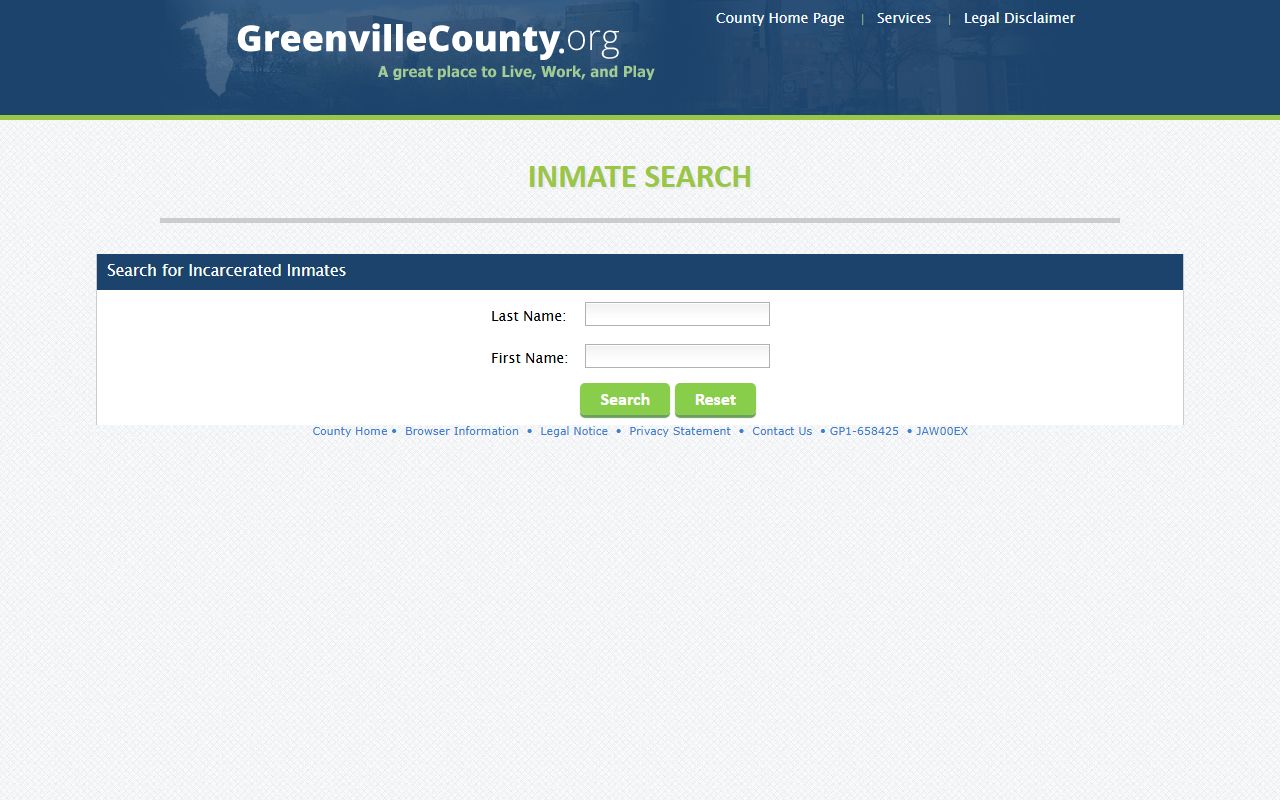
The primary repository for detained individuals in the area is the Greenville County Detention Center inmate search portal. This database allows the public to search for current inmates by name, booking number, or date of birth.
Step-by-Step Guide to Searching Official County Inmate Databases
- Identify the Correct Facility: Determine whether the subject is held at the county detention facility or a municipal holding cell.
- Visit the Official Portal: Navigate to the official Greenville County Sheriff's Office website or authorized county government portal.
- Enter Search Criteria: Input the legal first and last name of the individual. Using a middle initial or date of birth helps refine results when common names are involved.
- Review Booking Details: Examine the charge codes, bond conditions, arresting agency, and court dates associated with the record.
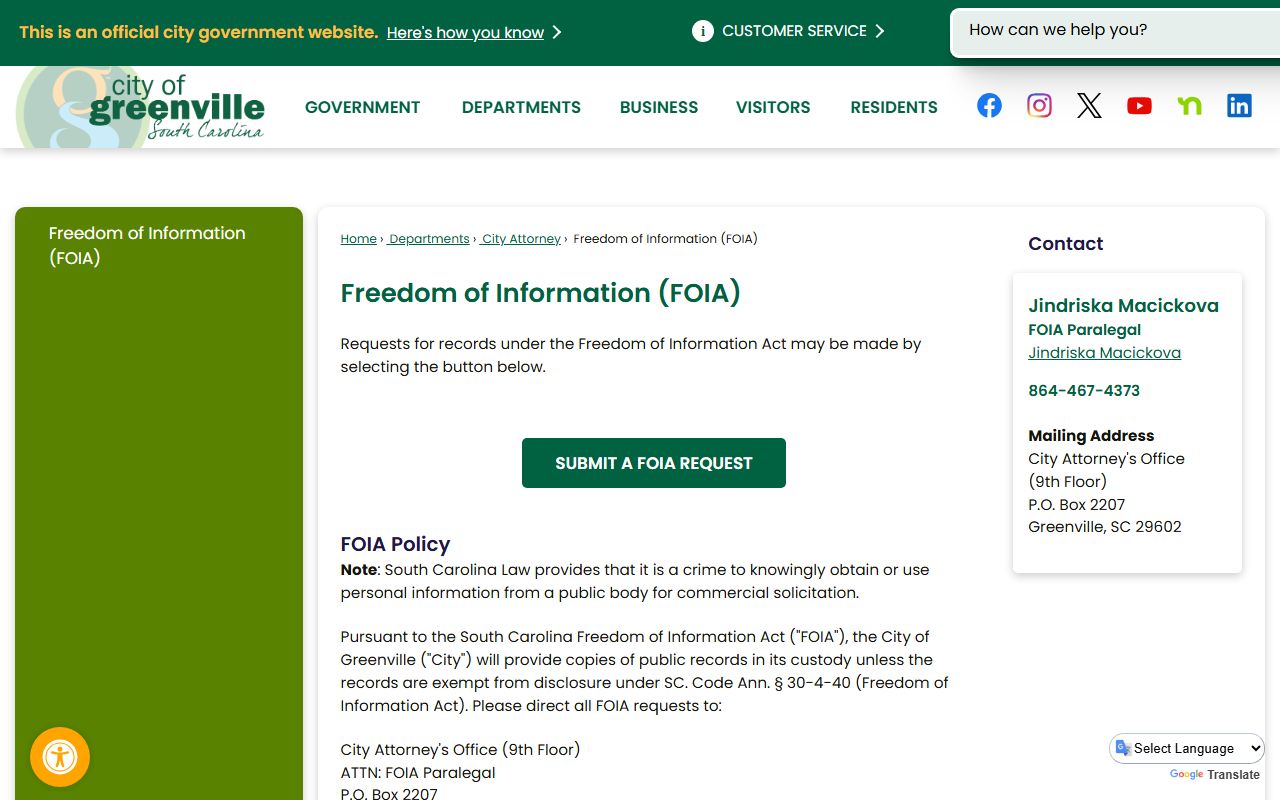
- Request Physical Copies: If digital records are insufficient for legal or administrative purposes, submit a formal Freedom of Information Act (FOIA) request to the agency's records division.
Understanding the Legal Status of Third-Party Arrest Aggregators
Numerous commercial websites index public arrest records, mugshots, and booking details. These platforms operate independently of government entities and often scrape data from official jail rosters to populate their own search indexes.
While these websites provide quick access to public data, users must exercise caution regarding accuracy, timeliness, and data privacy. Commercial aggregators are not bound by the same real-time update requirements as official law enforcement portals, meaning records of dropped charges or expungements may remain visible long after a case has been resolved in court.
Comparison of Official Government Portals vs. Third-Party Arrest Sites
| Feature | Official Government Portals | Third-Party Arrest Aggregators |
|---|---|---|
| Data Accuracy | High; directly synced with live booking systems. | Variable; data may be outdated or improperly indexed. |
| Update Frequency | Real-time or updated multiple times daily. | Delayed; dependent on web-scraping schedules. |
| Cost | Free public service funded by taxpayer resources. | Often requires subscription fees or charges removal fees. |
| Expungement Compliance | Automatically removes or seals records following court orders. | May retain cached copies despite legal expungements. |
| Legal Status | Authorized public record custodians. | Private commercial enterprises. |
Legal Rights, Privacy Laws, and Record Expungement in 2026
Public safety data is subject to strict state and federal regulations designed to balance public transparency with individual privacy rights. In 2026, legislative frameworks continue to emphasize the protection of individuals who were arrested but never convicted, as well as those who have completed their sentences and qualified for record sealing.
Under applicable state statutes, arrest records that do not result in a conviction are generally eligible for expungement under specific conditions. Once a court grants an expungement order, law enforcement agencies, courts, and state repositories must seal or destroy the records, effectively removing them from public view.
Key Statutory Protections Governing Criminal Records
- Presumption of Innocence: An arrest record is not evidence of guilt; it merely indicates that an individual was taken into custody on suspicion of a specific offense.
- Expungement Eligibility: Individuals with dismissed charges, nolle prosequi dispositions, or certain non-violent first-offense convictions may petition the court to seal their history.
- Fair Credit Reporting Act (FCRA) Guidelines: Background check companies and consumer reporting agencies are legally prohibited from reporting non-conviction arrest records older than seven years in employment screening contexts.
Frequently Asked Questions About Greenville Arrest Records
How can I find out if someone is currently in jail in Greenville?
You can search the online inmate roster provided by the Greenville County Sheriff's Office or contact the Greenville County Detention Center directly by phone to verify current custody status and booking information.
Are all arrest records in Greenville available to the general public?
Most adult arrest logs and booking photos are public records under state law, but juvenile records, cases involving sealed indictments, and expunged files are strictly restricted from public access.
Why do arrest records sometimes appear on commercial websites after charges are dropped?
Third-party websites scrape public data periodically and often fail to sync with real-time court updates, leaving outdated mugshots and charges visible even after legal resolution.
How do I request the complete incident report associated with an arrest?
You must submit a formal Freedom of Information Act (FOIA) or public records request to the specific law enforcement agency—such as the Greenville Police Department or Sheriff's Office—that investigated the incident.
Can a private employer use an old arrest record that did not result in a conviction?
Under federal guidelines and state labor regulations, consumer reporting agencies generally cannot report non-conviction arrest records that occurred more than seven years prior to an employment background check.
Practical Recommendations for Interpreting Public Safety Data
When reviewing arrest records or interacting with public safety databases in Greenville, always rely on primary government sources for official legal, employment, or housing background checks. Third-party aggregators should be avoided for critical decisions due to frequent data latency and the potential for inaccurate record matching. If you discover erroneous information on an official government portal, contact the respective agency's records division immediately to inquire about administrative correction procedures.
Image Gallery