Understanding How Much Business Managers Make a Year
Business managers earn a wide range of salaries depending on their industry, level of responsibility, geographical location, and the size of the organization they serve. In 2026, the median annual wage for general and operations manage...
Business managers earn a wide range of salaries depending on their industry, level of responsibility, geographical location, and the size of the organization they serve. In 2026, the median annual wage for general and operations managers in the United States remains highly competitive, typically ranging from $100,000 to over $160,000, though top-tier executives and those in specialized sectors often exceed $200,000 annually.
Contents
Defining the Role of a Business Manager
Before evaluating salary expectations, it is essential to distinguish between the various tiers of business management. A "business manager" can refer to a mid-level professional overseeing a specific department, an operations manager responsible for daily workflows, or a high-level executive (such as a General Manager or Director) charged with the P&L (profit and loss) responsibilities of an entire firm.
The Bureau of Labor Statistics (BLS) generally categorizes these roles under "General and Operations Managers." Because this is a broad classification, the compensation data reflects significant variances. A manager overseeing a small retail boutique will command a different market rate than a manager overseeing the regional operations of a multinational logistics corporation.
Factors Influencing Annual Compensation
When researching how much business managers make, one must consider the variables that shift the salary needle. Compensation is rarely a flat rate; it is an amalgamation of base salary, performance bonuses, equity options, and benefits.
1. Industry Sector
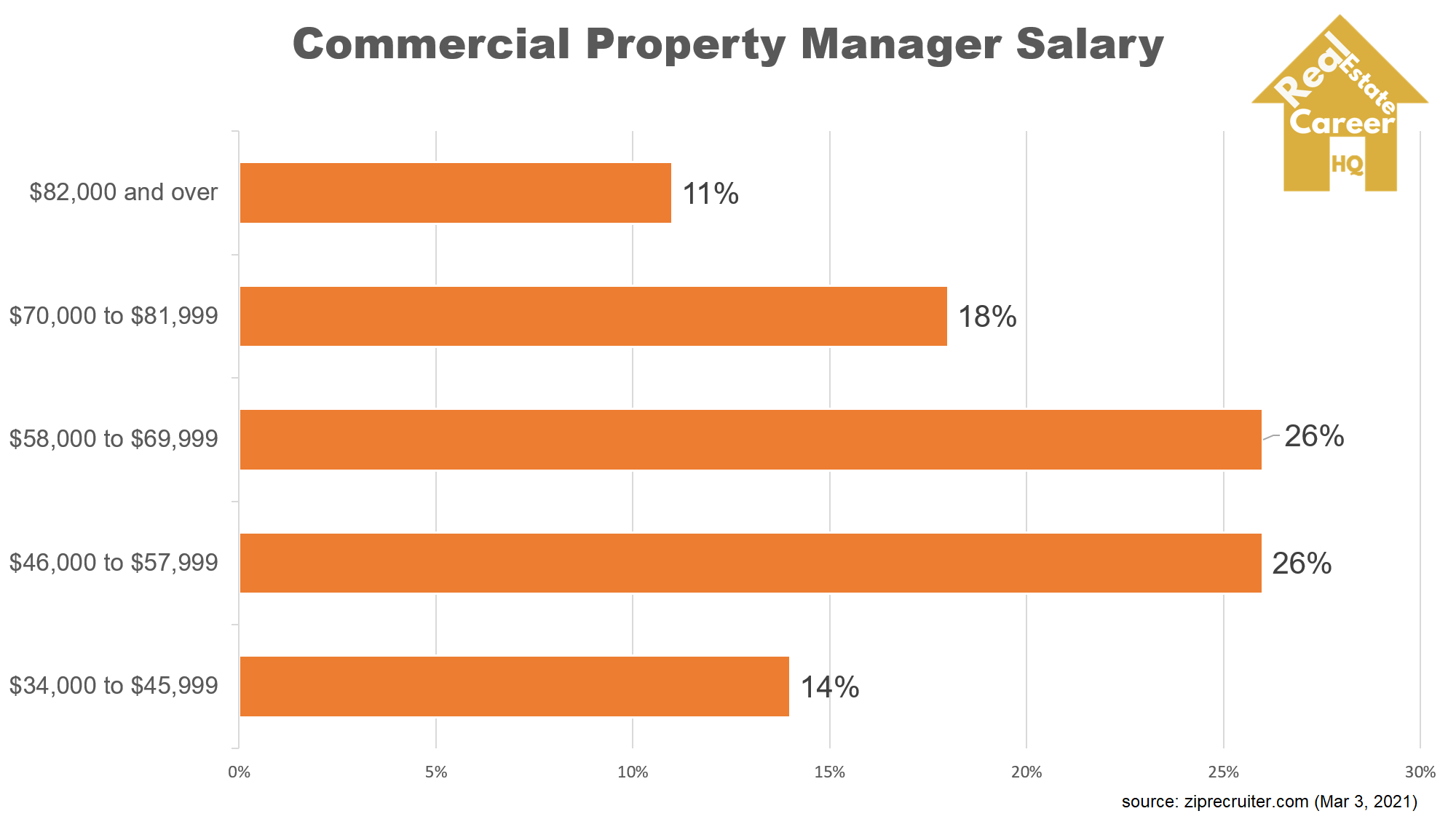
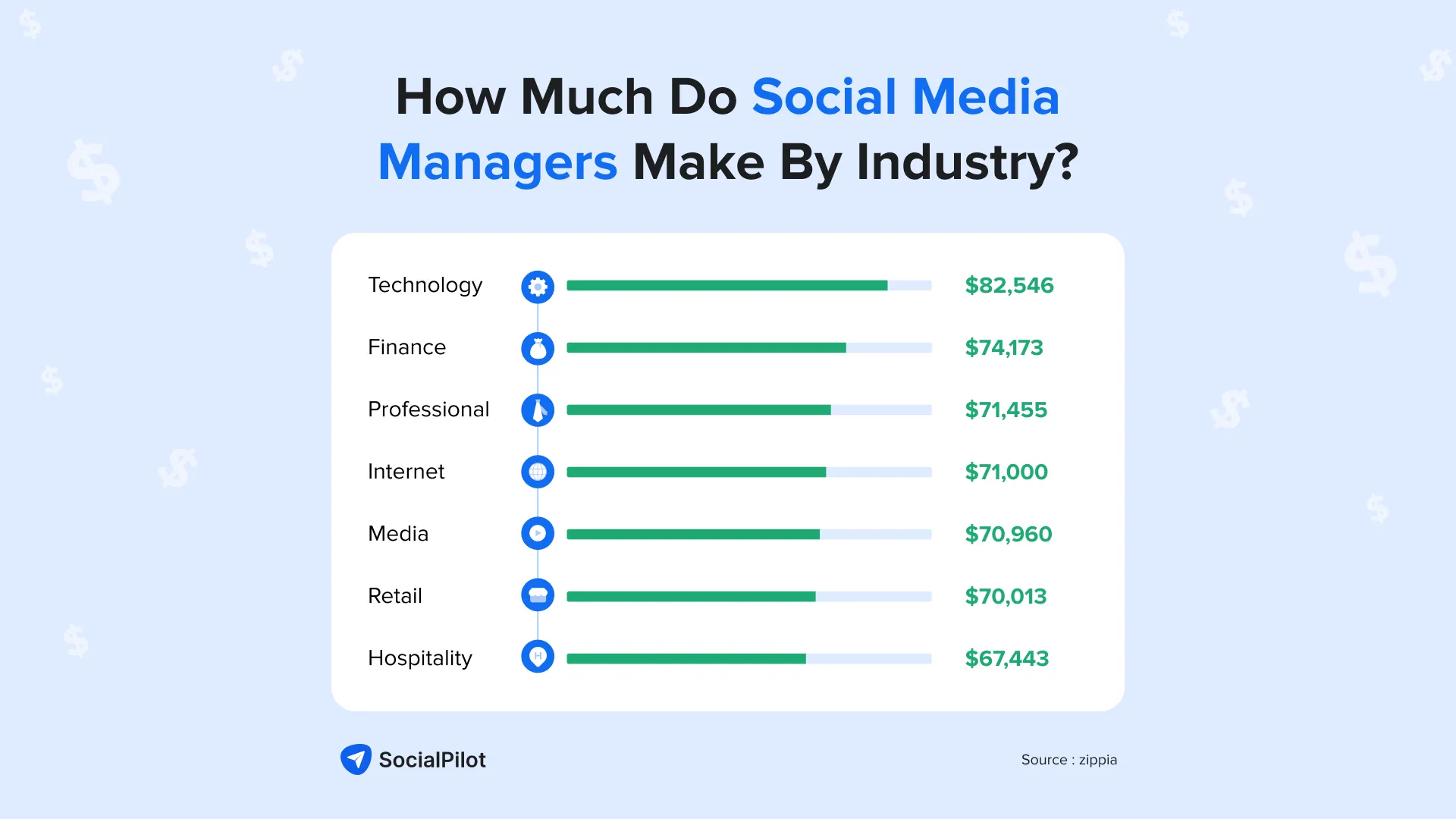
Industry remains the most significant predictor of base pay. Managers in professional, scientific, and technical services often report higher median earnings compared to those in the administrative support or social assistance sectors. The complexity of the product or service, the regulatory environment of the industry, and the scarcity of specialized talent drive these differences.
2. Organizational Scale
Revenue and headcount play critical roles. Large, publicly traded companies typically offer higher base salaries and more robust stock-based compensation packages. Smaller companies or startups may offer lower base pay but may compensate with higher equity potential, which carries more risk but offers significant upside.
3. Geographical Economic Indicators
Salary benchmarks are heavily influenced by the cost of living and the concentration of business hubs. Managers in major metropolitan areas such as New York, San Francisco, or Chicago generally earn significantly more than their counterparts in rural areas. However, this is often balanced by a higher local cost of housing and daily expenses.
Comparative Salary Expectations by Segment
The following table provides an estimated look at annual compensation ranges for 2026, based on organizational size and complexity. Note that these figures reflect total compensation packages, including base salary and standard annual incentives.
| Management Level | Typical Salary Range (USD) | Primary Responsibility Scope |
|---|---|---|
| Junior/Department Manager | $75,000 – $105,000 | Single department or team |
| Operations Manager | $100,000 – $155,000 | Multi-departmental/Daily ops |
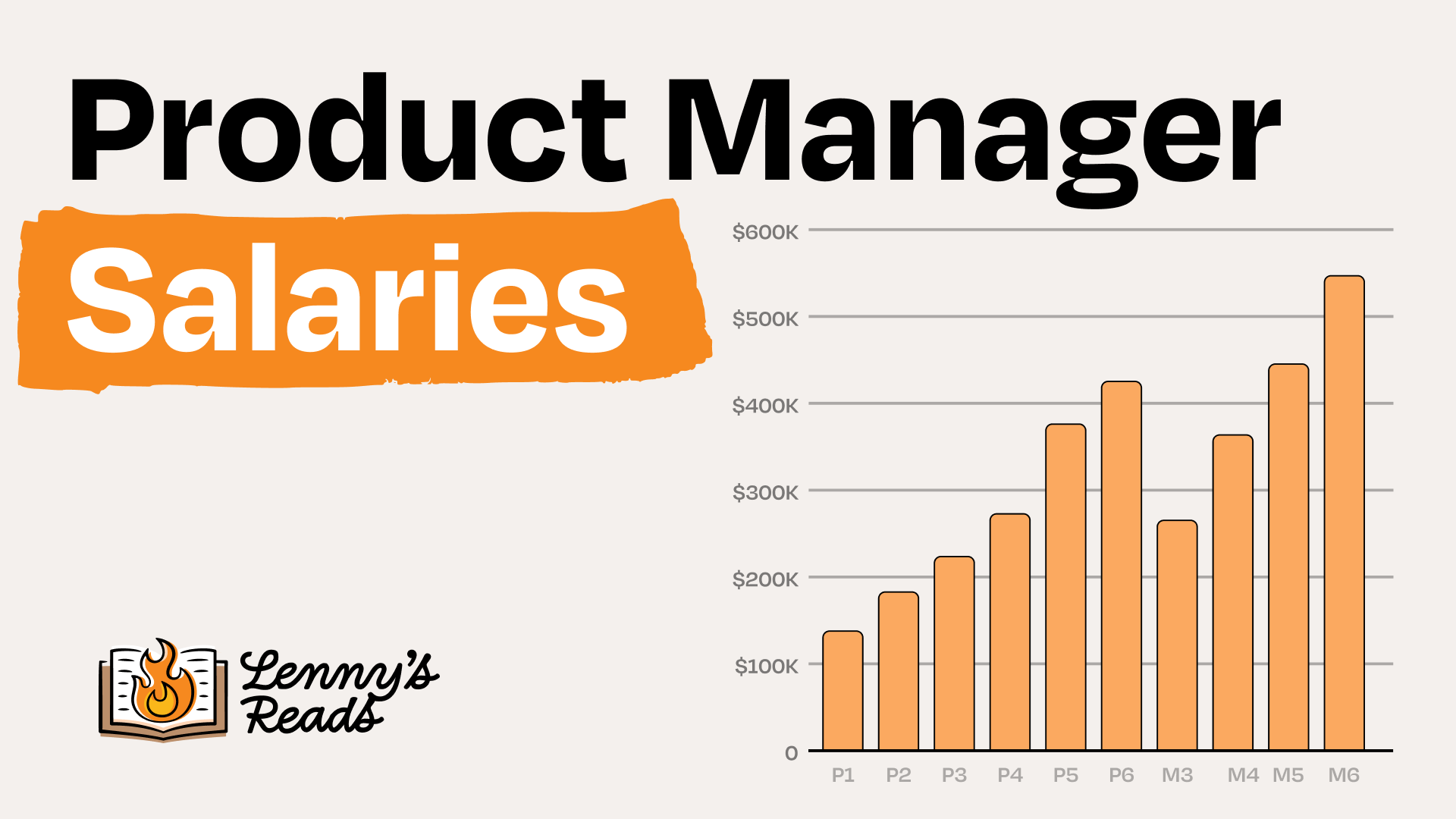
| General Manager | $140,000 – $220,000 | P&L responsibility for a unit |
| Senior Executive/Director | $200,000+ | Enterprise-wide strategic goals |
The Composition of Total Pay
It is a common error to equate "making" a certain amount with only the base salary. For mid-to-senior management positions, total compensation often follows a "pay for performance" model.
- Base Salary: The fixed, guaranteed portion of your annual earnings.
- Annual Incentives: Bonuses tied to Key Performance Indicators (KPIs). These are often based on company-wide revenue targets, departmental efficiency, or individual performance reviews.
- Long-Term Incentives (LTIs): Common at the senior level, including stock options or restricted stock units (RSUs) that vest over several years.
- Benefits and Perks: High-level business management roles often include comprehensive health coverage, executive retirement plans, car allowances, and travel stipends, which should be valued as part of the total remuneration.
Career Path and Salary Progression
A career in business management is rarely static. Professionals typically start in functional roles—such as finance, sales, or logistics—before transitioning into general management. As you gain more oversight of people and assets, your market value increases.
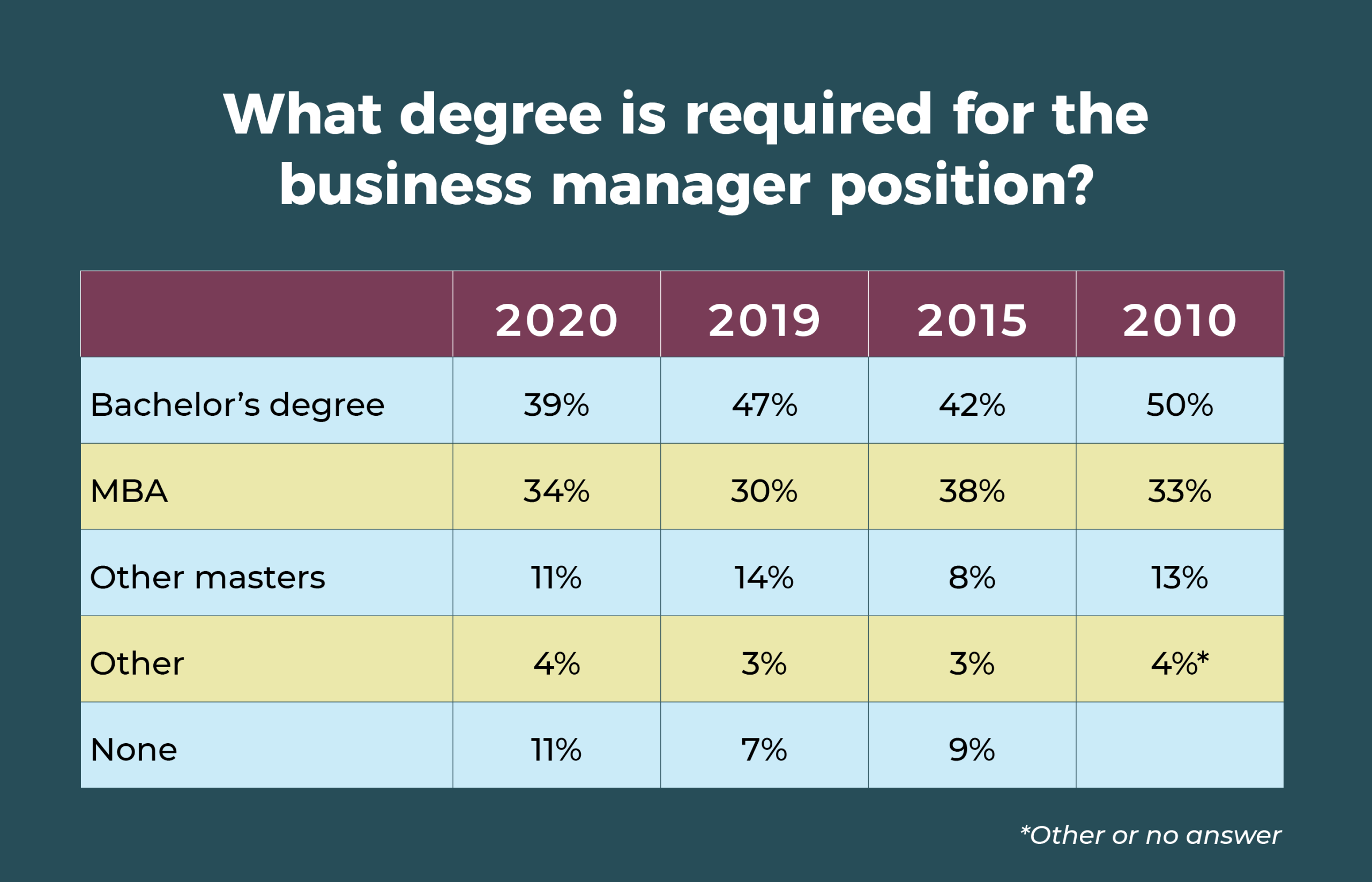
The most effective way to influence your salary trajectory is to accumulate verifiable results. Metrics such as cost-saving initiatives, revenue growth, successful project implementation, and effective team retention are what recruiters and boards look for when determining compensation packages. Furthermore, certifications like a Project Management Professional (PMP) or an advanced degree like an MBA can provide the necessary leverage to negotiate higher compensation brackets.
Common Misconceptions Regarding Earnings
One common misunderstanding is that business management salaries are strictly linear. Many believe that 10 years of experience guarantees a specific salary threshold. In reality, the market favors results over longevity. A manager who has successfully led a digital transformation or navigated a company through a merger will often command a higher premium than a manager who has maintained the status quo for a longer period.
Additionally, "business manager" can be a title used in disparate ways across different fields. In the entertainment industry, a business manager may manage the personal finances of high-net-worth individuals, which is a niche field with a commission-based pay structure. In contrast, a business manager at an automotive plant is an industrial operations expert. Ensure you are comparing your role against the correct peer group to get an accurate reading of your market worth.
Frequently Asked Questions
Does having an MBA significantly increase a business manager's salary? An MBA can provide a competitive edge and may open doors to higher-level management roles that offer significantly larger compensation packages. However, the value of an MBA is often tied to the prestige of the institution and the manager's ability to apply those skills in a real-world setting.
Are bonuses usually included in salary reports? Official salary data from organizations like the BLS usually captures gross income, which includes bonuses and incentives. However, when you see a "median salary" figure, realize that this is the middle point—half of the individuals earn more, and half earn less.
How often should a business manager negotiate their salary? Standard professional practice suggests reviewing your compensation annually. If you have taken on significantly more responsibility or have documented success with high-impact projects, you have a strong basis to request a market adjustment.
What is the impact of remote work on management salaries? In 2026, remote work has somewhat leveled the geographic pay gap for many sectors. However, many firms still adjust base pay based on the "cost of labor" in the region where the employee resides.
Is it common for business managers to receive equity? While equity is standard for C-suite and senior executive roles, it is increasingly common for operations managers in the technology and startup sectors to receive equity as part of their incentive package.
Final Recommendations for Compensation Benchmarking
If you are currently evaluating your salary or negotiating a new offer, do not rely on a single source. Use a combination of verified government labor statistics, industry-specific salary surveys (often published by professional associations), and networking with recruiters who specialize in your specific sector. Before initiating a salary conversation, document your specific contributions—such as the exact dollar amount of revenue generated or the percentage of operational costs saved. This evidence-based approach is the most effective way to ensure your compensation aligns with your performance and the current market rate in 2026.
Image Gallery