What Is the Gaithersburg Time Zone? Current Time and DST Rules
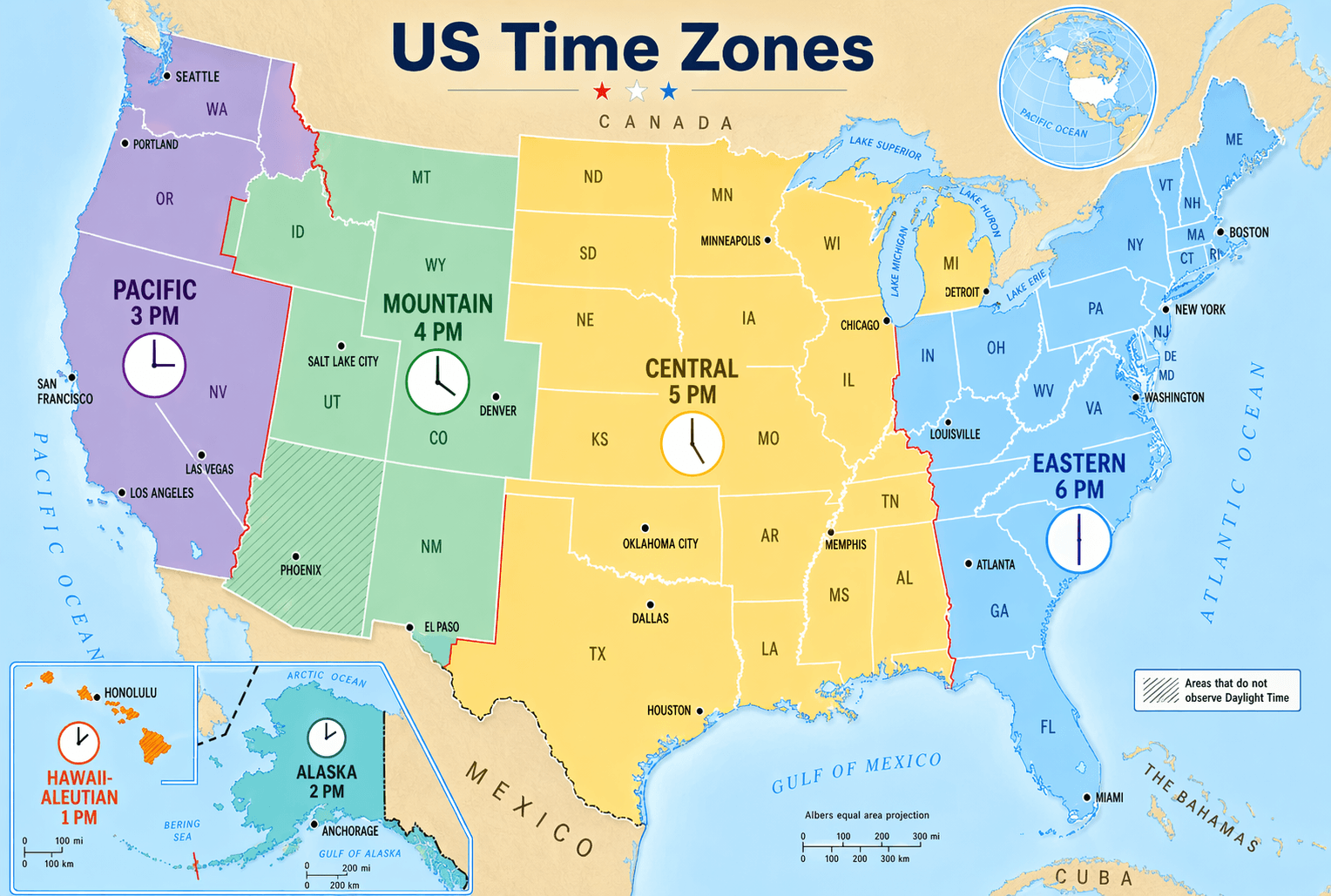
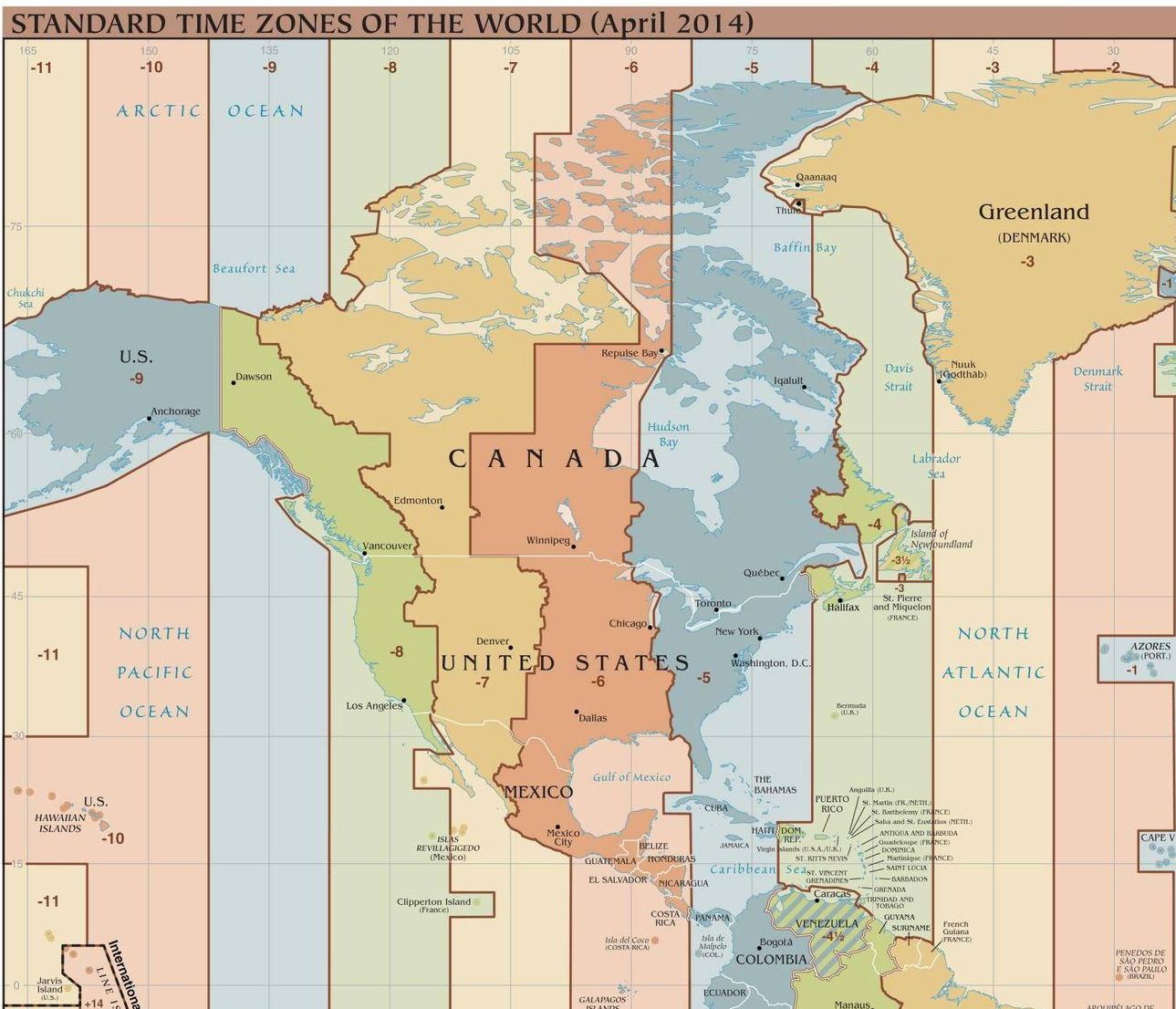
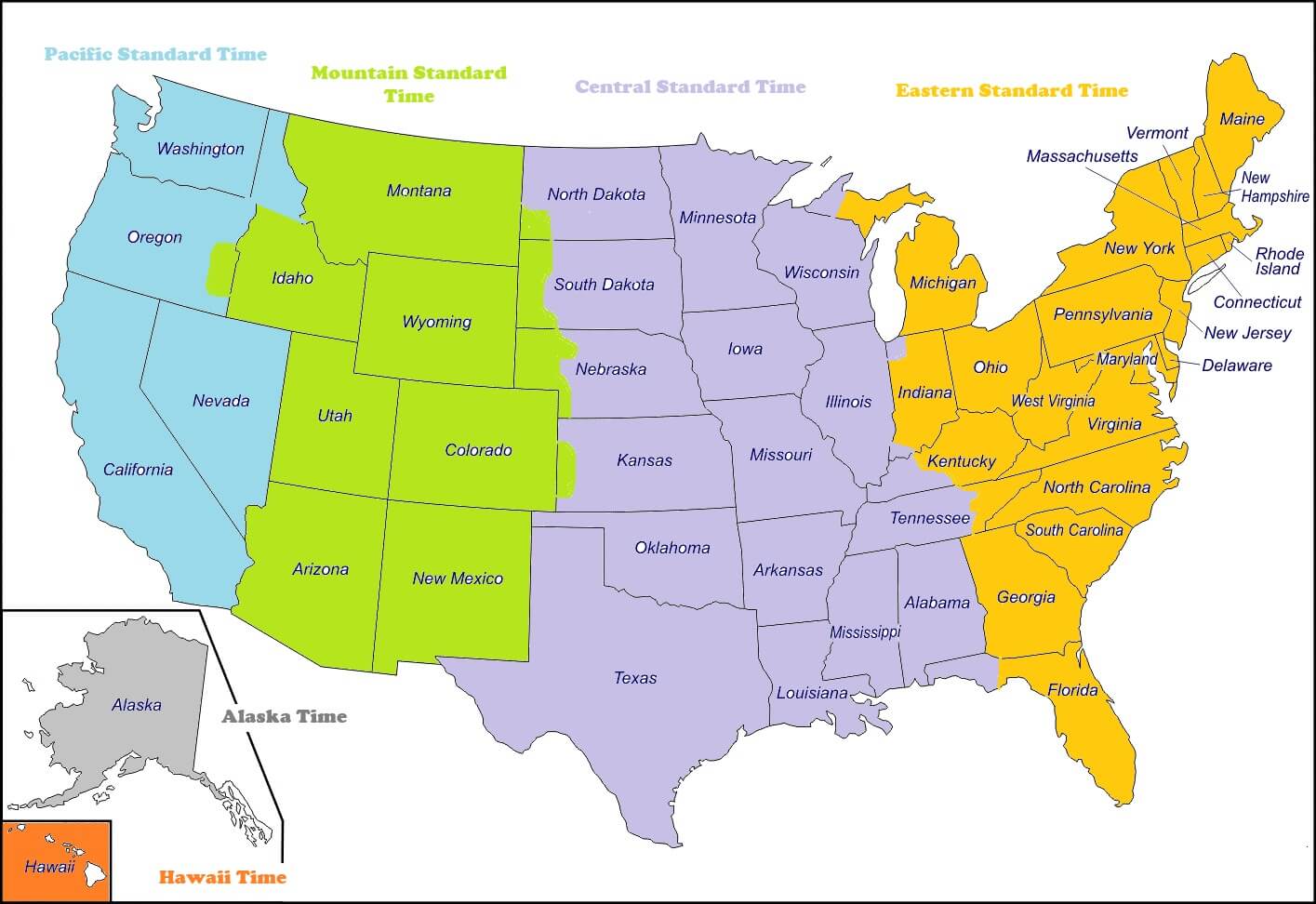
Gaithersburg, Maryland, is located in the Eastern Time Zone. During the winter months, the city observes Eastern Standard Time (EST), which is five hours behind Coordinated Universal Time (UTC-5). From March to November, it shifts to E...
Gaithersburg, Maryland, is located in the Eastern Time Zone. During the winter months, the city observes Eastern Standard Time (EST), which is five hours behind Coordinated Universal Time (UTC-5). From March to November, it shifts to Eastern Daylight Time (EDT), which is four hours behind Coordinated Universal Time (UTC-4).
Contents
Understanding Eastern Time in Gaithersburg, Maryland
To understand the Gaithersburg time zone, one must first recognize its position within the United States' temporal geography. Gaithersburg is a major city in Montgomery County, Maryland, situated within the I-270 technology corridor. Because it is located on the East Coast of the United States, it follows the same timekeeping standards as Washington, D.C., New York City, and Atlanta.
The Eastern Time Zone is the most populous time zone in the United States, encompassing nearly half of the country's population and its financial centers. For residents and businesses in Gaithersburg, time is governed by the Uniform Time Act of 1966, which established a synchronized schedule for Daylight Saving Time (DST) across the majority of the nation.
Eastern Standard Time (EST) vs. Eastern Daylight Time (EDT)
The "time zone" for Gaithersburg is actually a dual system that switches twice a year.
Eastern Standard Time (EST) is the baseline for the region. It is used during the late autumn and winter months. When Gaithersburg is on EST, it is exactly five hours behind Coordinated Universal Time (UTC). This period is often characterized by shorter daylight hours and earlier sunsets, usually occurring before 5:30 PM in the heart of December.
Eastern Daylight Time (EDT) is the modified time used during the spring, summer, and early autumn. By advancing the clocks by one hour, the community "saves" daylight in the evening. During this phase, Gaithersburg is four hours behind UTC. This shift allows for sunsets to occur as late as 8:30 PM during the summer solstice, facilitating outdoor commerce and recreation.
2026 Daylight Saving Time Schedule for Gaithersburg
In 2026, Gaithersburg follows the standard federal schedule for time changes. These transitions occur at 2:00 AM local time on the designated Sundays. It is important for travelers and remote professionals to mark these dates to avoid scheduling conflicts with Maryland-based entities.
When Do the Clocks Change in 2026?
The transition to "Spring Forward" occurs in March, while the "Fall Back" transition occurs in November.
- March 8, 2026: At 2:00 AM, clocks move forward one hour to 3:00 AM. This marks the beginning of Eastern Daylight Time (EDT). You will lose one hour of sleep on this night, but gain an extra hour of evening sunlight for the next eight months.
- November 1, 2026: At 2:00 AM, clocks move backward one hour to 1:00 AM. This marks the return to Eastern Standard Time (EST). This transition provides an extra hour of sleep and brighter mornings, though darkness will arrive significantly earlier in the afternoon.
The primary purpose of these changes remains the reduction of energy consumption and the alignment of human activity with natural solar cycles. For a technology-heavy city like Gaithersburg, these shifts are programmed automatically into most digital systems, but manual adjustments are still required for analog timepieces and some household appliances.
Geographic and Administrative Context
Gaithersburg’s time zone is not just a matter of longitude; it is a matter of administrative alignment. Geographically, Gaithersburg is located at approximately 39.14° N latitude and 77.20° W longitude. This puts it squarely within the boundaries of the Eastern Time Zone, which roughly follows the 75th meridian west.
The Influence of Washington D.C. and Montgomery County
Because Gaithersburg is a critical satellite city to the nation's capital, its time synchronization is vital for the regional economy. Thousands of residents commute daily from Gaithersburg to Washington, D.C., or to neighboring hubs like Bethesda and Rockville.
The Maryland General Assembly oversees state-level decisions regarding time observation. While there have been occasional legislative discussions regarding the permanent adoption of Daylight Saving Time (effectively moving Maryland into the Atlantic Time Zone or staying on EDT year-round), as of 2026, Maryland continues to follow the federal standard alongside its neighbors in Virginia, Pennsylvania, and Delaware. Any change to this would require federal approval under current U.S. statutes.
Coordinating with Gaithersburg: A Business and Technical Perspective
For organizations operating internationally or across different U.S. states, knowing the Gaithersburg time zone is essential for logistics and communication. Gaithersburg is home to major federal institutions and private corporations that rely on precise timekeeping.
NIST and the Science of Time in Gaithersburg
Interestingly, Gaithersburg holds a unique place in the world of chronometry. It is the headquarters of the National Institute of Standards and Technology (NIST). NIST, an agency of the U.S. Department of Commerce, is responsible for maintaining the official time for the United States.
While the NIST F-1 and F-2 atomic clocks are located in Boulder, Colorado, the administrative and research heart of the agency is in Gaithersburg. This means that the very standards used to define the "Eastern Time Zone" are managed by scientists working within Gaithersburg city limits. For technical professionals, Gaithersburg is effectively the "time capital" of America.
For businesses in the biotech and cybersecurity sectors—two industries that dominate the Gaithersburg landscape—time synchronization is a technical requirement. Server logs, transaction timestamps, and laboratory experiments must all be calibrated to the Eastern Time standard to ensure data integrity and legal compliance.
Time Zone Comparisons and Global Offsets
When scheduling meetings or data transfers involving Gaithersburg, it is helpful to visualize the offset relative to other major global hubs. The following table illustrates the time differences during the two phases of 2026.
| Global City | Offset from Gaithersburg (EST - Winter) | Offset from Gaithersburg (EDT - Summer) |
|---|---|---|
| London, UK | Gaithersburg is 5 hours behind | Gaithersburg is 5 hours behind* |
| Los Angeles, CA | Gaithersburg is 3 hours ahead | Gaithersburg is 3 hours ahead |
| Chicago, IL | Gaithersburg is 1 hour ahead | Gaithersburg is 1 hour ahead |
| Tokyo, Japan | Gaithersburg is 14 hours behind | Gaithersburg is 13 hours behind |
| Paris, France | Gaithersburg is 6 hours behind | Gaithersburg is 6 hours behind* |
| New Delhi, India | Gaithersburg is 10.5 hours behind | Gaithersburg is 9.5 hours behind |
*Note: European Summer Time transitions occur on different dates than U.S. Daylight Saving Time, leading to brief periods in March and October where the offset may vary by one hour.
Frequently Asked Questions
Does Gaithersburg ever change its time zone?
No, Gaithersburg remains in the Eastern Time Zone year-round. However, it alternates between Standard Time (EST) and Daylight Time (EDT) according to the federal schedule. The city does not have the authority to change its time zone independently of the State of Maryland and the U.S. Department of Transportation.
Is Gaithersburg the same time as New York City?
Yes. Both Gaithersburg and New York City are located in the Eastern Time Zone. Whether it is summer or winter, these two cities will always show the same time on their clocks, making coordination for business and travel between the two locations seamless.
What happens if I am in Gaithersburg during the "Spring Forward" weekend?
If you are in Gaithersburg on the second Sunday of March (March 8, 2026), your devices will jump from 1:59 AM to 3:00 AM. If you have an early morning flight from Baltimore-Washington International (BWI) or Dulles International (IAD), you must account for the "lost" hour to ensure you arrive at the airport on time.
Why is NIST located in Gaithersburg?
The National Institute of Standards and Technology moved its headquarters to Gaithersburg in the 1960s to accommodate the need for expanded laboratory space that was not available in Washington, D.C. The facility's location allows it to serve as a central node for scientific standards, including the dissemination of official U.S. time.
Does the Gaithersburg time zone affect the I-270 commute?
Indirectly, yes. The transition to Eastern Standard Time in November results in much earlier sunsets, which can impact visibility and safety during the evening rush hour on I-270 and the ICC (MD-200). Conversely, the shift to Daylight Time in March provides more light for the evening commute, which many residents find beneficial for safety and mood.
Practical Recommendations for Residents and Visitors
For those moving to or visiting Gaithersburg in 2026, managing the time zone is relatively straightforward. Most smartphones and computers utilize Network Time Protocol (NTP) to sync with atomic clocks (many of which are managed by NIST). As long as your device's "Set Automatically" feature is enabled, your clock will update without intervention.
If you are a business owner in the Gaithersburg area, ensure that your scheduling software accounts for the March and November transitions, particularly if you have clients in Arizona or Hawaii, as those states do not observe Daylight Saving Time. Additionally, if you work in a laboratory or a data center near the Quince Orchard or Kentlands areas, verify that your timestamping protocols are synced to the Eastern Time offsets to maintain accurate record-keeping during the 2026 transition windows.
Image Gallery