Where to Buy a Used Motorcycle Safely: Platform Comparison and Safety Guide
Buying a used motorcycle safely requires selecting a secure purchasing venue—such as certified franchised dealerships, verified online marketplaces, or local private sales using secure transactions—and systematically validating the bik...
Buying a used motorcycle safely requires selecting a secure purchasing venue—such as certified franchised dealerships, verified online marketplaces, or local private sales using secure transactions—and systematically validating the bike's title, history, and mechanical condition. Prioritizing seller verification, pre-purchase inspections, and secure payment methods protects buyers from financial fraud, stolen inventory, and hidden structural damage.
Contents
Primary Outlets for Purchasing a Used Motorcycle
Navigating the pre-owned motorcycle market requires balancing convenience, inventory selection, price, and consumer protection. Different buying channels carry distinct safety profiles and operational trade-offs.
Used Motorcycle Outlets:
- Franchised Dealerships
- Lower Risk
- Inspection / Warranty
- Higher Price
- Dedicated Marketplaces
- Verified Listings
- Regional Scope
- Escrow Options
- Peer-to-Peer General Platforms
- Lower Prices
- High Fraud Risk
- DIY Inspection
1. Franchised and Independent Dealerships
Authorized franchised dealerships (e.g., Honda, Yamaha, BMW, Harley-Davidson) and reputable independent powersports retailers represent the safest buying channel for risk-averse purchasers.
- Safety & Protections: Dealerships are subject to state licensing requirements, consumer protection statutes, and mandatory title disclosures. Most licensed dealers pre-screen trade-ins, conduct multi-point safety inspections, and offer short-term limited warranties (typically 30 to 90 days) or certified pre-owned (CPO) programs.
- Cost Factor: Dealer inventory carries a premium over private-party sales to cover overhead, reconditioning, and administrative processing fees (often including document or prep fees).
- Best For: First-time buyers, riders seeking financing options, and individuals who prefer legal recourse and warranty coverage over bottom-dollar pricing.
2. Specialized Online Powersports Marketplaces
Specialized online platforms—such as CycleTrader, Motohunt, and auction sites like Bring a Trailer or Iconic Motorbikes—concentrate exclusively on motorcycle listings.
- Safety & Protections: These platforms frequently offer identity-verification badges for sellers, integrated vehicle history reports (such as Carfax or AutoCheck), and curated listings. Specialty auction sites often require comprehensive photograph sets, engine cold-start videos, and verified titling documents before a listing goes live.
- Cost Factor: Prices are generally competitive, reflecting true market values across regional and national demographics.
- Best For: Buyers seeking specific motorcycle models, vintage machines, or mid-to-high-end inventory from remote or out-of-state sellers.
3. General Peer-to-Peer Online Marketplaces
Peer-to-peer (P2P) general marketplaces, including Facebook Marketplace, Craigslist, and OfferUp, host the largest volume of private-party used motorcycle listings.
- Safety & Protections: These platforms offer minimal intrinsic buyer protection. The onus of identity verification, title checking, and mechanical evaluation falls entirely on the buyer. Scams, stolen vehicles, curbstoners (unlicensed dealers acting as private individuals), and title-washing schemes occur more frequently on open peer-to-peer platforms.
- Cost Factor: Prices on private peer-to-peer sites are generally 10% to 25% lower than retail dealership pricing, as there are no dealer markup fees.
- Best For: Experienced riders, mechanical DIYers, and buyers comfortable conducting rigorous background checks and managing face-to-face cash or bank-wire transactions safely.
Crucial Steps to Verify a Used Motorcycle and Seller
Regardless of where a listing is found, executing a rigorous verification protocol before transferring funds is essential to avoiding legal and financial pitfalls.
1. VIN Tracking and Theft Status Verification
Every modern motorcycle manufactured for highway use features a 17-digit Vehicle Identification Number (VIN) stamped onto the steering neck frame frame rail and printed on the manufacturer's data label.
Before visiting the bike or sending a deposit:
- Check Theft Records: Run the 17-digit VIN through the free National Insurance Crime Bureau (NICB) VINCheck database to verify that the motorcycle has not been reported as stolen or declared an unrecovered salvage loss.
- Check Safety Recalls: Enter the VIN into the NHTSA Safety Recalls Portal to identify outstanding safety recalls, fuel-system defects, or structural component replacements that require authorized service.
- Obtain a Full History Report: Purchase an AutoCheck or Carfax vehicle history report to verify title history, prior ownership transfers, odometer accuracy, and recorded insurance total-loss declarations.
2. Title Integrity and Paperwork Inspection
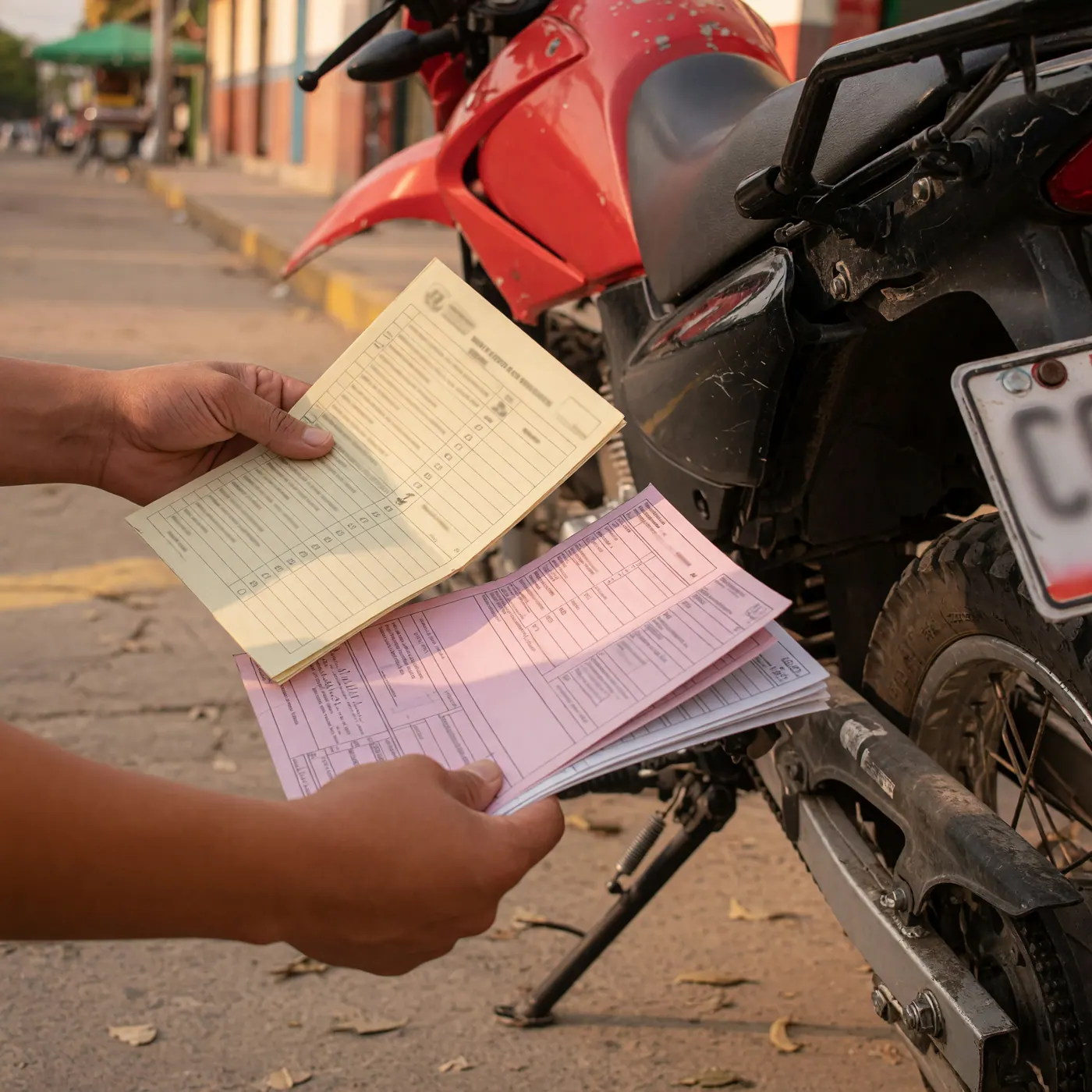
Title fraud is one of the most widespread risks in private-party motorcycle sales. Never purchase a motorcycle without verifying the physical title document in person.
- Verify the Physical Title: Inspect the original physical certificate of title. Ensure the seller’s photo ID exactly matches the registered owner’s name on the front of the title. If the seller claims to be selling the bike for a relative or friend without a legal Power of Attorney document, halt the transaction.
- Check Title Brands: Look for "Title Brands" on the document. Terms such as Salvage, Rebuilt, Junk, Lemon, or Flood significantly diminish the motorcycle's resale value and make securing collision insurance difficult or impossible.
- Confirm Lien Releases: If the title shows a lienholder (such as a bank or finance company), demand an official, original Lien Release letter signed and stamped by the financial institution. Alternatively, complete the closing transaction directly at the lienholder's local bank branch.
3. Conducting a Rigorous Physical and Mechanical Inspection
A comprehensive mechanical check prevents unexpected repair costs. When evaluating a used motorcycle, perform the following static and operational checks:
Pre-Purchase Inspection Check:
Frame & VIN Check
- Steering head welds
- Stamped VIN match
- Frame straightness
Mechanical Wear Items
- Brake rotor thickness
- Drive chain & sprockets
- Tire DOT date code
Electrical & Fluids
- Battery voltage
- Cold-engine start
- Stator output
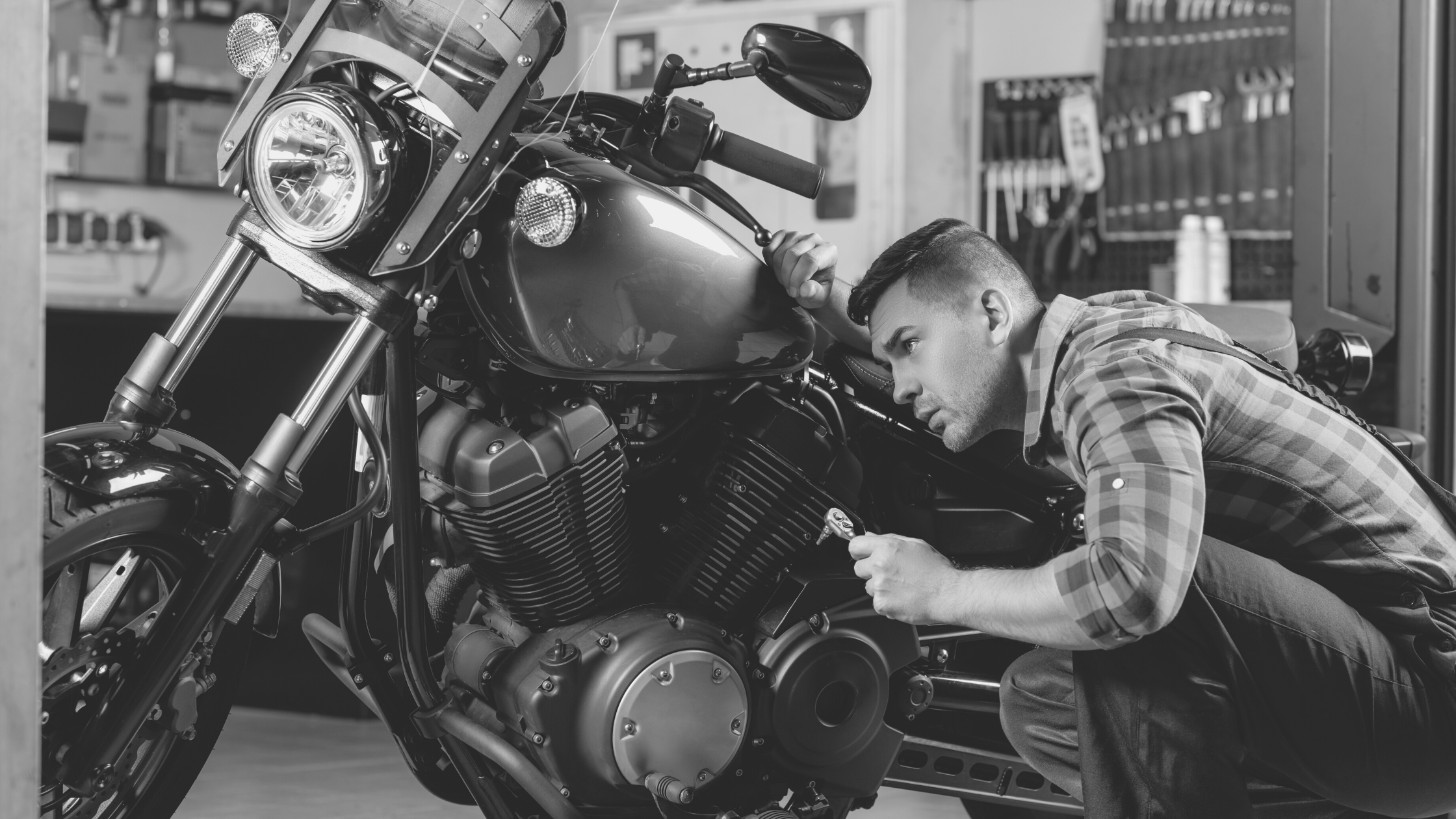
Frame and Steering Alignment: Inspect the steering head stock, engine mounting points, and swingarm pivots for cracked welds, flaking paint, or rippled metal—key indicators of prior major crash impacts. Ensure the stamped VIN on the frame neck matches the paper title exactly.
Cold Engine Start: Request that the seller leave the engine completely cold prior to your arrival. Feel the exhaust headers to ensure they are cool to the touch before starting. A cold start exposes worn starter motors, failing automatic chokes, valvetrain noise, or excessive exhaust smoke that warm engines often conceal.
Suspension and Seals: Compress the front forks repeatedly while holding the front brake lever. Look for oil film or active leaks on the chrome inner fork stanchions, which signal blown fork seals. Inspect the rear shock absorber for dampness, rust, or lost damping resistance.
Brakes, Tires, and Drive Line: Measure tire tread depth and check the four-digit DOT manufacturing date code on the tire sidewall (e.g., "1223" indicates the 12th week of 2023). Motorcycle tires older than five to six years require replacement regardless of remaining tread. Check brake rotor thickness for grooving and inspect the drive chain and sprockets for hooked teeth or rust.
If you lack mechanical experience, hire a certified mobile motorcycle technician or schedule a Pre-Purchase Inspection (PPI) at a licensed shop before finalizing the purchase.
Comparing Buying Outlets
The following table breaks down the risk levels, pricing expectations, buyer protections, and practical considerations associated with each used motorcycle purchasing venue:
| Venue / Platform Type | Operational Risk Level | Average Price Premium | Buyer Protection Level | Required Inspection Effort | Best Suited For |
|---|---|---|---|---|---|
| Franchised Dealerships | Low | High (+15% to 25% over private) | High (State laws, CPO programs, short warranties) | Minimal (Shop performs initial multi-point check) | Beginner riders, buyers needing financing, low-risk tolerance |
| Specialized Online Marketplaces | Medium-Low | Moderate (Market-rate pricing) | Moderate (Verified listings, escrow integration options) | Moderate (Remote inspection or local PPI required) | Buyers seeking specific models, rare builds, or regional selection |
| Peer-to-Peer Marketplaces | High | Low (Market floor baseline) | Low (Sold "As-Is", no native recourse) | High (Full mechanical and title audit mandatory) | Experienced mechanics, bargain seekers, local cash buyers |
| Powersports Auctions | Medium-High | Variable (Bidding dependent) | Moderate-Low (Curated descriptions, zero post-sale warranty) | High (Virtual review, review of detailed media files) | Collectors, seasoned enthusiasts, restoration builders |
Safe Payment Methods and Preventing Scams
Financial transactions involving thousands of dollars attract sophisticated fraud. Protecting your money requires using secure payment channels and knowing how to spot common red flags.
Recommended Payment Methods
- In-Person Bank Transfer or Cashier’s Check: Meet the seller directly inside your bank or credit union branch. The teller can issue a certified cashier’s check or facilitate an electronic wire transfer directly to the seller while verifying the title paperwork on-site.
- Verified Vehicle Escrow Services: For remote or shipped purchases, use a reputable, independent vehicle escrow service (such as Escrow.com). Escrow services hold the buyer's funds in a trust account and only release payment to the seller once the motorcycle is delivered, inspected, and accepted by the buyer within an agreed-upon timeframe.
- Cash (with Safety Precautions): If paying cash for local peer-to-peer sales, conduct the exchange at a designated police station "Safe Exchange Zone" or inside a bank lobby. Never travel alone to an unfamiliar or isolated location carrying large sums of cash.
Red Flags to Avoid
- Fake Escrow Websites: Fraudulent sellers often send links to fake third-party escrow or shipping websites that mirror legitimate platforms. Always independently navigate to established escrow services rather than clicking links provided in emails or messaging apps.
- Unwillingness to Meet in Person or Video Call: Be cautious of sellers claiming to be deployed military personnel, remote contractors, or grieving relatives who refuse a live video walkaround of the motorcycle or an in-person meeting.
- Priced Far Below Market Value: If a low-mileage, late-model motorcycle is listed at 50% below its standard Kelley Blue Book or NADA market value, it is almost certainly a scam, stolen property, or a vehicle with severe undisclosed frame damage.
- Sellers Demanding Wire Transfers or Gift Cards: Requests for payment via non-recoverable methods like Western Union, MoneyGram, cryptocurrency, or retail gift cards are definitive indicators of fraud. According to the Federal Trade Commission (FTC) Vehicle Buying Advice, legitimate sellers will never require payment through non-traceable gift cards or untraceable wire transfers.
Legal and Paperwork Checklist
Completing the transaction properly ensures you can register and insure your motorcycle legally without facing unexpected tax liabilities or titling roadblocks.
POST-PURCHASE LEGAL CHECKLIST:
- Signed Original Title (Seller & Buyer signatures matched)
- Official Bill of Sale (Date, VIN, Price, Odometer reading)
- Lien Release Form (If lienholder listed on title)
- State-Required Odometer Disclosure Statement
- Active Motorcycle Insurance Coverage Policy
- Department of Motor Vehicles (DMV) Registration Transfer
- Bill of Sale: Draft a comprehensive Bill of Sale signed by both parties. It should explicitly state the date of sale, purchase price, motorcycle year, make, model, VIN, current odometer reading, and the full names, addresses, and signatures of both buyer and seller.
- Title Assignment: Ensure the seller completes the "Assignment of Title" section on the back of the original physical title. Pay close attention to signature fields; spelling errors or crossed-out text can invalidate the title, requiring the seller to apply for a duplicate title through their state Department of Motor Vehicles (DMV).
- Insurance Coverage: Secure motorcycle liability and physical damage insurance coverage before taking delivery or riding the bike home. Insurance companies require the VIN, year, make, and engine displacement to issue a policy binder.
Disclaimer: Vehicle registration laws, title transfer requirements, and bill-of-sale regulations vary by state and jurisdiction. Consult your local Department of Motor Vehicles or legal professional to ensure full compliance with regional motor vehicle codes.
Frequently Asked Questions
What is the safest way to pay a private seller for a used motorcycle?
The safest method is completing the financial exchange directly inside a local bank branch. The bank teller can issue a certified cashier’s check while both parties sign the title documents in a secure, monitored environment. For remote purchases, utilizing an established, independent escrow service provides financial protection by holding funds until the vehicle is delivered and verified.
How can I check if a used motorcycle has an active lien against it?
Inspect the face of the physical title for any listed lienholder, such as a bank, credit union, or finance company. If a lien is noted, the seller must provide an official, original Lien Release document signed by the financial institution. You can also contact your local DMV or run a certified vehicle history report using the motorcycle's 17-digit VIN to confirm lien status.
Is it better to buy a used motorcycle from a private seller or a dealer?
Buying from a licensed dealership offers greater buyer protection, legal recourse, financing options, and included warranties, though at a higher purchase price. Purchasing from a private seller yields lower prices, but requires the buyer to independently handle all mechanical inspections, background checks, title verifications, and DMV registration processes without warranty coverage.
What should I do if the seller does not have the physical title?
Avoid purchasing a motorcycle from a private seller who lacks a clear physical title in their name. If the seller lost the title, require them to apply for and receive an official Duplicate Title from their state DMV before completing the sale. Purchasing a "no-title" motorcycle often leaves the buyer with an unregisterable machine or an unwitting purchase of stolen property.
Can I get insurance on a used motorcycle with a salvage title?
While you can often obtain basic liability coverage for a motorcycle with a salvage or rebuilt title, securing comprehensive or collision insurance is difficult. Insurance providers view rebuilt-title vehicles as high-risk due to potential latent structural defects. Furthermore, salvage-title motorcycles retain significantly lower resale value.
Actionable Next Steps
To execute a safe used motorcycle purchase, follow this chronological workflow:
- Define Budget and Vehicle Parameters: Determine your maximum budget, including set-asides for gear, registration fees, taxes, and initial maintenance work ($300–$500).
- Select Target Search Outlets: Focus your search on licensed local dealers for maximum peace of mind, or specialized platforms like CycleTrader and verified local private listings if seeking specific pricing advantages.
- Perform Pre-Meeting Audits: Request the 17-digit VIN from the seller. Run the VIN through NICB VINCheck and the NHTSA Safety Portal to confirm clean legal status and identify outstanding safety recalls.
- Conduct Mechanical Inspection: Arrange a cold-engine inspection in daylight. Check frame welds, suspension seals, tire date codes, and electrical systems, or hire a professional motorcycle technician to perform a Pre-Purchase Inspection (PPI).
- Finalize Financials at a Secure Site: Complete paperwork and fund transfers inside a bank lobby or via an independent escrow service. Ensure signatures on the physical title match the seller’s state identification precisely before driving or transporting the motorcycle away.
Image Gallery