Why Tab Soda in the United States Matters: The Legacy of a Beverage Icon
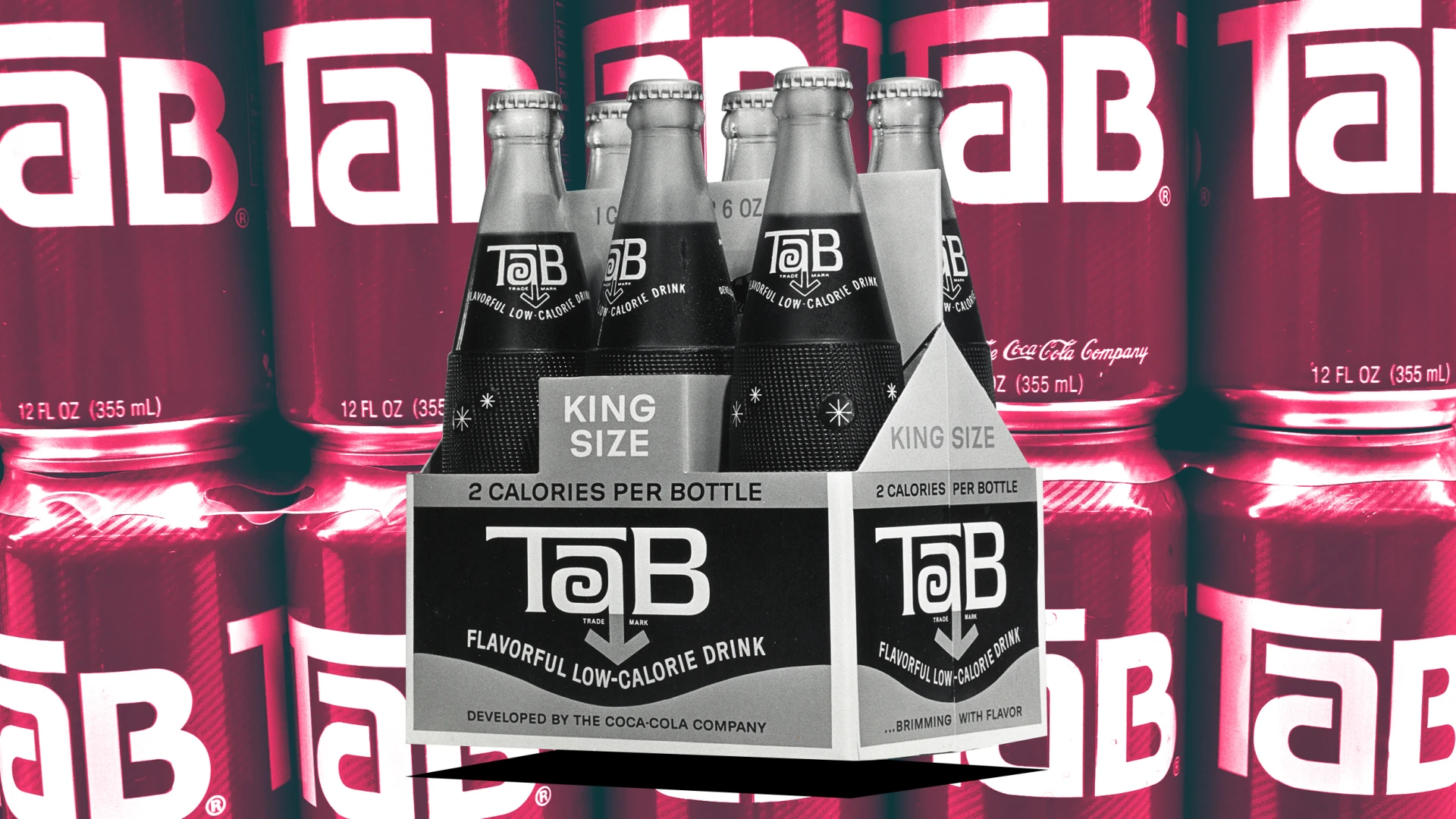
Tab soda holds a unique place in American commercial history as The Coca-Cola Company’s first entry into the diet beverage market. Introduced in 1963, Tab revolutionized low-calorie soft drinks, reshaped mid-century marketing, sparked...
Tab soda holds a unique place in American commercial history as The Coca-Cola Company’s first entry into the diet beverage market. Introduced in 1963, Tab revolutionized low-calorie soft drinks, reshaped mid-century marketing, sparked national debates over artificial sweetener regulation, and established a fiercely loyal cult following that outlived its 2020 discontinuation.
Contents
The Dawn of Diet Beverages: How Tab Created a New Category
Before Tab’s release in May 1963, the soft drink industry was dominated almost entirely by full-sugar colas, root beers, and fruit-flavored sodas. Low-calorie carbonated drinks were regarded as niche specialty items, formulated primarily for diabetics or individuals under strict medical supervision. Early entries like No-Cal (introduced in 1952 by Kirsch Beverages) and Diet Rite (launched in 1958 by Royal Crown Cola) demonstrated that consumers were interested in weight-conscious soft drinks. However, major beverage producers had not yet committed significant capital to the space.
Recognizing the shift in American consumer habits, The Coca-Cola Company initiated a secret development program codenamed "Project Alpha" under CEO J. Paul Austin. The goal was to engineer a sugar-free cola that retained the effervescence and refreshment of standard Coca-Cola while maintaining a distinct identity.
- Project Alpha: 1962
- Formula Development: Cliff Shiver
- Computer-Generated Name: TaB
- National Launch: 1963
To name the product, Coca-Cola used a mainframe computer to search thousands of three-letter combinations, seeking a punchy, memorable term that could be easily trademarked. The computer selected "Tab" (stylized as TaB), which marketing executives framed as a reminder for consumers to "keep tabs" on their weight and calorie consumption.
When Tab arrived on store shelves, it established diet soda as a mainstream consumer category rather than a medical product. It paved the way for low-calorie soft drinks to capture a multi-billion-dollar share of the global non-alcoholic beverage market.
Marketing, Gender, and the Cultural Shaping of Body Image
Tab’s ascent mirrored major cultural shifts in post-war America, particularly regarding body image, physical fitness, and gender-targeted advertising. During the 1960s and 1970s, mass media increasingly emphasized slim physiques, and Tab aligned its marketing directly with these changing social norms.
Initial advertising campaigns relied heavily on slogans such as "Mind a 1-calorie trim with Tab?" and "How can just one calorie taste so good?" Print advertisements and television commercials featured fashionable models, tape measures, and sleek glassware, explicitly framing the soda as a tool for personal discipline and aesthetic maintenance.
Key Cultural Impacts of Tab's Marketing Strategy:
- Targeting Female Consumers: Unlike traditional colas advertised to families or teenagers, early Tab marketing directly addressed adult women, positioning the drink as a fashion-conscious lifestyle choice.
- Normalizing Calorie Counting: Tab helped embed daily calorie tracking into popular culture decades before digital fitness applications and modern nutrition labels existed.
- Establishing the Pink Can Identity: In 1978, Coca-Cola updated Tab's packaging to its iconic bright pink can. This design choice solidified its place in pop culture, making it visually distinct from any other beverage on the market.
While later media critics noted that mid-century diet soda advertising reinforced rigid beauty standards, Tab's promotional strategy proved historically significant. It demonstrated how consumer products could leverage demographic trends to build an enduring brand identity.
Sweetener Scandals and FDA Regulatory Battles
The story of Tab is closely tied to the history of food safety law and artificial sweetener regulation in the United States. The drink’s formulation served as a battleground for public health policy, research debates, and federal legislation across four decades.
1. The Cyclamate Ban (1969)
Originally, Tab was sweetened using a combination of sodium cyclamate and saccharin. Cyclamates provided a clean sweet profile without a bitter aftertaste. However, in 1969, the U.S. Food and Drug Administration (FDA) banned cyclamates after laboratory studies linked high doses of the compound to bladder tumors in rodents. Coca-Cola was forced to reformulate Tab almost overnight, switching to a saccharin-only sweetener profile.
2. The Saccharin Warning Label Era (1977–2000)
The switch to saccharin altered Tab's taste profile, introducing a distinct metallic aftertaste that became one of the drink's defining characteristics. In 1977, the FDA proposed banning saccharin as well, following additional animal studies.
Public opposition and intense industry lobbying led Congress to pass the Saccharin Study and Labeling Act of 1977. Instead of a total ban, the law required all saccharin-containing products to carry a prominent warning label:
"Use of this product may be hazardous to your health. This product contains saccharin which has been determined to cause cancer in laboratory animals."
For over two decades, Tab cans bore this warning label. Despite the alarming message, millions of Americans continued to purchase the beverage daily.
3. Reformulation and Delisting (2000)
Subsequent scientific evaluation demonstrated that the biological mechanism causing saccharin-induced tumors in male rats did not apply to human physiology. In December 2000, Congress passed legislation removing the warning label requirement for saccharin, and the National Toxicology Program officially removed saccharin from its list of potential carcinogens.
By that point, Coca-Cola had updated Tab's formula again, blending saccharin with NutraSweet (aspartame) to improve its taste profile while retaining the signature flavor loyalists expected.
- 1963: Cyclamate + Saccharin Blend
- FDA Cyclamate Ban
- 1969: 100% Saccharin Formula (Metallic Aftertaste)
- Saccharin Study and Labeling Act
- 1977: Mandatory Federal Cancer Warning Labels Added
- Subsequent Scientific Review & Aspartame Blend
- 2000: Warning Label Requirement Formally Repealed
Tab vs. Diet Coke: The Internal Rivalry That Changed Coca-Cola
Despite Tab’s commercial success throughout the 1960s and 1970s, executives at The Coca-Cola Company recognized a key structural limitation: the brand did not carry the flagship "Coca-Cola" name. Fearing that putting the Coke name on a diet product might dilute the primary brand or suggest that original Coca-Cola was unhealthy, the company had kept the products strictly separate.
That strategy changed in August 1982 with the launch of Diet Coke.
Diet Coke used a completely different formula than both original Coca-Cola and Tab, utilizing aspartame to deliver a lighter taste profile without the bitter metallic notes of saccharin. Diet Coke became an immediate commercial juggernaut, becoming the top-selling diet soft drink in the United States within a few years.
| Metric / Feature | Tab Soda | Diet Coke | Coca-Cola Zero Sugar |
|---|---|---|---|
| Launch Year | 1963 | 1982 | 2005 (Reformulated 2017, 2021) |
| Primary Sweeteners | Saccharin, Aspartame (later) | Aspartame, Acesulfame Potassium | Aspartame, Acesulfame Potassium |
| Flavor Profile | Sharp, heavy spices, metallic finish | Crisp, lighter citrus-cola profile | Designed to match full-sugar Coca-Cola |
| Target Audience (Historical) | Mid-century weight-conscious women | Broad demographic, mainstream diet market | Younger consumers, male demographic focus |
| Packaging Identity | Bright pink can with white lettering | Silver, red, and black typography | Red and black branding |
| U.S. Market Status | Discontinued late 2020 | Active flagship product | Active flagship product |
Rather than immediately discontinuing Tab in 1982, Coca-Cola chose to keep it in production. Though Diet Coke quickly captured the mass market, a distinct segment of consumers refused to switch. Tab retained a dedicated user base that preferred its unique spice profile and sharp saccharin edge over newer aspartame-based alternatives.
For nearly 40 years after Diet Coke’s release, Coca-Cola continued producing Tab in limited quantities, creating a case study in managing long-tail product loyalty.
The Discontinuation and the Grassroots "Save Tab" Movement
In October 2020, as part of a global portfolio optimization plan accelerated by supply chain pressures during the COVID-19 pandemic, The Coca-Cola Company announced it would retire Tab by the end of that year. The decision was part of an initiative to eliminate roughly half of the company’s 500 brands, focusing capital on high-growth products like Diet Coke, Coca-Cola Zero Sugar, and AHA Sparkling Water.
The announcement sparked an unexpected public response. Dedicated fans across the United States formed the Save TaB Soda Committee, a grassroots advocacy group dedicated to persuading Coca-Cola to reconsider its decision or license the formula to an independent bottler.
- October 2020: Coca-Cola Announces Tab Discontinuation
- Late 2020 – Early 2021: Final Production Runs Ship to Retailers
- 2021 – Present: Save TaB Soda Committee Launches Petitions & Media Campaigns
- Present Status: Brand Remains Inactive; Recipe Retained in Coca-Cola Archives
The committee organized petition drives, purchased billboard advertisements near Coca-Cola headquarters in Atlanta, Georgia, and attended shareholder meetings to voice their support for the brand.
While Coca-Cola has maintained its decision to keep Tab out of retail distribution, the pushback highlighted the intense brand devotion Tab built over its 57-year run. The campaign remains a frequently cited example in corporate marketing studies examining consumer behavior, nostalgia, and product sunsetting.
Summary: Why Tab's Legacy Remains Relevant
Tab soda matters not merely because of its unique flavor profile, but because of its historical position at the intersection of American business, regulatory history, and culture:
- Category Pioneer: It proved that low-calorie carbonated soft drinks could achieve mass commercial viability, founding a market category that reshaped the global beverage industry.
- Regulatory Benchmark: Tab’s formula changes directly mirrored major milestones in U.S. food safety regulations, serving as a real-world case study for the FDA’s oversight of artificial sweeteners.
- Cultural Mirror: Its advertising campaigns documented evolving American perspectives on diet, exercise, gender roles, and body image throughout the late 20th century.
- Masterclass in Brand Loyalty: Tab demonstrated how a product can sustain a dedicated customer base for decades, even after losing its status as a flagship product to newer competitors.
Frequently Asked Questions
When was Tab soda officially discontinued in the United States?
The Coca-Cola Company officially announced the discontinuation of Tab in October 2020. Final production runs were completed in late 2020, and remaining inventory cleared retail shelves in early 2021.
Why did Tab soda have a distinct metallic taste?
After the FDA banned sodium cyclamate in 1969, Tab relied primarily on saccharin for sweetness. Saccharin interacts with specific human taste receptors that detect bitterness alongside sweetness, giving Tab its characteristic sharp, metallic finish.
Was Tab soda ever reformulated to remove saccharin entirely?
No. While Coca-Cola eventually added aspartame to the formula to smooth out the taste, saccharin remained a key ingredient throughout Tab's production history to preserve the distinct flavor profile expected by its core user base.
Why didn't Coca-Cola name Diet Coke "Diet Tab"?
By 1982, Coca-Cola executives recognized that the "Coca-Cola" name had far stronger global equity than "Tab." Introducing Diet Coke allowed the company to compete directly for mainstream consumers who wanted a beverage that tasted closer to traditional Coca-Cola.
Can you still buy official Tab soda anywhere today?
No. The Coca-Cola Company has completely ceased commercial production of Tab worldwide. While individual collectors trade vintage cans online, the beverage is no longer distributed through standard retail channels.
Next Steps for Beverage Historians and Enthusiasts
For those researching the commercial history of diet beverages, brand management strategies, or food policy:
- Review FDA Regulatory Filings: Examine historical Federal Register notices regarding the 1969 cyclamate ban and the 1977 Saccharin Study and Labeling Act to understand how ingredient science shapes beverage formulations.
- Study Corporate Portfolio Management: Analyze Coca-Cola’s 2020 brand rationalization strategy to see how global consumer packaged goods (CPG) companies balance legacy products against high-growth categories.
- Explore Consumer Advocacy Groups: Visit the archived materials published by the Save TaB Soda Committee to study modern grassroots campaigns aimed at preserving discontinued consumer products.
Image Gallery