How Foundation Repair in Lavon Texas Works: A Comprehensive 2026 Guide
Foundation repair in Lavon, Texas, works by stabilizing a building's perimeter and interior grade beams using deep-driven piers that bypass expansive surface clays. This process involves structural engineering assessments, hydraulic li...
Foundation repair in Lavon, Texas, works by stabilizing a building's perimeter and interior grade beams using deep-driven piers that bypass expansive surface clays. This process involves structural engineering assessments, hydraulic lifting to level the slab or floor, and soil moisture management to prevent future movement caused by the region's volatile Blackland Prairie soil.
Contents
In 2026, homeowners in Lavon and throughout Collin County continue to face unique geological challenges. The city sits atop some of the most expansive clay soils in the United States. Understanding the mechanics of foundation failure and the specific steps of professional repair is essential for protecting property value and structural integrity.
The Science of Lavon Soil: Why Foundations Fail
To understand how repair works, one must first understand the "enemy": Houston Black clay. Lavon is situated within the Texas Blackland Prairie, a region characterized by high-plasticity smectite clays. These soils act like a sponge; they expand significantly when saturated with water and shrink drastically during the hot, dry Texas summers.
This "shrink-swell" cycle creates vertical and horizontal movement. When the soil under one part of a house dries faster than another—often due to sun exposure or large trees—the foundation loses support and "settles." Conversely, excessive moisture from poor drainage can cause "heave," where the soil pushes the slab upward. Professional foundation repair in Lavon is designed to bypass this active soil zone entirely, anchoring the structure to stable, load-bearing strata or "refusal" points deep underground.
The Step-by-Step Process of Foundation Repair
While every property in Lavon has unique requirements, the standard protocol for residential foundation repair follows a rigorous technical sequence.
1. Structural Evaluation and Engineering
The process begins with a comprehensive inspection. In 2026, most reputable contractors in Lavon require or provide a Professional Engineer (PE) report. An engineer uses high-precision altimeters to map the floor's elevation. If the variance across the slab exceeds industry standards (often defined by the Texas Section of the American Society of Civil Engineers), a repair plan is drafted. This plan specifies the exact location of every pier required to stabilize the structure.
2. Site Preparation and Excavation
Once permits are secured from the City of Lavon Building Department, the crew prepares the perimeter. This involves moving landscaping and digging "access holes"—typically 2x2 feet wide and 4 feet deep—at each designated pier location. If interior piers are necessary, the crew may need to cut through the flooring and slab, though modern "low-profile" methods are often preferred to minimize indoor disruption.
3. Pier Installation (The Driving Phase)
This is the core of the repair. Using the weight of the house as a counter-force, hydraulic rams drive pier segments into the ground.
- Pressed Concrete Pilings: Individual concrete cylinders are driven one on top of the other until they hit a layer of soil so dense they can no longer move (the point of refusal).
- Steel Piers: Interlocking steel pipes are driven deep—often 20 to 40 feet—until they reach bedrock or a comparable load-bearing layer.
4. The Lifting and Leveling Sequence
Once all piers are installed, hydraulic jacks are placed on the pier caps. Under the supervision of a foreman, the jacks are operated simultaneously or in a specific sequence to slowly lift the settled portions of the home. The goal is not always to achieve a "perfectly level" house—which could cause more damage to aged framing—but to reach "functional recovery," where doors swing correctly and structural stresses are relieved.
5. Pier Securing and Backfilling
After the lift, the piers are permanently shimmed with steel plates to maintain the new elevation. The hydraulic jacks are removed, and the weight of the home is transferred onto the new pier system. The excavated holes are then backfilled with the original soil, and any displaced concrete (such as sidewalks) is patched.
Comparison of Common Repair Methods in Lavon
Choosing the right method depends on your budget, the severity of the shift, and the specific depth to bedrock in your area of Lavon.
| Method | Material | Average Depth | Best For | Durability |
|---|---|---|---|---|
| Pressed Concrete Pilings | Pre-cast Concrete | 12–18 Feet | Standard residential slabs | High (Standard) |
| Steel Piers | Galvanized Steel | 20–40+ Feet | Deep clay or heavy loads | Maximum |
| Helical Piers | Steel Screws | Variable | Light structures / Porches | High |
| Polyurethane Injection | High-density Foam | Surface-level | Minor settling / Void filling | Moderate |
Local Regulations and Permits in Lavon, TX
The City of Lavon requires building permits for all foundation repairs to ensure the safety of the occupants and the quality of the work. As of 2026, the permit process typically requires:
- A detailed site plan showing pier locations.
- A structural engineer’s sealed design.
- A post-repair "passed" plumbing test (hydrostatic test) to ensure the lift didn't break any sewer lines under the slab.
Failing to obtain these permits can lead to significant issues during the resale of the home, as title companies and buyers' inspectors will look for documented proof of structural repairs.
Cost Considerations for 2026
In the current 2026 market, foundation repair costs in Lavon are influenced by material prices (steel and concrete) and labor demand in the Dallas-Fort Worth metroplex.
- Per-Pier Cost: Most homeowners can expect to pay between $350 and $650 per pier for concrete pilings, while steel piers can range from $800 to $1,200 per pier.
- Total Project Scope: A typical partial repair (one side of a house) often costs between $4,500 and $8,000. A full-perimeter stabilization for a large home can exceed $15,000 to $20,000.
- Hidden Costs: Always budget for a hydrostatic plumbing test (approx. $400–$600) and potential landscape restoration.
Post-Repair Maintenance: The Soaker Hose System
Foundation repair is often only half the battle. Because Lavon's soil is so reactive, maintaining moisture consistency is vital to prevent the "non-piered" sections of the home from moving.
Experts recommend installing a soaker hose system or a dedicated foundation drip line. These should be placed 12 to 18 inches from the foundation. In the 2026 Texas climate, the goal is to keep the soil "moist but not muddy." This prevents the clay from pulling away from the concrete during the August heat, which is the primary catalyst for settlement.
Common Signs Your Lavon Home Needs Repair
Homeowners should perform a seasonal walkthrough to look for these "red flag" indicators:
- Stair-step cracks in the exterior brick mortar.
- Doors that stick or rub at the top of the frame.
- Gaps between the window frames and the brick.
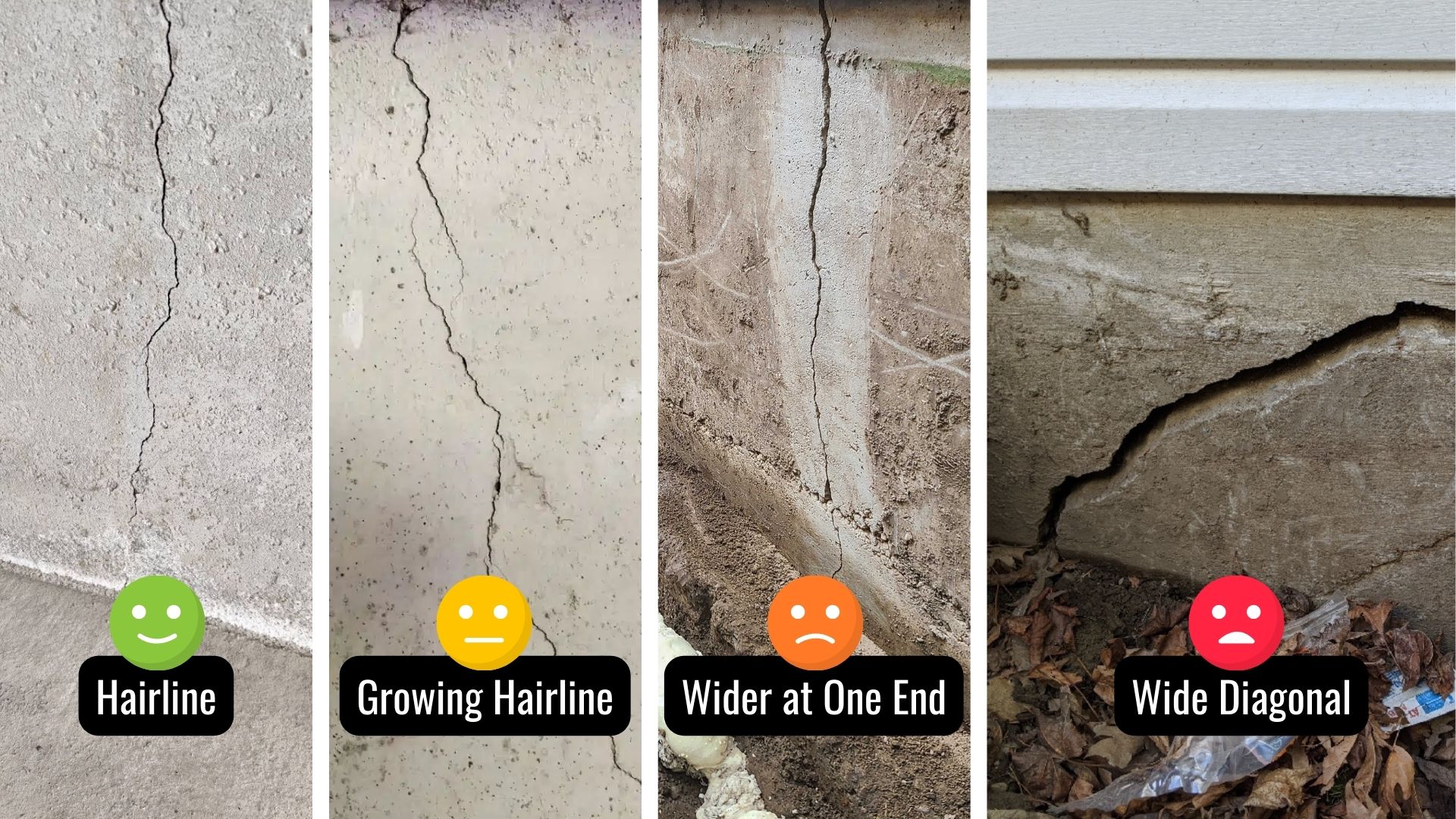
- Horizontal shearing or cracks in the interior drywall, particularly above door frames.
- Separation of the frieze board (the trim where the siding meets the roofline).
FAQs
How long does foundation repair usually take in Lavon?
Most residential projects in Lavon are completed within 2 to 4 days. Excavation and pier driving usually take the first two days, with the lifting and clean-up occurring on the final day. Complex jobs requiring interior piers or extensive tree root barriers may take longer.
Does homeowners insurance cover foundation repair?
Typically, no. Most standard Texas homeowners insurance policies exclude "settlement" or "earth movement." Coverage is usually only triggered if the foundation damage was caused by a covered peril, such as a major plumbing leak (slab leak) or fire. It is important to review your specific policy riders for "Sewer and Drain Backup" or "Foundation/Slab Bolt-on" coverage.
Will the cracks in my walls close up after the lift?
While many cracks will close or significantly narrow during the lifting process, they rarely disappear entirely. Professional repair focuses on stabilizing the structure. Once the foundation is secured, you should wait 4 to 8 weeks for the house to "settle" into its new position before patching drywall or repointing exterior brick.
Is a lifetime warranty actually useful?
In the foundation industry, a "Lifetime Transferable Warranty" is standard. However, the warranty is only as good as the company providing it. When choosing a contractor in Lavon, ensure they have been in business for at least a decade and have a strong local reputation. The warranty usually covers the "adjustment" of the piers if they ever fail to hold their position.
Do I need to move out during the repair?
No, you do not need to move out. The majority of the work is performed on the exterior of the home. Even if interior piers are required, the dust-containment systems used by modern 2026 contractors allow residents to remain in the home, though it will be noisy during the "driving" phase of the project.
Recommendation for Next Actions
If you suspect your foundation is moving, do not wait for the cracks to widen. The longer the soil remains unstable, the more "stress" is placed on the home's plumbing and framing. Your first step should be to hire an independent structural engineer who does not sell repair services. This ensures you receive an unbiased assessment of whether repairs are truly necessary. If repairs are recommended, obtain at least three quotes from contractors who are familiar with the specific clay compositions of the Lavon/Lake Lavon area and ensure they handle all municipal permitting on your behalf.
Image Gallery