The Panda Dog Trend: The Science, Ethics, and Risks Behind Dyed Canines
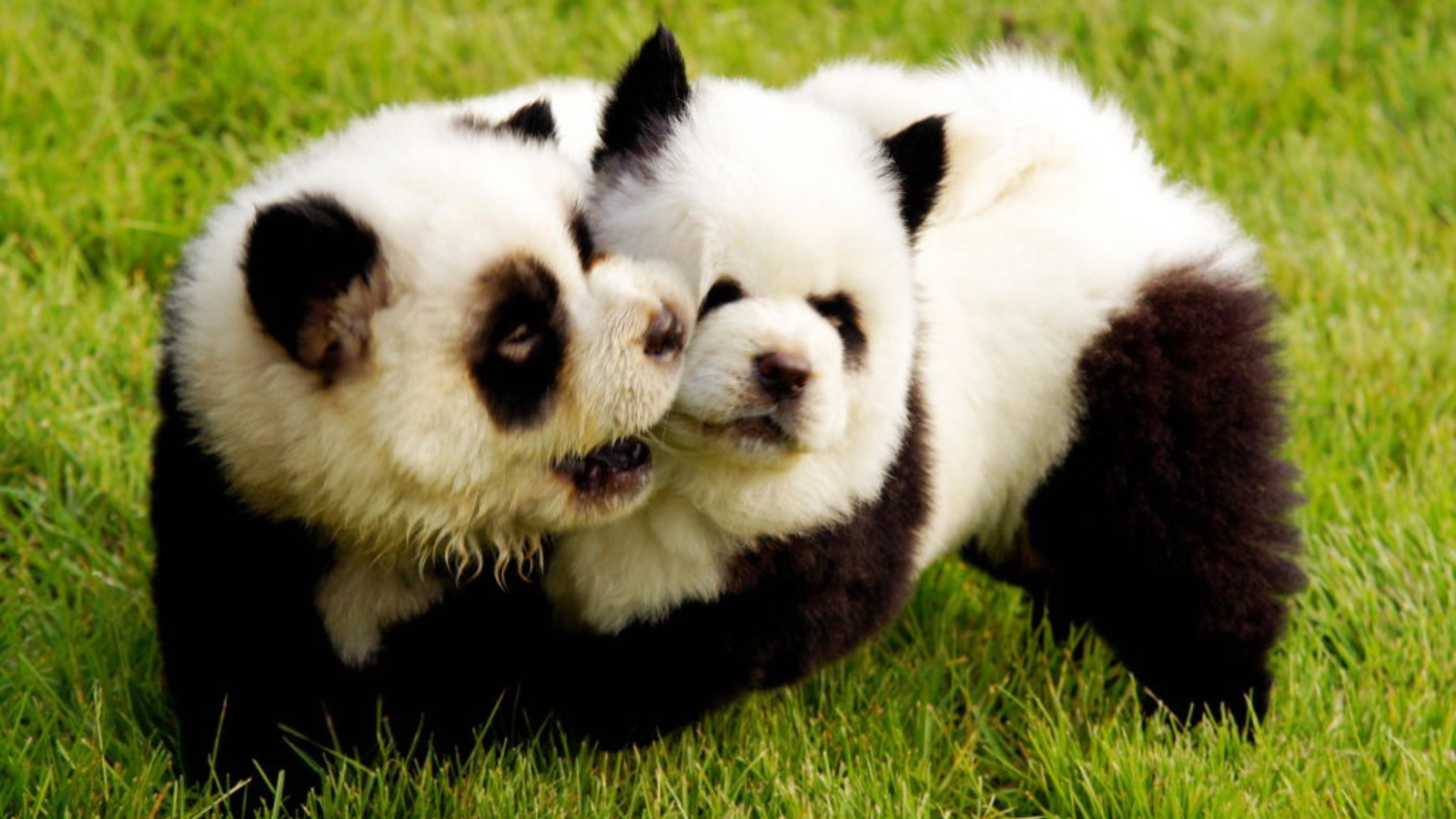
A "panda dog" is not a distinct canine breed, but rather a dog—most often a Chow Chow or Poodle—whose coat is scissored, bleached, and dyed black and white to cosmetically resemble a giant panda bear. Popularized through viral social m...
A "panda dog" is not a distinct canine breed, but rather a dog—most often a Chow Chow or Poodle—whose coat is scissored, bleached, and dyed black and white to cosmetically resemble a giant panda bear. Popularized through viral social media videos and specialty pet cafes, this controversial practice raises significant veterinary and ethical concerns surrounding chemical toxicity, grooming stress, skin damage, and commercial animal exploitation.
Contents
What Is a "Panda Dog" and Where Did the Trend Originate?
The visual phenomenon of the panda dog gained international prominence through viral videos and pet business promotions. However, the underlying practice stems from creative grooming, a specialized discipline within the pet care industry where groomers use color and styling to transform animal coats into artistic patterns.
The specific trend of transforming dogs into panda lookalikes gained major traction in Chengdu, China—the native region of giant pandas. Pet cafes and boutique grooming salons began offering panda transformations on Chow Chows, a heavy-coated, round-faced breed native to northern China. The physical characteristics of the Chow Chow, including its dense double coat, broad muzzle, and thick ruff, provide a natural canvas that easily mimics the rounded body shape of a panda bear when trimmed appropriately.
Panda Dog Transformation:
- Base Breed: Chow Chow / Poodle / Pomeranian
- Bleaching / Lightening (if natural fur is dark)
- Black Dye Applied to Eyes, Ears, Legs, and Shoulder Band
- Precision Scissoring to Create Rounded Silhouette
Beyond Chow Chows, groomers also use Toy Poodles, Standard Poodles, and Pomeranians for panda styling. Poodles are frequently chosen because their non-shedding, curly hair holds geometric shapes well, allowing groomers to sculpt distinct eye patches, ears, and leg bands with high precision. While proponents view these aesthetic modifications as harmless fun, animal behaviorists and veterinary dermatologists caution that the process subjects animals to unnecessary physical and psychological discomfort.
The Transformation Process: How Dogs Are Altered to Ressemble Pandas
Creating a convincing panda pattern requires extensive grooming work that far exceeds a standard maintenance trim. The process relies on a combination of precision hair trimming, chemical color application, and occasionally coat bleaching.
- Eye Patches: Topical Black Dye
- Ear Tips: Topical Black Dye
- Body & Face Base: Natural White / Bleached Fur
- Shoulder Band: Topical Black Dye
- Front & Back Legs: Topical Black Dye
- Precision Coat Sculpting: The groomer uses hand shears to round the face, muzzle, and ears, removing the sharp natural angles of the canine head to mimic the broad, disklike head structure of Ailuropoda melanoleuca (the giant panda).
- Color Layering and Sectioning: The groomer isolates specific anatomical zones—around the eyes, over the ears, across the shoulders, and down all four limbs—to apply dark dye while keeping the core body coat stark white.
- Chemical Bleaching (When Required): If the host dog has a cream, red, or cinnamon coat (common in Chow Chows), groomers must first lift the natural pigment using lightening agents before applying the black dye to create high contrast.
- Fixation and Washing: The dye must sit on the coat for 15 to 45 minutes per application step to set properly, followed by exhaustive rinsing and blow-drying.
The entire procedure typically takes anywhere from two to four hours. Maintenance requires re-dyeing and scissoring every six to eight weeks as the coat grows out and the color fades or washes away.
Veterinary Health Risks and Chemical Safety
Veterinary professional organizations consistently warn pet owners about the physical health hazards associated with cosmetic coat dyeing. While cosmetic products designed for humans are strictly prohibited on animals due to pH differences, even dyes marketed as "pet-safe" carry intrinsic risks.
| Health Hazard | Biological Mechanism & Clinical Impact |
|---|---|
| Dermal Toxicity | High pH of human dyes disrupts canine acid mantle, leading to severe contact dermatitis and burns. |
| Oral Ingestion | Grooming behavior causes ingestion of dye residue, risking gastrointestinal upset and systemic toxicity. |
| Thermal Stress | Prolonged blow-drying and heavy dyes impair natural thermoregulation via panting and skin exposure. |
| Scent Masking | Chemical masking of natural pheromones disrupts intraspecies olfactory communication with other dogs. |
Skin Irritation and Contact Dermatitis
Canine skin is significantly thinner and more sensitive than human skin. Human epidermis consists of 10 to 15 cell layers, whereas canine epidermis is only 3 to 5 layers thick. Furthermore, dog skin has a neutral-to-alkaline pH (around 6.2 to 7.4), compared to human skin, which is naturally acidic (around 5.5). Using human hair dye or unverified chemical agents on dogs destroys the protective acid mantle, frequently resulting in severe chemical burns, contact dermatitis, and secondary bacterial skin infections.
Ingestion Hazards Through Self-Grooming
Dogs instinctively clean themselves by licking their coats. Even when semi-permanent vegetable-based dyes are used, chemical residues remain on the hair shaft. During normal self-grooming, canines ingest these compounds, which can lead to acute gastrointestinal distress, vomiting, diarrhea, and potential systemic toxicity.
Respiratory and Ocular Exposure
Applying dark dye directly around a dog's eye sockets to replicate the distinctive black panda eye patches presents extreme risks of corneal ulceration, conjunctivitis, and chemical burn to sensitive mucous membranes. Additionally, strong chemical fumes from dyes and fixatives can irritate the canine respiratory tract, which is far more sensitive to volatile organic compounds (VOCs) than human lungs.
Ethical Controversies: Animal Welfare vs. Human Entertainment
The panda dog trend sits at the intersection of aesthetic pet modification and animal welfare policy. The ethical debate centers on consent, animal objectification, and the psychological impact of aggressive grooming regimens on canines.
Ethical Considerations:
- Physical & Psychological Focus
- Prolonged physical restraint
- Disruption of natural scent
- Stress from high-heat blowers
- Social & Market Focus
- Objectification as photo props
- Impulse purchasing of high-need breeds
- Relinquishment when trend fades
Objectification and Welfare Concerns
Leading welfare organizations, including the Royal Society for the Prevention of Cruelty to Animals (RSPCA) and People for the Ethical Treatment of Animals (PETA), maintain that animals should not be treated as fashion accessories or photo props. Cosmetic dyeing serves no medical, physical, or hygienic benefit for the canine; it is executed solely for human visual amusement and social media engagement.
Stress and Restraint
Achieving clean visual lines around sensitive anatomical areas like the eyes, lips, and ears requires prolonged physical restraint. For high-arousal or anxious breeds, remaining stationary on a grooming table for hours under loud, high-heat blowers can elevate cortisol levels, triggering acute physiological stress, panting, and long-term grooming aversion.
Disruption of Interspecies and Intraspecies Communication
Dogs communicate primarily through body language, facial expressions, scent, and visual markings. Dyeing dark circles around a dog's eyes obscures natural facial expressions and eye contact signals, which are vital for communication between dogs. Furthermore, masking a dog's natural scent with chemical dyes can provoke fearful or aggressive reactions from other dogs encountered in public spaces.
Legal Status and Animal Protection Regulations
The legal landscape surrounding cosmetic pet dyeing varies substantially across international and municipal jurisdictions.
| Jurisdiction | Statutory Stance & Regulatory Framework |
|---|---|
| United States (Florida) | Fla. Stat. § 828.161 makes dyeing or coloring chicks, rabbits, or other animals a misdemeanor offense. |
| United States (S.C.) | S.C. Code Ann. § 47-1-120 prohibits coloring or dyeing animals under eight weeks or for commercial sale. |
| United Kingdom | Animal Welfare Act 2006 requires owners to protect pets from harm and unnecessary distress. |
| China (Municipal Laws) | Varied local business regulations; pet cafes face scrutiny over commercial display license standards. |
State-Level Bans in the United States
Several US states have explicit anti-dyeing statutes aimed at preventing animal cruelty and cosmetic exploitation:
- Florida: Under Florida Statutes § 828.161, it is illegal to dye, stain, or color any animal or fowl, or to possess dyed animals for commercial display or sale.
- South Carolina: S.C. Code Ann. § 47-1-120 restricts the dyeing of animals and prohibits the sale of artificially colored specimens.
- Local Municipalities: Cities such as Boulder, Colorado, enforcing broader animal guardian legislation, penalize unnecessary cosmetic procedures that alter animal coats with non-veterinary substances.
International Legal Protections
In the United Kingdom, the Animal Welfare Act 2006 places a legal duty of care on pet owners to ensure their animals' welfare needs are met. Section 9 of the Act mandates that pets must be kept in a suitable environment and protected from pain, suffering, injury, and disease. Applying chemical dyes that cause skin inflammation or psychological distress during application can be prosecuted under animal cruelty provisions.
Comparing Panda Dogs: Groomed Modifications vs. Natural Phenotypes
Many consumers confuse dyed panda dogs with distinct, naturally patterned dog breeds. The following table contrasts cosmetically altered dogs with natural breeds that naturally possess black-and-white or piebald coat patterns without human chemical intervention.
| Feature / Trait | Cosmetically Dyed Chow Chow | Standard Poodle (Creative Grooming) | French Bulldog (Pied Phenotype) | Landseer (Newfoundland type) |
|---|---|---|---|---|
| Origin of Pattern | Synthetic dye & scissoring | Organic vegetable dye & clip | Natural genetics (S-Locus gene) | Natural genetics (Piebald spotting) |
| Maintenance Need | Re-dye every 4–8 weeks | Re-apply every 4–6 weeks | Natural coat upkeep only | Regular brushing; no dyeing |
| Health Risks | Dermatitis, ingestion toxicity | Skin irritation, stress | Standard breed predispositions | Standard giant-breed care |
| Legal Restrictions | Banned in select states/cities | Restricted in select jurisdictions | Fully legal worldwide | Fully legal worldwide |
| Natural Temperament | Aloof, protective, dense coat | Intelligent, active, trainable | Adaptable, affectionate companion | Gentle, water-loving, calm giant |
| Underlying Breed Needs | High grooming, experienced owner | High mental stimulation | Brachycephalic climate care | Extensive coat care, large space |
Safe, Ethical Alternatives for Aesthetic Grooming
Pet owners who enjoy unique aesthetic styles can express creativity without exposing their dogs to hazardous chemical treatments or stressful physical restraints.
Recommended Safe Grooming Practices:
- Non-Toxic Chalks: Pet-safe non-toxic chalks that wash out in a single shower.
- Natural Accentuation: Professional clip highlighting natural coat contours.
- Thematic Accessories: Custom bandanas, harnesses, and coats without coat alteration.
1. Temporary Pet Chalks and Washable Powders
For owners seeking temporary color accents, veterinarians recommend using non-toxic, pet-formulated chalk powders specifically labeled as zero-VOC, food-grade, and washable. These products sit topically on the outer guard hair rather than penetrating the hair follicle or skin, and they rinse out completely during a single bath.
2. Natural Contour Grooming
Professional groomers can use precision scissoring techniques to highlight a dog's natural coat density and structural contours without applying any color dyes. For curly or double-coated breeds, proper hygiene clips, hand-stripping, and breed-standard trims showcase natural coat beauty safely.
3. Wearable Accessories and Costumes
The safest way to achieve a "panda look" is through comfortable, non-restrictive wearable apparel. Well-fitted bandanas, custom coats, or lightweight harnesses designed with panda motifs allow owners to celebrate a visual theme without subjecting the dog to chemicals, bathing stress, or skin irritation. Ensure any apparel does not restrict breathing, vision, movement, or thermoregulation.
Frequently Asked Questions
Are panda dogs a real, recognized dog breed?
No. There is no official canine breed known as a "panda dog." The term refers entirely to existing breeds—most commonly Chow Chows, Poodles, or Pomeranians—whose hair has been professionally cut, bleached, and dyed to imitate the color distribution of a giant panda.
Is pet hair dye completely safe if labeled "non-toxic"?
Not necessarily. While products labeled "pet-safe" or "non-toxic" are generally less dangerous than human hair dye, any foreign substance applied to a dog's coat can cause contact allergies, skin irritation, or respiratory discomfort. Furthermore, dogs can still suffer gastrointestinal upset if they ingest non-toxic dye while licking their fur.
How long does the panda color stay on the dog's coat?
Semi-permanent pet dyes typically last between one and three months, depending on coat type, bath frequency, and sun exposure. Permanent synthetic dyes last until the hair naturally sheds or is trimmed off by a groomer.
Why are Chow Chows most commonly used for panda transformations?
Chow Chows possess a dense, double coat with a thick woolly undercoat and straight guard hairs, along with a broad facial structure and rounded ear tips. This anatomical hair structure allows groomers to shear the fur into smooth, dense shapes that mimic the plush appearance of a real panda bear.
Can I use human hair dye on my dog at home?
No. You should never apply human hair dye to an animal. Human hair dye contains chemicals like hydrogen peroxide and ammonia tailored to human skin pH. On canine skin, these chemicals cause acute pain, severe chemical burns, tissue necrosis, and systemic poisoning through topical absorption or ingestion.
Next Steps for Dog Owners
If you are considering unique grooming styles or purchasing a dog based on a viral aesthetic trend, prioritize the physical health and behavioral welfare of the animal first:
- Consult a Licensed Veterinarian: Before applying any topical color, chalk, or cosmetic product to your dog's coat, consult your veterinarian to evaluate your pet's skin sensitivity, allergies, and underlying dermatological health.
- Research Breed Demands: Avoid buying Chow Chows or Poodles solely for aesthetic trends. Chow Chows are powerful, independent dogs that require intensive social training, consistent handling, and daily coat management.
- Verify Grooming Credentials: If utilizing creative grooming services, verify that the salon uses strictly non-toxic, pet-formulated products, avoids human hair dyes entirely, and permits rest breaks during grooming sessions.
- Choose Safety Over Aesthetics: Opt for temporary, non-invasive methods like themed bandanas, panda-patterned harnesses, or quick-wash pet chalks for special occasions.
EDITORIAL CATEGORY METADATA:
Image Gallery