Foundation Repair in Muskegon: A Comprehensive Guide for 2026
Foundation repair in Muskegon requires addressing specific geological challenges, such as high water tables near Lake Michigan and the prevalence of sandy soil profiles. Property owners can resolve structural issues through methods lik...
Foundation repair in Muskegon requires addressing specific geological challenges, such as high water tables near Lake Michigan and the prevalence of sandy soil profiles. Property owners can resolve structural issues through methods like helical piering, wall anchoring, and advanced waterproofing. Prompt intervention prevents localized settling from evolving into a total structural failure.
Contents
The structural integrity of a home in Muskegon, Michigan, is constantly challenged by the region’s unique environmental conditions. As of 2026, homeowners continue to navigate the complexities of shifting lakeside soils and the intense freeze-thaw cycles characteristic of West Michigan. Whether you are dealing with a historic home near downtown Muskegon or a newer build in Norton Shores, understanding the mechanics of foundation failure and the engineered solutions available is critical for maintaining property value and safety.
Understanding Muskegon’s Unique Soil and Foundation Challenges
The geology of Muskegon County is a primary driver of foundation instability. Unlike many inland areas of Michigan that feature heavy clay, Muskegon is dominated by sandy soil profiles, including the Oakridge and Dune sand series. While sand generally offers good drainage, it is highly susceptible to erosion and "washouts" during heavy rain events or rapid snowmelt.
The Role of Sandy Soil and Erosion
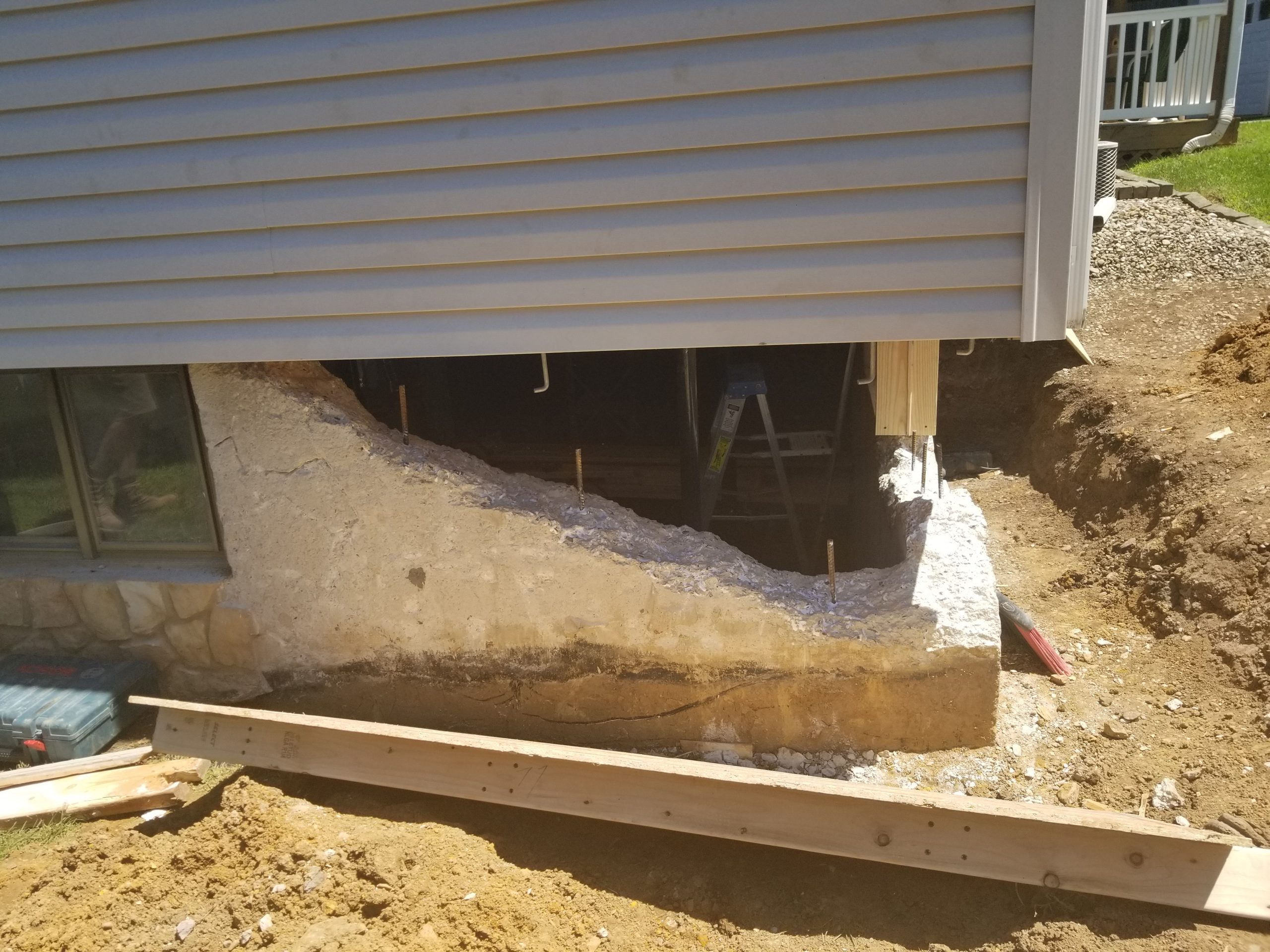
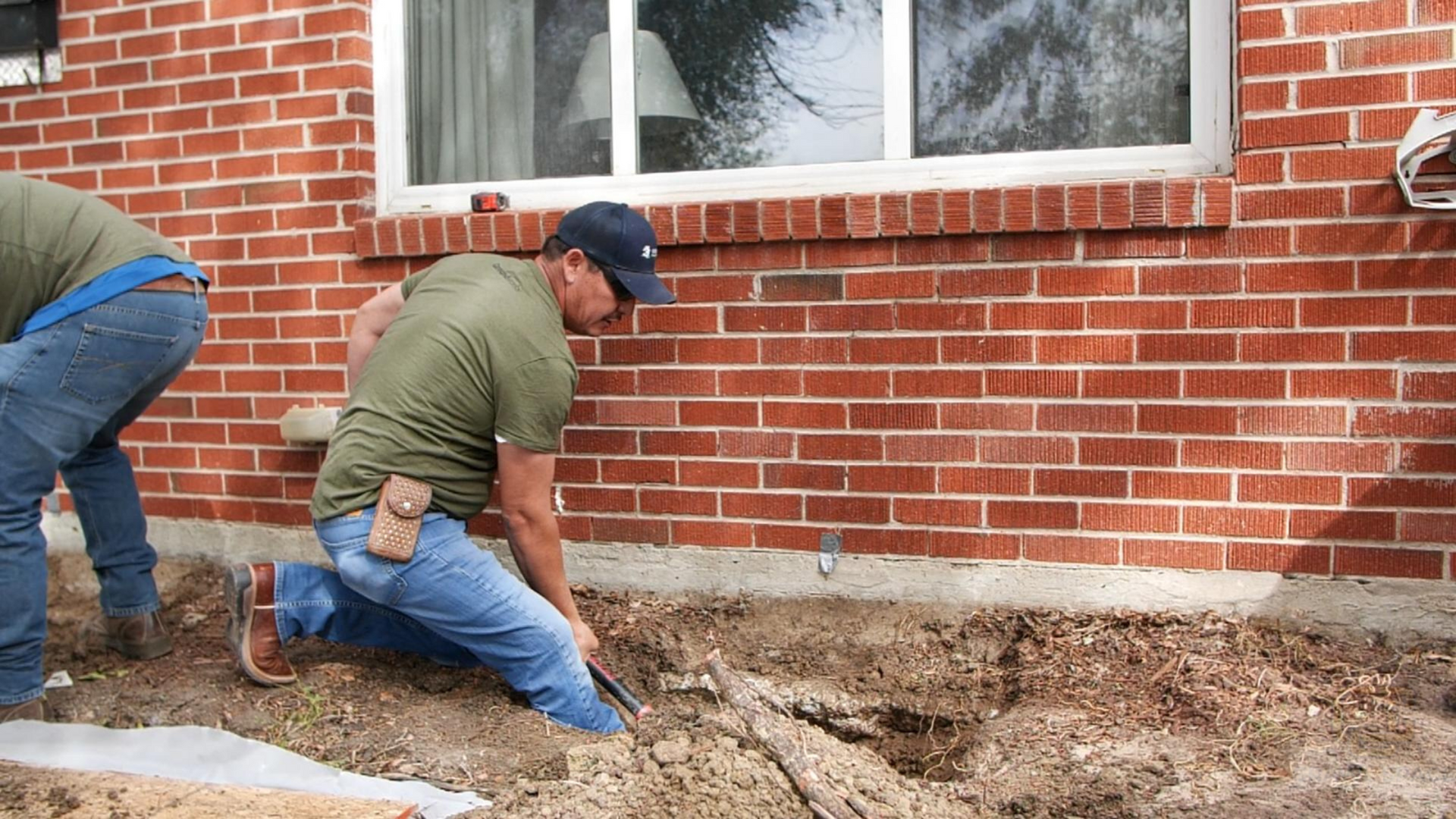
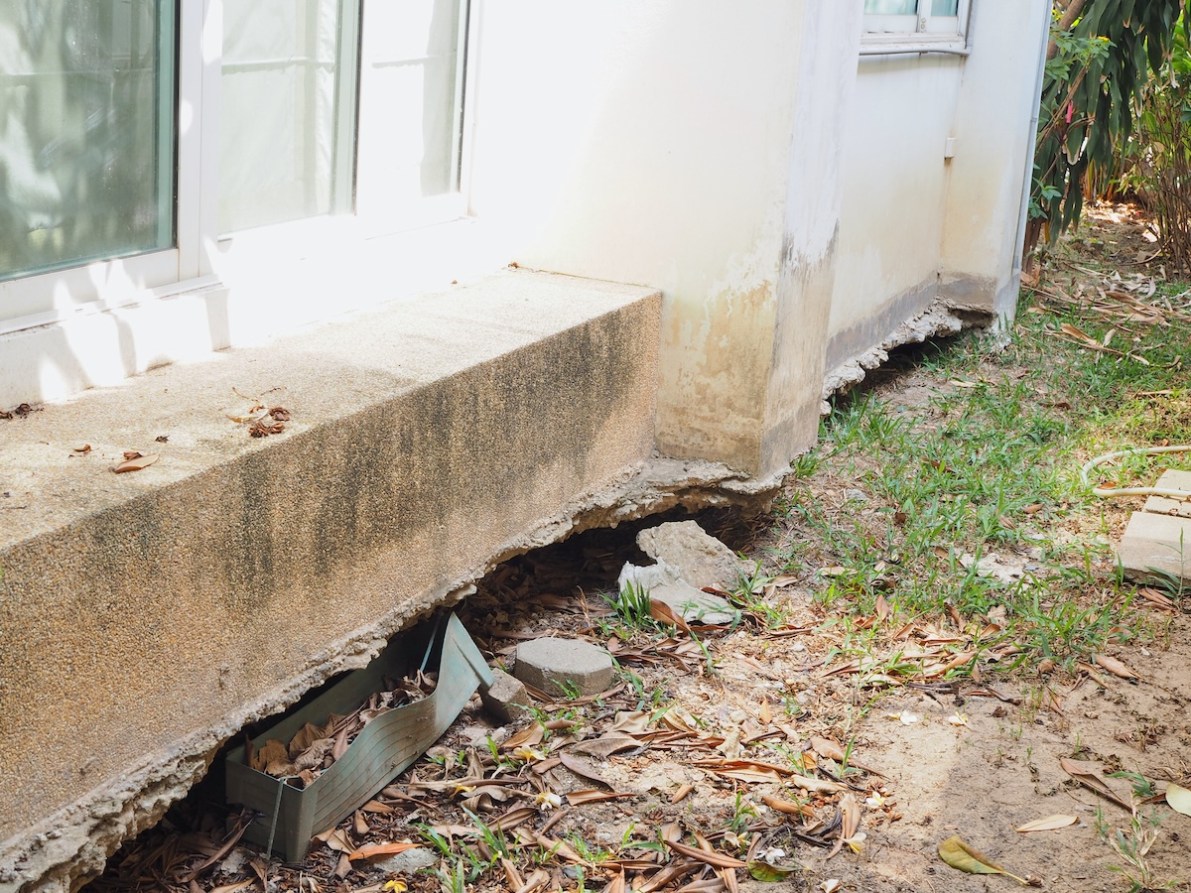
In Muskegon, sand can shift or consolidate unevenly if the moisture content changes rapidly. If a gutter system fails or a landscape is improperly graded, water can infiltrate the soil adjacent to the foundation, carrying away the fine particles that provide support. This leads to "voids" beneath the concrete footings. Once a void is created, the weight of the structure causes the foundation to drop into the empty space, resulting in differential settlement.
Hydrostatic Pressure and the High Water Table
Proximity to Lake Michigan, Muskegon Lake, and the Muskegon River means the water table is often significantly higher than in other parts of the state. In 2026, we continue to see the effects of fluctuating lake levels on residential basements. When the water table rises, it exerts hydrostatic pressure against foundation walls. This pressure can force water through microscopic cracks in the concrete and, in extreme cases, cause the walls to bow inward or buckle.
The Michigan Freeze-Thaw Cycle
The "frost line" in Muskegon is typically measured at 42 inches. During the winter, moisture in the soil freezes and expands. If the foundation footings are not deep enough or if the soil is overly saturated, "frost heave" can lift the entire structure. When the ground thaws in the spring, the house does not always settle back into its original position, leading to cracks in the drywall, sticking doors, and compromised masonry.
Identifying Common Signs of Foundation Failure in West Michigan
Recognizing the early warning signs of foundation distress can save a homeowner tens of thousands of dollars in restoration costs. In Muskegon's climate, these symptoms often manifest seasonally.
- Stair-Step Cracks: These are most commonly found in brick veneer or concrete block walls. The "stair-step" pattern follows the mortar lines and almost always indicates that one corner of the foundation is settling faster than the rest.
- Horizontal Wall Cracks: A horizontal crack running along the middle of a basement wall is a definitive sign of hydrostatic pressure. This indicates that the soil outside is pushing the wall inward.
- Doors and Windows That Stick: When a foundation shifts, the rectangular frames of doors and windows become parallelograms. If you notice a door that suddenly won't latch or a window that is difficult to slide, the house's frame is likely out of plumb.
- Leaning Chimneys: Because chimneys are heavy and often built on a separate footing, they are frequently the first part of a structure to show signs of settlement. A gap between the chimney and the siding is a major red flag.
- Uneven or Sloping Floors: If floors feel like they are "dipping" toward the center of the house or toward an exterior wall, it may indicate a failure in the support piers or the perimeter footings.
Primary Foundation Repair Methods Used in Muskegon (2026 Standards)
Modern foundation repair has moved away from "total replacement" in favor of engineered stabilization techniques that are less invasive and more permanent.
Helical Piers for Sandy Soils
Given Muskegon’s sandy soil, helical piers are often the preferred solution for settlement. These piers look like large screws and are mechanically "screwed" deep into the ground until they reach stable, load-bearing strata or bedrock.
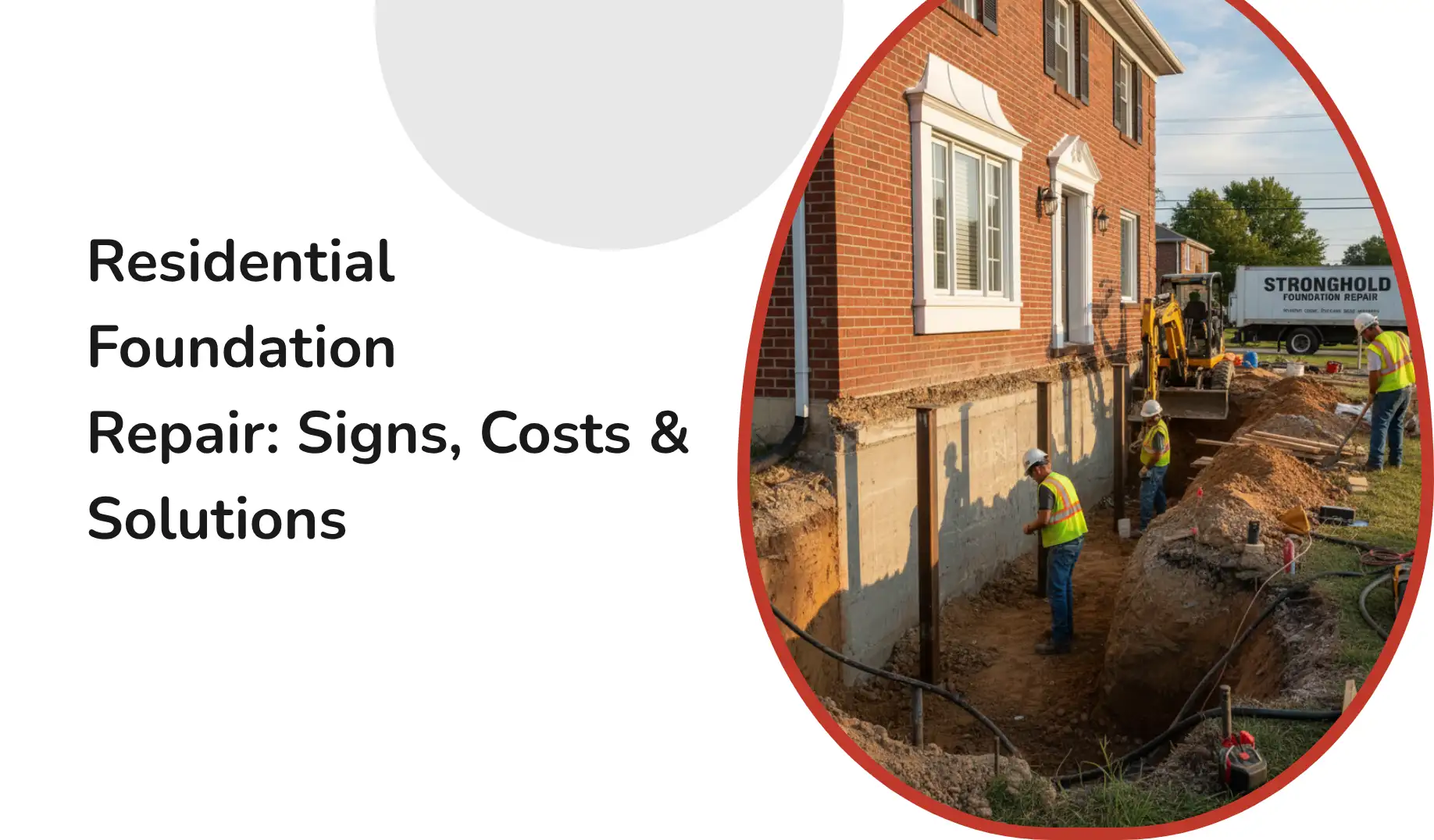
- Process: Brackets are attached to the foundation footing, and the piers are driven into the earth using hydraulic machinery.
- Benefit: They do not rely on the weight of the house to be installed (unlike push piers), making them ideal for lighter structures or areas with unstable upper soil layers.
Wall Anchors and Carbon Fiber Straps
For bowing basement walls caused by hydrostatic pressure, two main solutions are utilized in 2026:
- Wall Anchors: These involve an interior wall plate connected by a steel rod to an anchor buried in the yard. By tightening the nut on the interior plate, the wall is pulled back toward its original position over time.
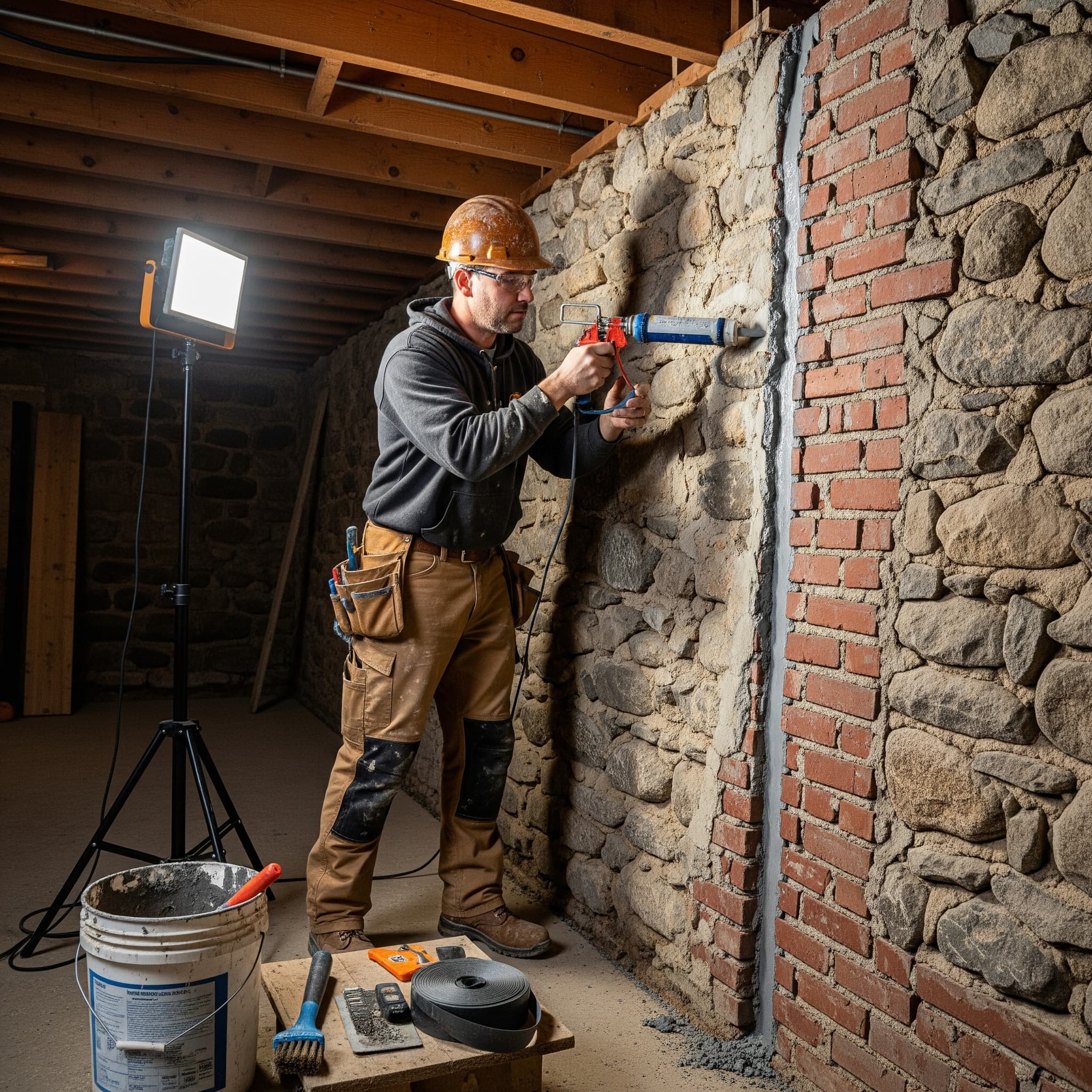
- Carbon Fiber Straps: For walls with less than two inches of bowing, carbon fiber reinforced polymer (CFRP) straps are epoxied directly to the wall. Carbon fiber is stronger than steel and prevents any further inward movement without the need for exterior excavation.
Interior and Exterior Waterproofing
In Muskegon, foundation repair is often incomplete without a robust waterproofing strategy.
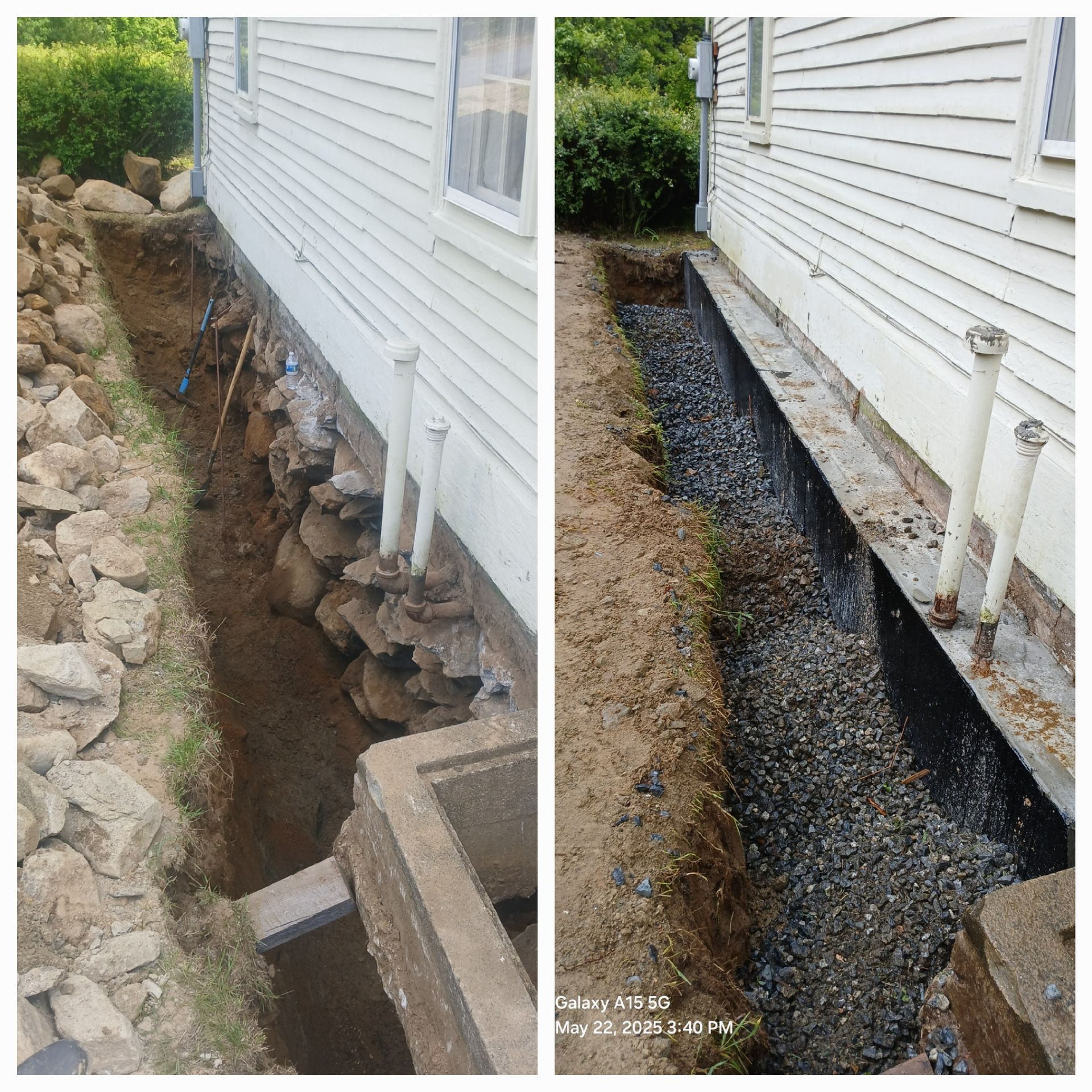
- Interior Drainage: This involves installing a perforated pipe (often called a French drain) beneath the basement floor perimeter, which directs water to a sump pump.
- Encapsulation: For homes with crawl spaces, encapsulation involves sealing the floor and walls with a heavy-duty vapor barrier to prevent moisture from the high water table from rotting the floor joists.
Comparison of Common Repair Techniques
| Method | Best Use Case | Durability | Relative Cost |
|---|---|---|---|
| Helical Piers | Foundation settlement in sandy soil | Lifetime (Transferable) | High |
| Carbon Fiber | Minor wall bowing/cracking | 25+ Years | Moderate |
| Wall Anchors | Significant wall bowing (Inward) | Lifetime | Moderate/High |
| Polyurethane Injection | Sunken concrete slabs/patios | 10–15 Years | Low |
| Encapsulation | Crawl space moisture/mold | 20+ Years | Moderate |
Estimated Costs for Foundation Repair in Muskegon (2026)
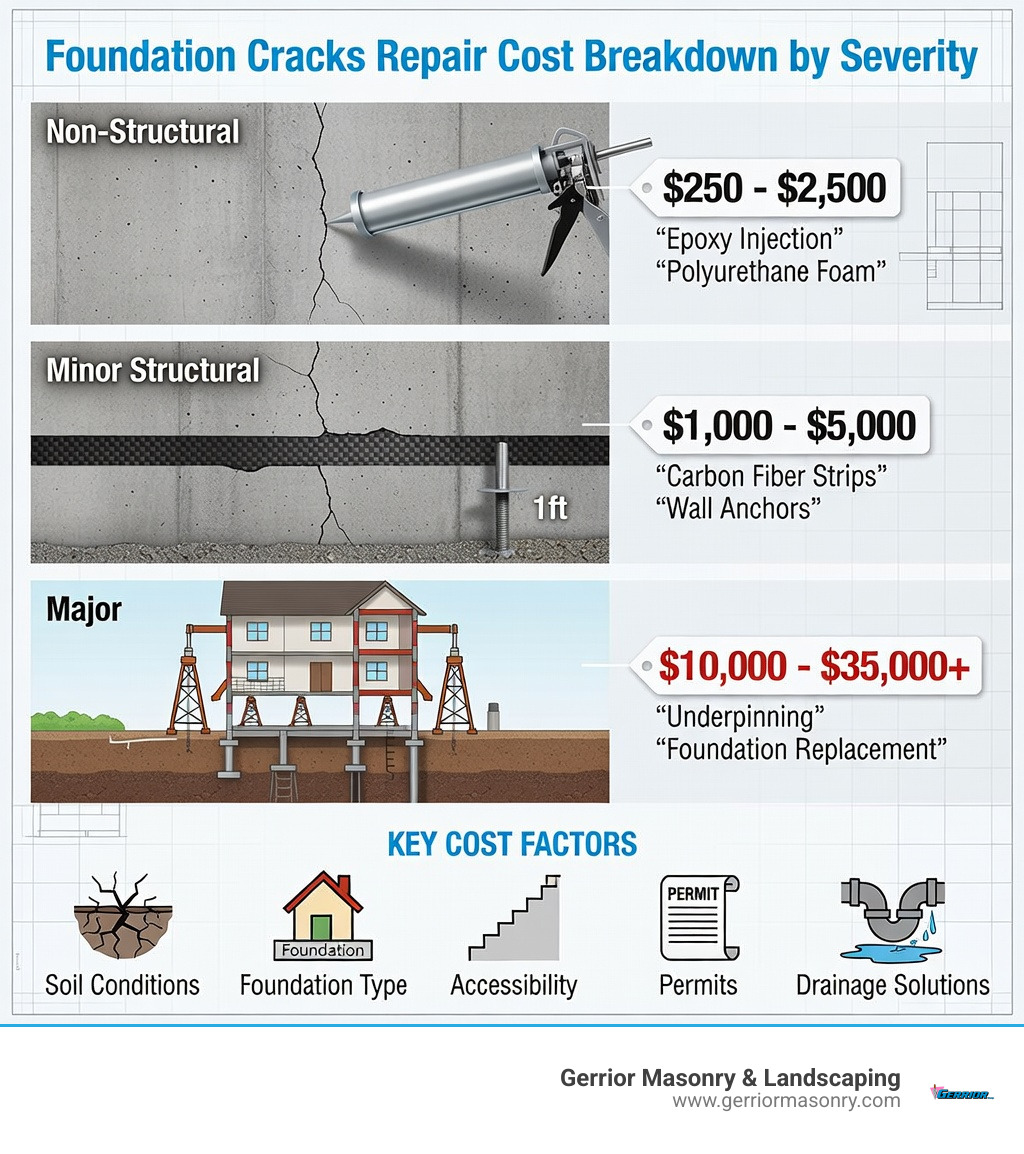
Costs for foundation repair are highly variable and depend on the linear footage of the damage and the depth to stable soil. As of 2026, the following price ranges are standard for the West Michigan market:
- Piering: Expect to pay between $1,800 and $3,500 per pier. A typical corner settlement may require 3 to 5 piers.
- Crack Injection: For non-structural leaks, high-pressure epoxy or polyurethane injections typically cost $600 to $1,200 per crack.
- Bowing Wall Stabilization: Carbon fiber straps usually cost $700 to $1,100 per strap (spaced every 4 feet), while wall anchors range from $1,000 to $1,800 per anchor.
- Full Waterproofing System: A comprehensive interior drainage system and sump pump installation for a standard Muskegon basement ranges from $6,000 to $18,000.
It is important to note that these costs do not include the "soft costs" of repair, such as building permits required by the City of Muskegon or Muskegon County, and the potential need for a structural engineer’s report, which usually costs between $500 and $1,000.
Choosing a Local Foundation Specialist
When selecting a contractor in Muskegon, it is essential to verify their familiarity with the Michigan Residential Code and local soil conditions. In 2026, reputable contractors should provide:
- Transferable Warranties: Ensure the warranty stays with the house, adding value if you decide to sell.
- Specific Licensing: In Michigan, foundation repair falls under the Residential Builder or Maintenance & Alteration Contractor license.
- Soil Analysis: A high-quality firm will often use a torque motor during pier installation to measure soil resistance, ensuring the pier has reached a truly stable layer.
Avoid contractors who suggest "DIY" fixes for structural cracks. Applying hydraulic cement to a moving crack is a temporary cosmetic fix that masks a developing safety hazard.
Frequently Asked Questions
Does homeowners insurance cover foundation repair in Muskegon?
Generally, standard homeowners insurance policies do not cover foundation repair if the cause is "earth movement" or "normal settlement." However, if the foundation damage was caused by a sudden event, such as a burst pipe or a specific type of flood (if you have flood insurance), there may be partial coverage. Always review your policy’s "earth movement" exclusions.
How long does the typical repair take?
Most residential foundation repairs in the Muskegon area can be completed in 2 to 5 days. Piering and wall stabilization are relatively fast because they use hydraulic equipment. Waterproofing or full encapsulation may take longer if extensive excavation or floor removal is required.
Can I sell my house with foundation issues?
Yes, but Michigan law requires full disclosure of known structural defects on the Seller’s Disclosure Statement. In 2026, many buyers will struggle to secure traditional financing (like FHA or VA loans) for a home with unaddressed foundation failure. Repairing the issue before listing often nets a higher return than selling "as-is" at a steep discount.
Is carbon fiber better than steel beams for wall repair?
Carbon fiber is often preferred because it is non-invasive, does not require maintenance, and can be easily painted over. Steel I-beams are effective but take up space in the basement and can be seen as an eyesore. However, if the wall has bowed more than 2-3 inches, steel beams or wall anchors may be structurally necessary.
How does the Muskegon water table affect my sump pump?
Because Muskegon sits on a high water table, many local sump pumps run more frequently than those in other parts of the country. In 2026, it is highly recommended to have a battery-backup sump pump system. During the frequent storms off Lake Michigan, power outages are common; a backup system ensures your basement remains dry even when the grid is down.
Practical Recommendation
If you observe cracks wider than 1/8th of an inch or notice that doors are sticking on the upper floors of your home, the first step is to document the damage with photos and dates. Contact a structural engineer or a specialized foundation contractor who offers a detailed inspection using laser levels to check for floor variance. In the Muskegon environment, ignoring these signs typically leads to more expensive "helical" solutions later as the structure continues to move toward the softer sandy pockets of the yard. Prioritize exterior drainage and gutter maintenance immediately to mitigate further soil erosion while you wait for a professional assessment.
Image Gallery