The Life and Legacy: When Did Inez Andrews Die and What Was Her Musical Impact?
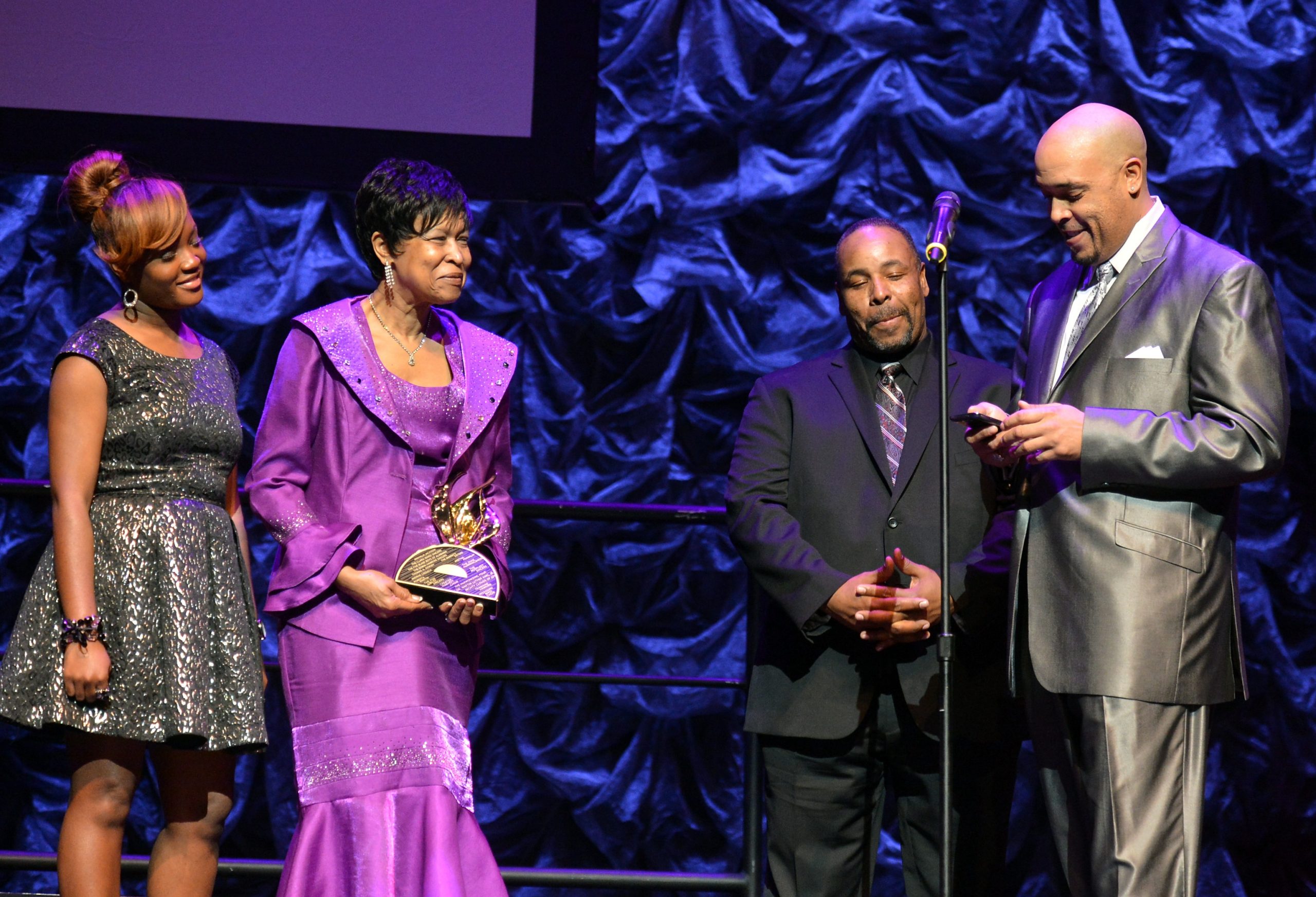
Inez Andrews, a towering figure in the world of gospel music, passed away on December 19, 2012. She died at the age of 83 in Chicago, Illinois, following a battle with cancer. As a central member of the Caravans and a celebrated solo a...
Inez Andrews, a towering figure in the world of gospel music, passed away on December 19, 2012. She died at the age of 83 in Chicago, Illinois, following a battle with cancer. As a central member of the Caravans and a celebrated solo artist, her death marked the end of an era for the golden age of American gospel music.
Contents
The Life and Career of Inez Andrews
Inez Andrews (born Inez Ferguson) was born on April 14, 1929, in Birmingham, Alabama. Her journey into music began early in the church, where the foundations of her powerful, raspy, and emotive vocal style were laid. She became one of the most recognizable voices in the gospel industry during the mid-20th century, a period defined by the rise of influential gospel quartets and ensembles.
Her career gained significant momentum in the 1950s when she joined The Caravans, a legendary gospel group founded by Albertina Walker. This ensemble served as a training ground for some of the most influential voices in the history of the genre, including Shirley Caesar, Dorothy Norwood, and Cassietta George. Andrews brought a unique, gritty texture to the group's sound, which resonated with audiences who were looking for a more profound, visceral connection to spiritual music.
The Caravans Era: A Gospel Revolution
Joining The Caravans was a pivotal moment in Andrews' professional life. During the 1950s and 60s, gospel music was transitioning from rural church settings into more prominent national venues, radio stations, and concert halls. The Caravans were at the forefront of this shift, blending traditional elements with a high-energy performance style that influenced later generations of soul and R&B singers.
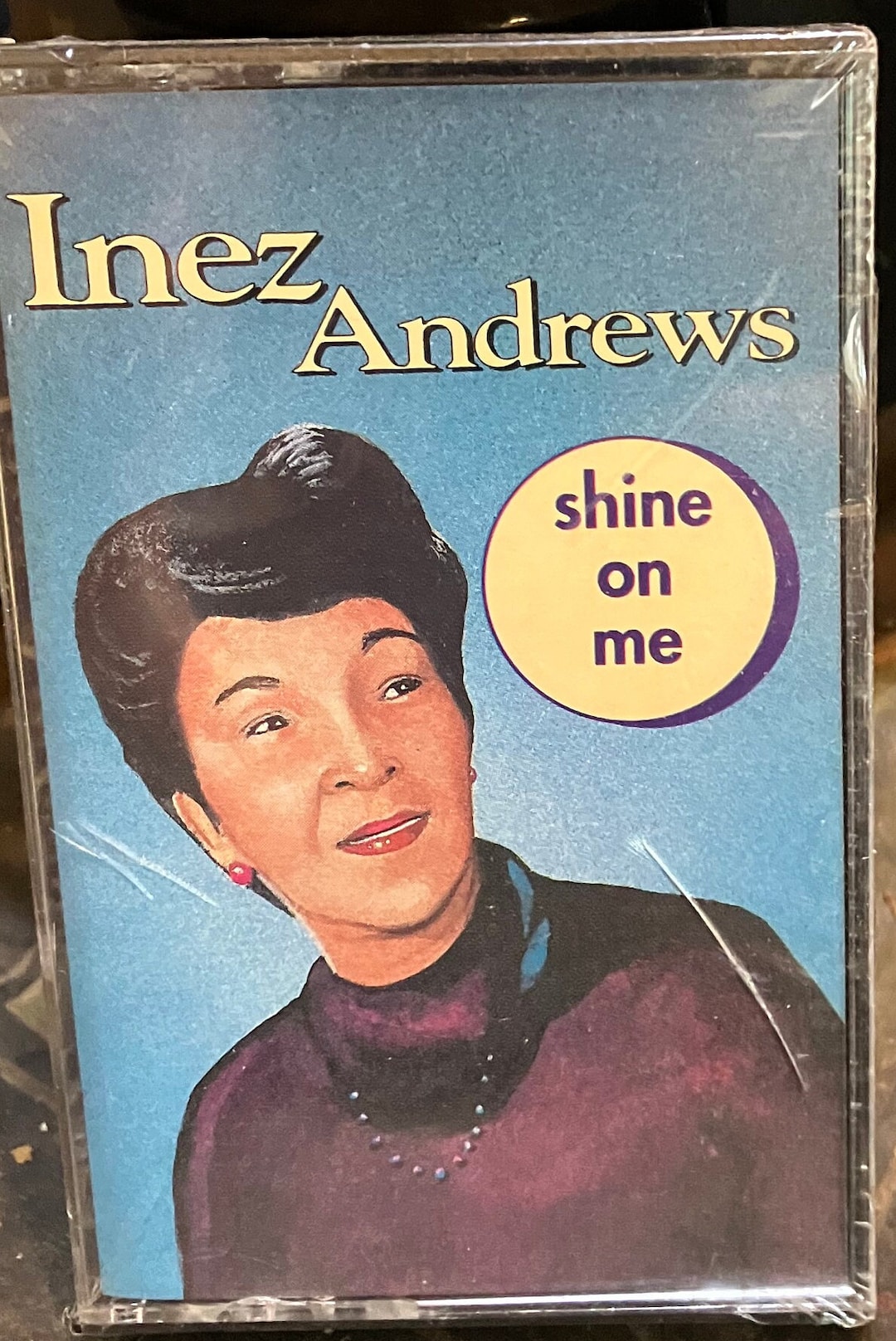
Inez Andrews was not just a singer; she was a songwriter and a performer whose presence commanded respect. Her delivery of the song "Mary Don't You Weep" remains one of the definitive recordings of the era. The success of The Caravans during this period was due in no small part to the collective vocal power of women like Andrews, who navigated the male-dominated gospel quartet industry to become stars in their own right.
Solo Success and "Mary Don't You Weep"
While she is often associated with the group dynamic, Andrews’ solo career is equally significant. Her signature song, "Mary Don't You Weep," became a gospel standard. The song’s popularity was so immense that it transcended religious circles, finding its way into the repertoires of secular artists and becoming an anthem of endurance.
In the 1970s and 80s, Andrews continued to record and tour, maintaining a strong following. She represented the transition between the traditional, stripped-back gospel of the early 20th century and the more contemporary, sophisticated arrangements that would come to dominate the genre by the late 1980s. Her dedication to the music remained steadfast, even as the industry shifted toward more commercialized sounds.
Historical Context of the Gospel Greats
To understand the impact of Inez Andrews, one must consider the historical context in which she operated. The mid-century gospel movement was closely tied to the Civil Rights Movement. Gospel music provided a soundtrack of resilience and hope for the Black community during a period of intense social struggle. Singers like Andrews were more than entertainers; they were community leaders who provided emotional and spiritual fortification through their artistry.
| Key Milestone | Period/Year | Significance |
|---|---|---|
| Birth | 1929 | Began her journey in Birmingham, Alabama. |
| Joining The Caravans | 1950s | Became a foundational voice in the gospel ensemble. |
| "Mary Don't You Weep" | 1960s | Recorded her signature, career-defining gospel standard. |
| Retirement/Late Career | 1990s-2000s | Continued to be honored as a pioneer of the genre. |
| Passing | 2012 | Died at age 83, leaving a profound musical legacy. |
The Challenges and Triumphs of a Gospel Pioneer
Being a woman in the gospel industry during the mid-20th century presented numerous challenges. Most early gospel quartets were male-dominated, and it took immense talent and tenacity for female ensembles like The Caravans to gain national recognition. Andrews’ ability to carve out a niche for herself and influence the trajectory of the genre is a testament to her technical skill and persistence.
Her vocal technique—a blend of raw, shouting power and nuanced, soulful storytelling—became a blueprint for many singers who followed. It is frequently noted by gospel historians that without the influence of the Caravans, the development of modern gospel and, by extension, soul music, would have looked significantly different.
Frequently Asked Questions
What was Inez Andrews most famous for? Inez Andrews is most famous for being a member of the legendary gospel group The Caravans and for her iconic performance of the song "Mary Don't You Weep." She was known for her raspy, deeply emotive vocal style that influenced a generation of gospel and soul singers.
Did Inez Andrews have a long career? Yes. She began performing in the late 1940s and continued to record and tour for several decades. Her career spanned from the golden age of gospel in the 1950s to her final years of activity in the early 2010s, making her one of the most enduring figures in the industry.
Why is Inez Andrews considered a pioneer? She is considered a pioneer because she helped break the gender barriers in the gospel quartet industry. Her work with The Caravans brought a new level of professional polish and emotional intensity to the genre, setting the stage for the massive success gospel music enjoyed in the latter half of the 20th century.
Where did Inez Andrews pass away? Inez Andrews passed away in Chicago, Illinois. Chicago was the hub for the gospel music movement during the mid-20th century, serving as the home base for many of the era's most significant performers, including the artists associated with The Caravans.
How did Inez Andrews’ music affect future generations? Her technical approach to singing—often referred to as a "gritty" or "raspy" gospel style—became a foundational element for soul and R&B vocalists. By bridging the gap between sacred gospel music and secular soul music, she allowed her influence to permeate mainstream popular music far beyond the church walls.
Legacy and Final Reflection
The death of Inez Andrews in 2012 left a void in the gospel community, but her recordings serve as a permanent archive of her talent. For those interested in studying the history of gospel music, her body of work serves as a primary resource for understanding the evolution of the genre.
When looking back at her life in 2026, it is clear that her contributions were not merely historical footnotes. They are active, living components of a musical tradition that continues to shape current gospel performance. For researchers, music students, or fans of the genre, the best way to honor her legacy is to explore the extensive discography of The Caravans and her solo projects, which provide a masterclass in vocal expression and storytelling.
If you are just beginning to explore her work, start with her early recordings with The Caravans. They offer the most direct insight into the energy and innovation that characterized the golden age of gospel music. Her commitment to the craft and her ability to evoke deep emotion through song remain the standard by which contemporary gospel artists are often measured.
Image Gallery