Professional Mold Remediation in McHenry: Comprehensive Guide for 2026
Professional mold remediation in McHenry requires a systematic approach to identifying moisture sources, containing fungal spores, and removing contaminated materials according to IICRC S520 standards. Residents should prioritize certi...
Professional mold remediation in McHenry requires a systematic approach to identifying moisture sources, containing fungal spores, and removing contaminated materials according to IICRC S520 standards. Residents should prioritize certified contractors who utilize HEPA filtration and antimicrobial treatments to ensure long-term indoor air quality and structural integrity in the Fox River Valley climate.
Contents
The presence of mold in a home or business is more than a cosmetic issue; it is a signal of underlying moisture problems that can compromise the structural integrity of a building and the health of its occupants. In McHenry, Illinois, the combination of seasonal humidity, proximity to the Fox River, and aging infrastructure makes mold a recurring challenge for property owners. As we move through 2026, the technologies and protocols for addressing these issues have become more sophisticated, emphasizing source moisture control over mere surface cleaning.
The Unique Mold Challenges in McHenry, Illinois
McHenry’s geographic location creates specific environmental stressors that contribute to indoor mold growth. Properties near the Fox River or the Chain O' Lakes often contend with higher water tables and localized flooding, which can lead to persistent basement dampness. Furthermore, the Northern Illinois climate features significant temperature swings, leading to condensation issues in attics and crawl spaces during the transition from frigid winters to humid summers.
In many older McHenry neighborhoods, homes may lack modern vapor barriers or have outdated drainage systems. These factors, combined with the high humidity levels typical of the region, create an ideal breeding ground for various fungal species. Understanding these local factors is the first step in a successful remediation strategy, as it allows for a more targeted approach to moisture management.
Identifying the Need for Remediation
Recognizing the signs of a mold infestation early can significantly reduce the scope and cost of remediation. Mold is not always visible; it often thrives in hidden cavities behind drywall, under flooring, or within HVAC systems.
Visible Indicators
Visible mold can appear as discoloration in shades of black, green, gray, or even white. In McHenry homes, this is frequently seen along baseboards in basements, on the undersides of roof decking in attics, or around window sills where condensation accumulates. If you see "fuzzy" or "slimy" growth covering more than 10 square feet, professional intervention is strongly recommended by the Environmental Protection Agency (EPA).
Olfactory and Health Signs
A persistent "musty" or "earthy" odor is often the most reliable indicator of hidden mold. This smell is caused by microbial volatile organic compounds (mVOCs) released during the mold's metabolic process. Additionally, occupants may experience "Sick Building Syndrome" symptoms, such as unexplained headaches, respiratory irritation, or exacerbated asthma, which often improve when the individual leaves the premises.
The Professional Mold Remediation Process
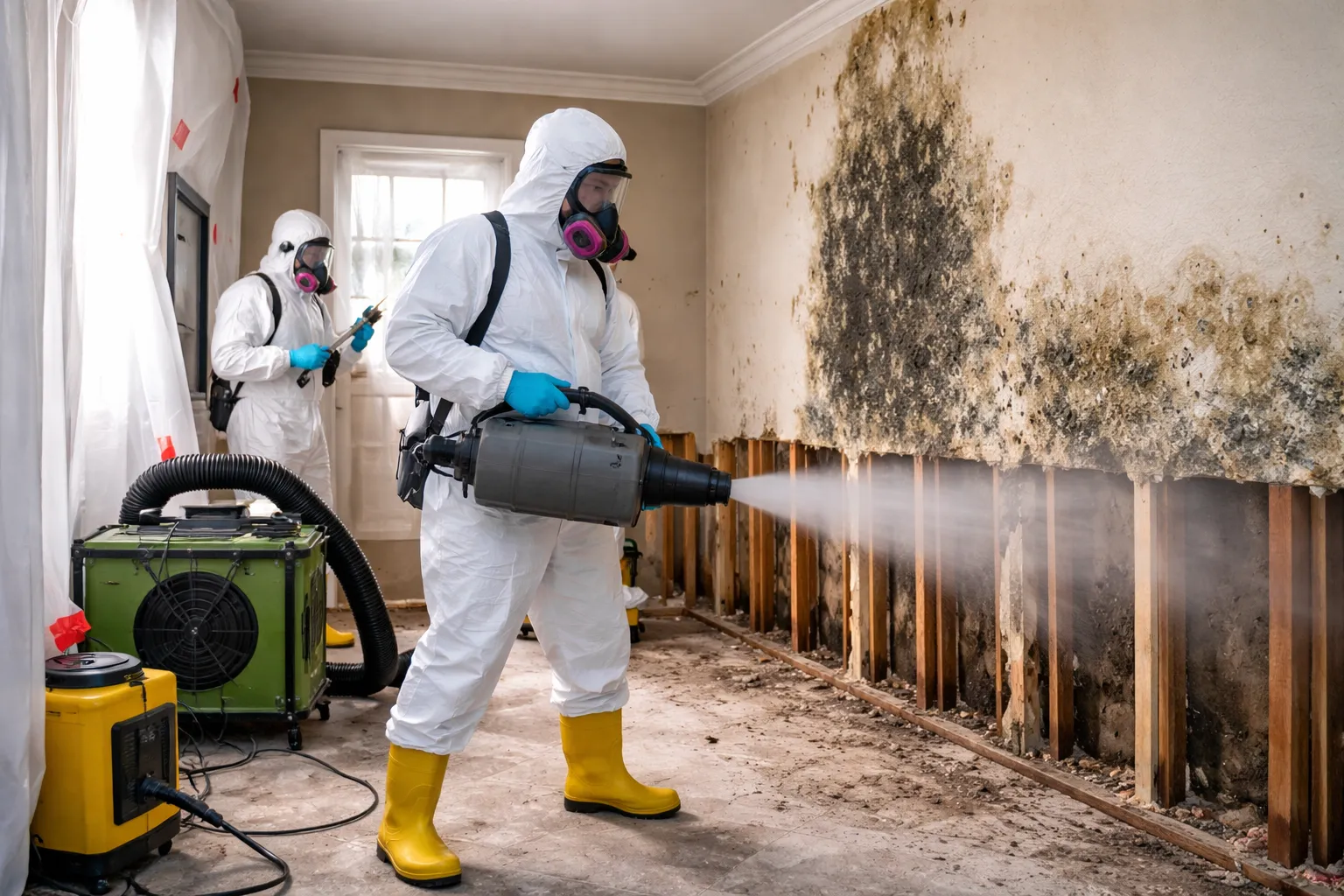
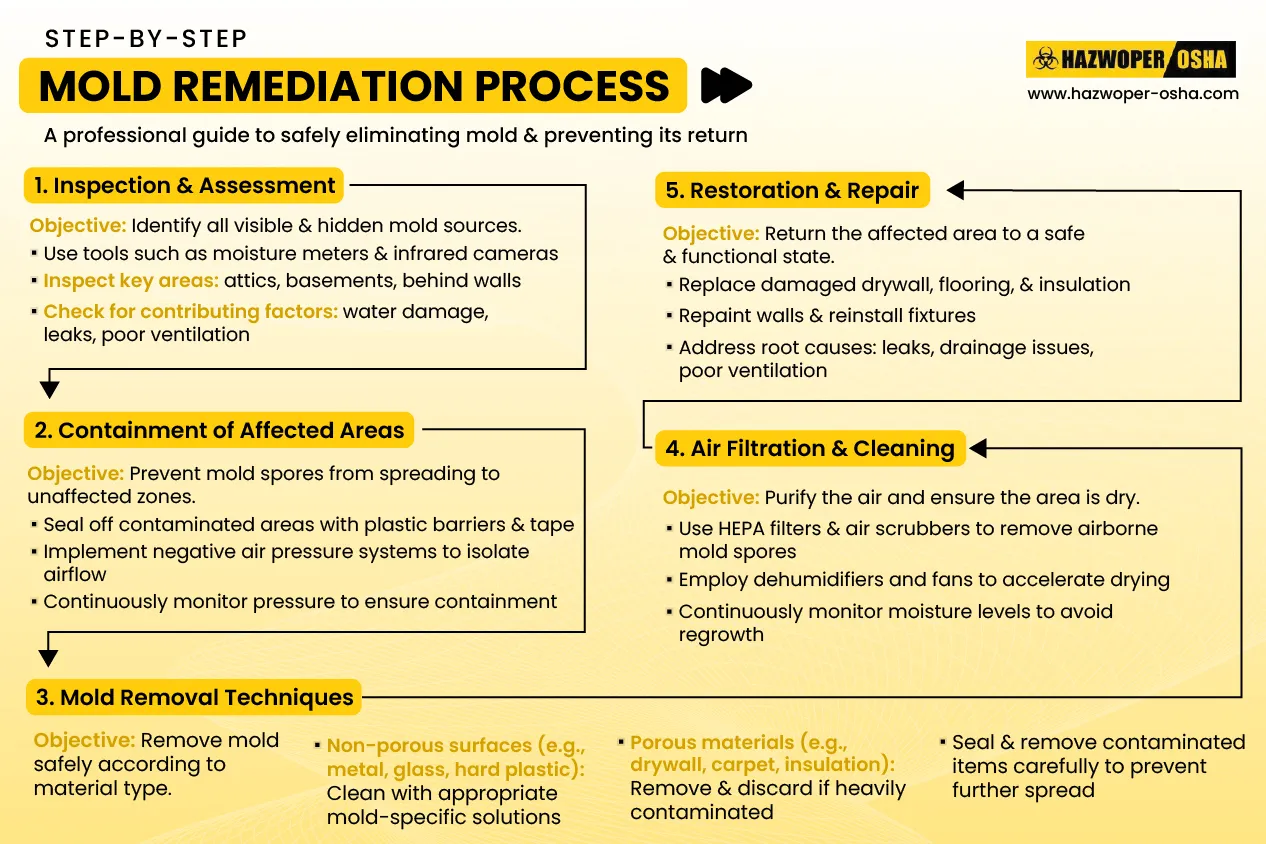
Professional remediation is a rigorous technical process designed to remove mold while preventing cross-contamination to unaffected areas of the property. In 2026, the industry continues to follow the standards set by the Institute of Inspection Cleaning and Restoration Certification (IICRC).
1. Initial Assessment and Moisture Mapping
The first step is a thorough inspection using thermal imaging cameras and moisture meters. Technicians map out the "moisture footprint" to identify the leak or humidity source that allowed the mold to grow. Without fixing the water problem, any remediation effort will eventually fail.
2. Containment and Negative Air Pressure
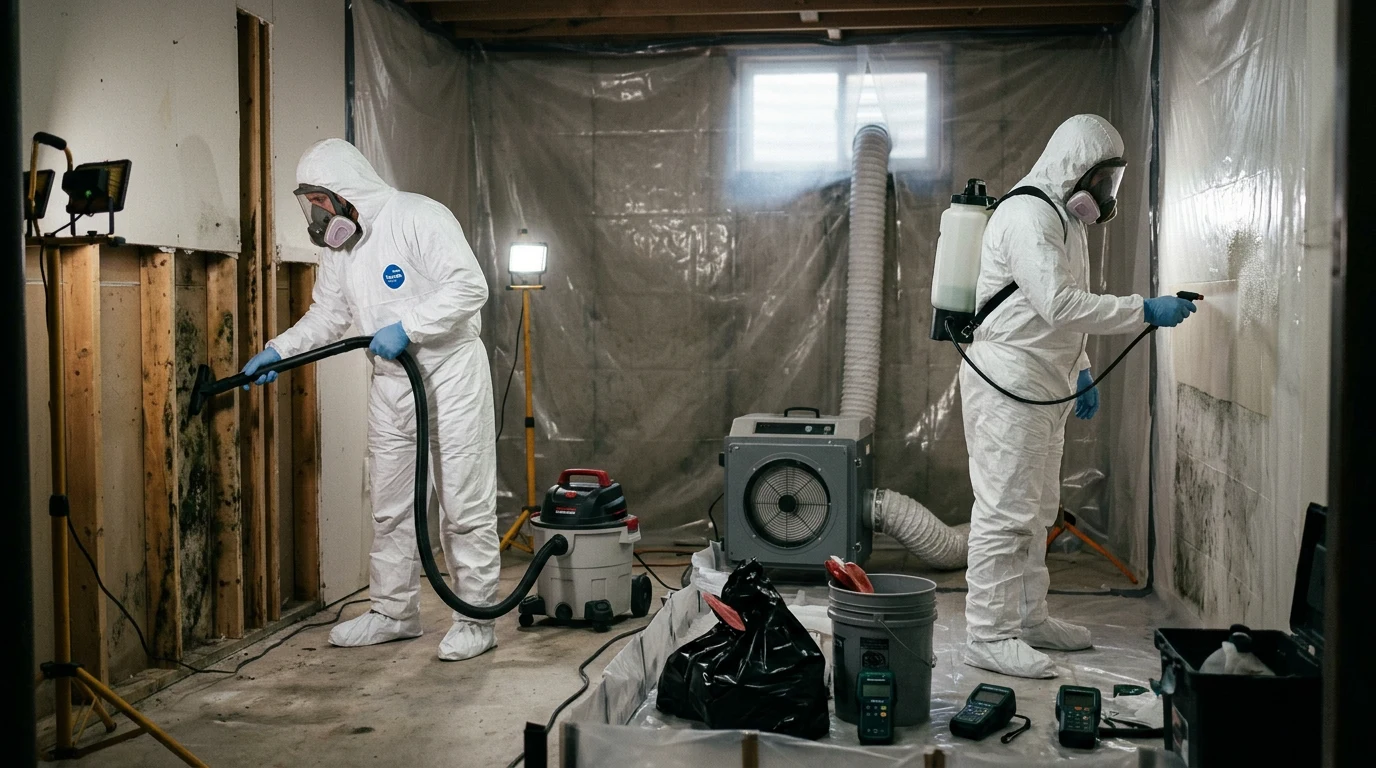
Before any cleaning begins, the affected area must be isolated. Professionals use 6-mil polyethylene sheeting to create "critical barriers" over doorways and vents. High-efficiency particulate air (HEPA) air scrubbers are then used to create negative air pressure. This ensures that when moldy materials are disturbed, the airborne spores are captured by filters rather than drifting into other rooms.
3. Removal of Contaminated Materials
Mold removal is categorized by the type of surface involved:
- Porous Materials: Drywall, insulation, and carpeting that have significant mold growth usually cannot be cleaned and must be carefully bagged and removed.
- Semi-Porous Materials: Items like wood framing can often be saved through specialized cleaning, such as HEPA vacuuming and "media blasting" (using dry ice or soda) to remove deep-seated hyphae (mold roots).
- Non-Porous Materials: Metal, glass, and most plastics can typically be cleaned and disinfected using antimicrobial solutions.
4. HEPA Vacuuming and Antimicrobial Treatment
Once the bulk of the mold is removed, all surfaces within the containment zone undergo a detailed HEPA vacuuming. This is followed by a "wet wipe" using EPA-registered antimicrobial biocides. These chemicals are designed to kill any remaining fungal spores and inhibit future growth.
5. Final Clearance and Restoration
After the area has dried completely, a post-remediation verification (PRV) or "clearance test" may be performed by an independent third party. This involves air and surface sampling to ensure spore counts are within acceptable levels. Once cleared, the "build-back" phase begins, where new drywall, flooring, and paint are installed to return the property to its original state.
Estimated Costs of Mold Remediation in McHenry (2026)
Costs can vary widely based on the location of the mold, the extent of the damage, and the difficulty of access. The following table provides estimated price ranges for common remediation projects in the McHenry County area.
| Project Scope | Estimated Cost Range (2026) | Typical Duration | Key Factors |
|---|---|---|---|
| Small Bathroom/Closet | $1,200 – $2,500 | 1–2 Days | Source of leak, vanity removal. |
| Standard Attic | $3,500 – $7,000 | 2–4 Days | Roof pitch, insulation type, venting. |
| Basement (Localized) | $2,000 – $4,500 | 2–3 Days | Foundation type, storage volume. |
| Full Crawl Space | $4,000 – $9,000 | 3–5 Days | Accessibility, encapsulation needs. |
| Whole-House Remediation | $10,000 – $30,000+ | 7–14 Days | HVAC involvement, structural damage. |
Note: These figures represent remediation costs only and may not include the price of structural repairs or material replacement (build-back).
Why DIY Mold Removal is Often Counterproductive
Many homeowners in McHenry attempt to solve mold issues using bleach or over-the-counter sprays. This is often ineffective for several reasons:
- Bleach Limitations: Bleach is mostly water. While it may kill surface mold on non-porous items, the water component can soak into porous materials like wood or drywall, actually feeding the mold roots (hyphae) and encouraging them to grow deeper.
- Aerosolization: Scrubbing mold without proper containment and negative air pressure releases millions of spores into the air. These spores then settle throughout the house, often leading to new outbreaks weeks later in different rooms.
- Safety Risks: Mold exposure during cleaning can lead to acute respiratory distress. Professional technicians wear full-face respirators and Tyvek suits to mitigate these risks—equipment most homeowners do not possess or know how to use correctly.
Choosing a Qualified Remediation Contractor
Since Illinois does not currently require a specific state-level license for mold remediation (unlike some other states), the burden of vetting falls on the property owner. When hiring a contractor in the McHenry area, look for the following credentials:
- IICRC Certification: Specifically, the Applied Microbial Remediation Technician (AMRT) designation.
- Insurance Coverage: Ensure the company carries both General Liability and specific Pollution/Mold Insurance. Standard liability policies often exclude mold-related claims.
- Local Reputation: Look for companies with a physical presence in McHenry County and positive reviews from local residents.
- Detailed Proposals: A professional quote should break down the specific steps of containment, removal, and cleaning rather than providing a single lump-sum figure.
Preventing Future Mold Growth in McHenry
Remediation is only a temporary fix if the environmental conditions that caused the mold remain unchanged. Given the local climate, McHenry residents should consider the following preventative measures:
- Maintain Humidity Levels: Keep indoor relative humidity between 30% and 50%. In McHenry’s humid summers, this requires high-capacity dehumidifiers, particularly in basements.
- Improve Attic Ventilation: Many attic mold issues in Northern Illinois result from poor airflow. Ensure soffit vents are not blocked by insulation and that ridge vents are functioning.
- Sump Pump Maintenance: Given the proximity to the Fox River, ensuring your sump pump has a battery backup is critical for preventing basement flooding and subsequent mold growth.
- Grading and Gutters: Ensure that the ground around your foundation slopes away from the house and that gutters are clear of debris to prevent water from pooling against the basement walls.
Frequently Asked Questions
Is mold remediation covered by homeowners insurance?
In many cases, mold remediation is only covered if it is the result of a "covered peril," such as a sudden pipe burst. It is rarely covered if the mold resulted from long-term neglect, high humidity, or ground-water flooding (unless you have specific flood insurance). Review your policy's "fungi" or "mold" endorsement for specific limits.
How long does the remediation process typically take?
A standard residential project in McHenry usually takes between 3 and 5 days. This includes setup, the actual cleaning/removal, and the necessary drying time before containment is removed. Larger commercial projects or those requiring extensive structural repairs may take longer.
Can I stay in my home during the remediation?
If the mold is confined to a specific area like an attic or a sealed-off basement, you can usually stay in the home. However, if the HVAC system is contaminated or if the mold is widespread throughout living areas, temporary relocation is often recommended for safety and comfort.
Is "Black Mold" more dangerous than other types?
While Stachybotrys chartarum (often called black mold) is known for producing mycotoxins, many other types of mold can also cause health issues. The color of the mold is not a definitive indicator of its toxicity. Any indoor mold growth should be treated with the same level of caution regardless of its color.
What is the difference between mold testing and mold remediation?
Mold testing (or assessment) is the process of identifying the type and concentration of mold spores present. Remediation is the physical act of removing the mold. For ethical reasons, it is often best to have an independent professional perform the initial testing and the final clearance testing to avoid a conflict of interest.
Practical Next Steps for McHenry Residents
If you suspect mold in your McHenry property, your first action should be to identify and stop the source of water. Whether it is a leaky pipe, a roof leak, or basement seepage, the moisture must be controlled immediately. Once the leak is stopped, contact a certified remediation professional to assess the damage. Avoid disturbing the mold yourself, as this can lead to spore dispersal. In the McHenry area, local resources such as the McHenry County Department of Health can provide general guidance on indoor air quality, though they do not typically perform private remediations.
Image Gallery